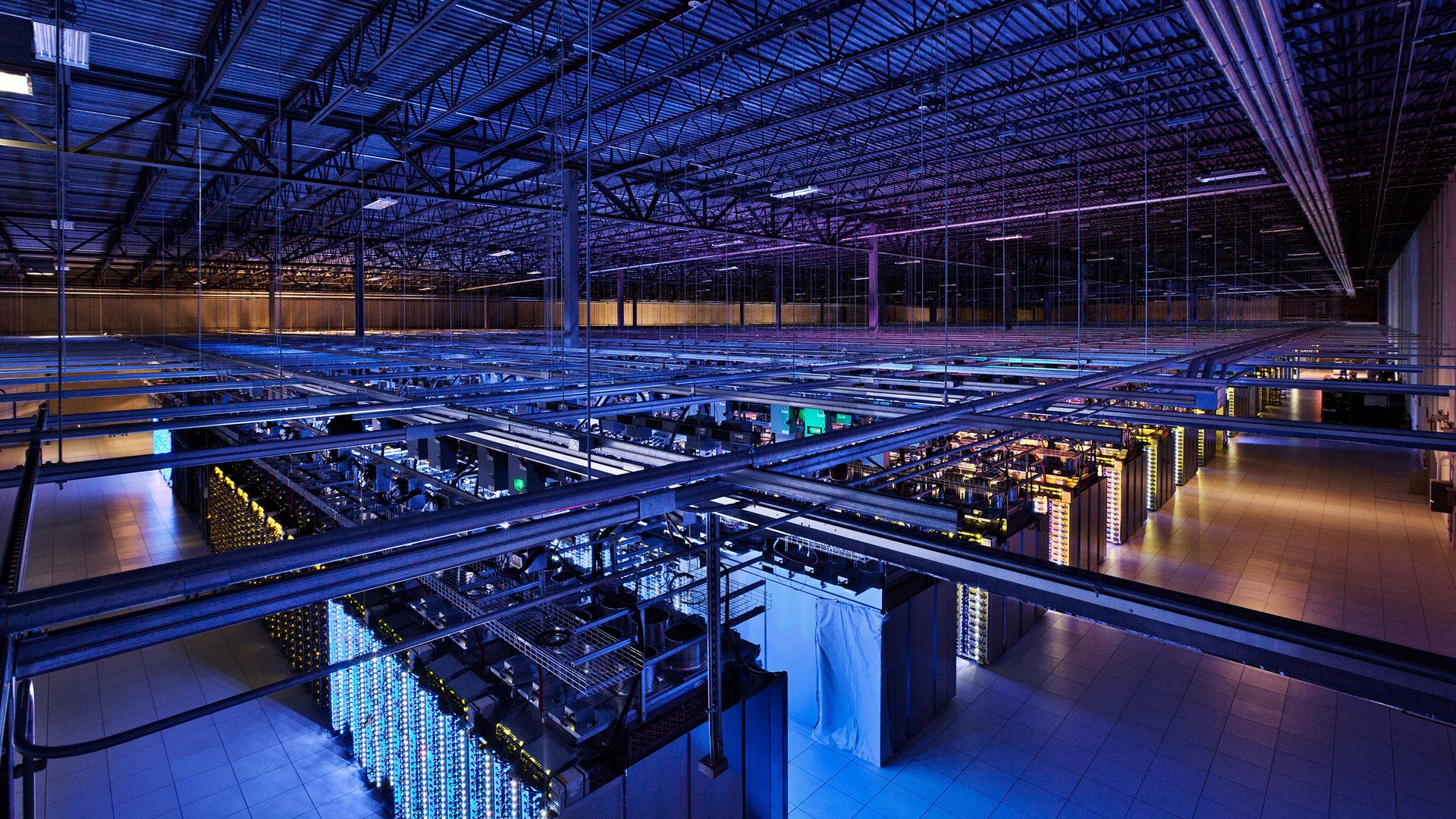
Lenders behind SpaceX’s record bond sale sought protection against the possibility that the company could one day send their collateral into orbit, according to people familiar with the matter. The concern centers on advanced Nvidia chips financed through the deal, which SpaceX has said it plans to use in data centers on Earth. Lenders worried that if the group later launched the semiconductors into space, they would be unable to repossess and sell the chips if SpaceX defaulted.
It is unclear whether that restriction made it into the final documents. The bonds were sold through a special purpose vehicle intended to keep the debt off SpaceX’s balance sheet and protect its investment-grade credit rating. The covenant question underscored the legal uncertainty around SpaceX’s ambitions to build space-based data centers, an asset class investors are only beginning to finance.
SpaceX sold more than $30 billion of debt to large investors on Thursday under a financing package called “Project Saturn.” The biggest piece was a $25 billion investment-grade bond backed by SpaceX’s five-year lease payments for the Nvidia chips. The debt priced at 3.45 percentage points over US Treasuries, for a total yield of about 8.3 percent, while SpaceX corporate debt maturing in 2031 traded at roughly 7.2 percent on Thursday.
The new bonds mature in 2032, but principal will be repaid in under four years, a structure meant to lower credit risk for lenders. More than $19 billion had secured commitments before Thursday, including $4 billion from Pimco. Apollo and Goldman Sachs led the transaction; both declined to comment, as did Pimco. SpaceX did not respond to a request for comment.
BlackRock, Goldman Sachs Asset Management and KKR funds have made anchor commitments, according to SpaceX. Moody’s, which rated the debt A3, one notch above SpaceX’s own rating, said in a report that SpaceX plans to use the chips in US data centers it majority-owns, controls and operates. KBRA rated the debt A-minus. The agencies partly credited “hell-or-high-water” lease clauses that bar SpaceX from walking away.
Grant Nachman, chief investment officer at Shorecliff Asset Management, said the GPU deal appears cleverly structured and should draw a wide range of buyers, potentially including insurance capital seeking yield on investment-grade debt. He said the transaction could signal future issuances of its kind.
More hardware news from TechManNews.