Owners of Nvidia GeForce RTX 20, 30 and 40-series graphics cards on Windows can now remove the company's tensor performance limiter from a bootable USB drive, using an open-source project called nv-uefi-unlocker. The tool, also described as a UEFI pre-driver NVIDIA GPU unlocker, previously worked mainly through manually installed Linux modules, with Windows support considered experimental. A release now lets the unlock run entirely from USB on both Windows and Linux. The change matters most in the US, where the large installed base of GeForce desktop and laptop cards stands to gain the most from a single tool.
The unlocker uses the community V67 payload with read-back verification to trick Nvidia's signed Booter firmware into releasing the write lock on two speed-selector registers, which allows the tensor units to run at full rate. Read-back verification makes the process safer than the earlier experimental builds. The download contains only scripts and self-built binaries, with no Nvidia firmware included. One script fetches Nvidia's public 610.43.03 driver packages, verifies them and rebuilds the firmware files locally. The project credits Zagitta's gpu-unlock as its porting source and builds on the RTX 40 fork gpu-unlock-ada and an earlier Windows EFI tool.
Users download the release, run the script, then copy the rebuilt files and a BOOTX64.EFI to a FAT32-formatted USB stick. The unlocker runs from a one-time boot menu after confirmation with the spacebar within 30 seconds, then hands off to the operating system loader. Because it runs before the OS loads Nvidia's GPU driver, no video BIOS flashing or driver modification is needed. The unlock does not survive power loss, so it must be repeated at every boot.
The system must boot in UEFI mode with Secure Boot either disabled or set to trust a self-signed EFI. A developer team member said on Reddit that the tool cannot bypass a game anti-cheat requirement for Secure Boot. RTX 20 owners must run a bundled script once to switch the Windows Nvidia driver into GSP firmware mode, then restart. On laptops, the discrete GPU must be powered at entry, so dGPU-only or MUX mode is recommended; on Linux distributions such as Ubuntu, runtime power management can power down an idle GPU and silently erase the unlock, and the English FAQ lists workarounds.
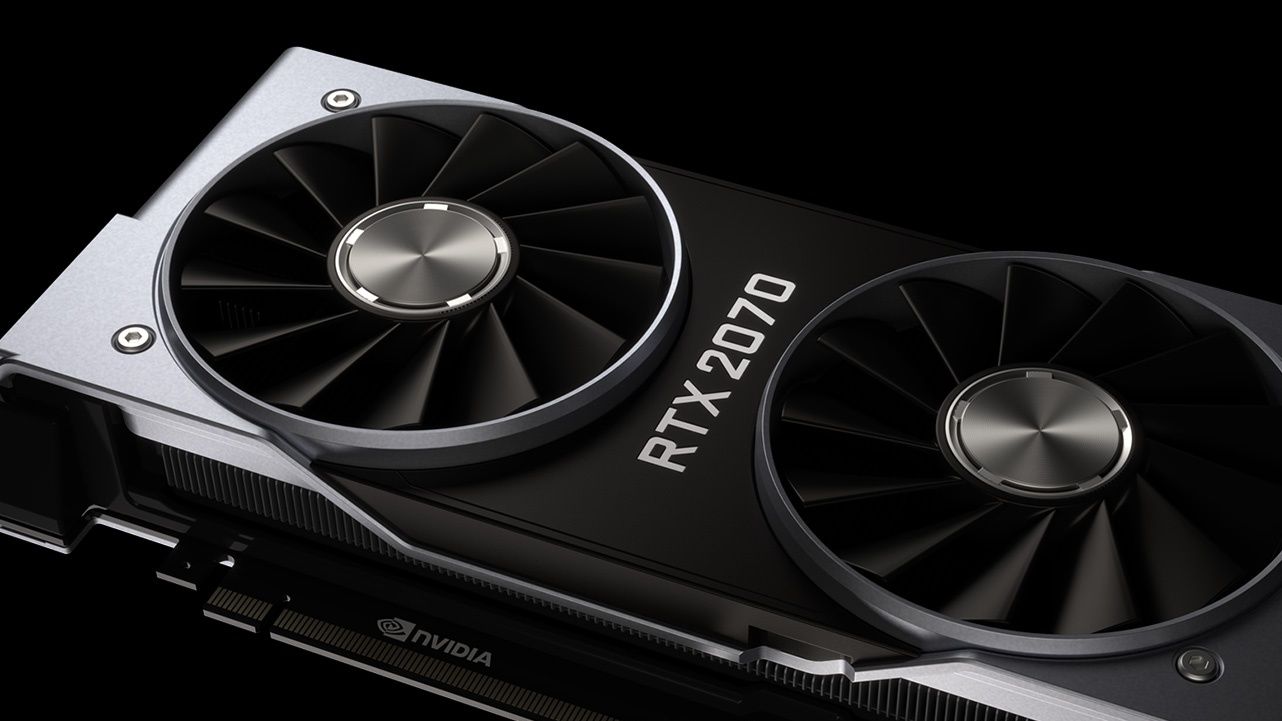
RTX 20-series support is listed as fully compatible with some models having known issues, RTX 30-series as fully compatible, and RTX 40-series as fully compatible on laptops and desktops. The GTX 16 is called theoretically compatible pending verification, while pre-Turing, GA100 and RTX 50-series cards are unsupported. Windows-verified cards include the RTX 4090, 4080, 4070 Ti Super, 4070 Super, 4070, 4060 Ti 8GB and 16GB, 4060 Laptop and 4050 Laptop. The developer's desktop RTX 2070 rose from about 34 TFLOPS to around 62 TFLOPS in FP16 matrix multiply at 8192. The RTX 2080, 2080 Ti and 2080 Super fail at boot or handoff, and the RTX 2080 and 2080 Ti are under review with no dates promised.
Zagitta says in the gpu-unlock FAQ that they do not run Windows and do not plan to maintain it, pointing Windows users to a separate port and warning them to be careful with unofficial installers. Results depend on power and thermal limits; the project says the unlock can be combined with the nvoc power-limit unlock but warns this can exceed factory power and thermal envelopes. A per-card ROM hash check required by the project's own safety rules is not built yet, and persistence on Thunderbolt eGPUs is not guaranteed. The team says a boot-from-disk toggle is in the works and that RTX 50-series cards carry a lot more security than anticipated.
More software news from TechManNews.