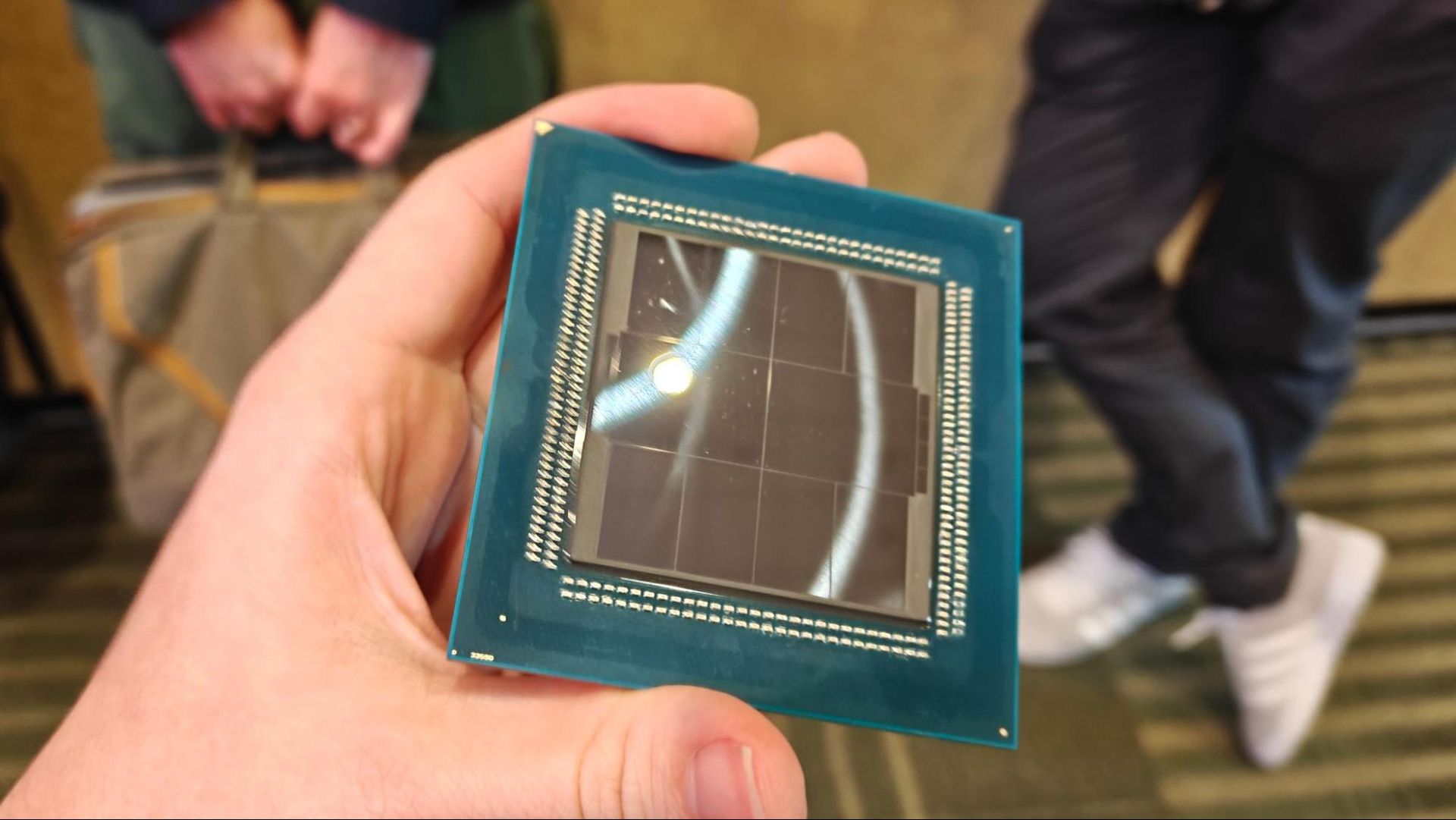
Intel’s budget-focused Wildcat Lake chips are sold out, the company said during its latest earnings call, as demand from laptop buyers continues to exceed what Intel can produce. The shortage affects US shoppers looking for lower-cost Windows laptops, a category where the chips have been turning up in new machines.
CEO Lip-Bu Tan said demand for Wildcat Lake “is outstripping supply,” according to remarks on the call. CFO David Zinsner went further, saying the chips are now sold out entirely. Zinsner described significant growth for Wildcat Lake and said its arrival is well timed because the product is cost-optimized, a focus he said the company is seeing a lot of.
The chips have been appearing in new lower-cost Windows laptops positioned on par with the MacBook Neo, including the new Dell XPS 13 and the HP Omnibook 5 14. Those Wildcat Lake laptops carry budget-friendly starting prices, but they often ship with just 8GB of RAM, an amount Windows laptops can struggle to get by on.
Intel does not expect the broader memory shortage to ease soon. Asked about memory supply, Zinsner said the company is not optimistic about next year in terms of memory. He said Intel expects no improvement in 2027 and that it will have to see in 2028 whether things get better. That outlook is more optimistic than SK Hynix’s prediction that the RAM shortage will drag on through 2030.
Tan also acknowledged a slowdown in PC demand. He said the industry continues to navigate one of the most significant supply shortages in history, driven by unprecedented demand for super intelligence, referring to AI. Zinsner said during the call that Intel does think the PC is going to go through a renaissance despite the shortage.
The comments came as shortages of RAM and other components have driven up PC prices over recent months. For US consumers, the combination of sold-out budget chips and rising memory costs bears directly on how affordable entry-level Windows laptops remain in the near term.
Wildcat Lake’s sellout places Intel’s cost-optimized line at the center of the company’s earnings discussion, even as its executives declined to project improvement in memory supply before 2028 at the earliest.
More hardware news from TechManNews.