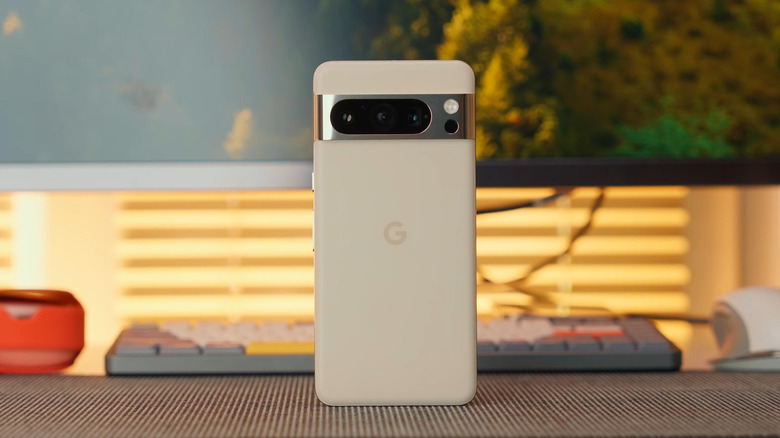
Google's software support commitment to its Pixel phones varies widely by model, and owners of older devices face the end of the line within months. The company begins the update window for each Pixel in the month it first went on sale through the Google Store website in the United States. That detail matters because support deadlines are tied to release dates rather than calendar years.
Every Pixel from the original model through the Pixel 5a is now obsolete and no longer receives updates. Phones in the Pixel 6 and Pixel 7 families, along with the original Pixel Fold, were promised five years of coverage from their on-sale month. The Pixel 6 and 6 Pro are reaching the end of that support in October 2026, while the Pixel 7 and 7 Pro will get their final update by the end of October 2027. The a-series follows a different release cadence, so the Pixel 6a loses support after July 2027 and the Pixel 7a after May 2028.
Google changed its approach with the Pixel 8, which launched in 2023. Starting with that generation, Pixel phones are guaranteed seven years of software updates, covering both routine security patches and major OS upgrades. The company's pledge went further than Samsung's 2019 commitment of three years of major OS updates for lower-end Galaxy devices and seven years for select flagships, a significant shift for Android phones that historically lost value quickly when support ended.
Under the seven-year policy, the Pixel 8 and 8 Pro will stop receiving updates after October 2030. The Pixel 9 and 9 Pro, released in August and September 2024, follow after those months in 2031. The 2025 Pixel 10 and 10 Pro end support after August 2032, and the new Pixel 11 and 11 Pro after August 2033. In the a-series, the Pixel 8a, released in May 2024, expires after May 2031; the Pixel 9a, which shipped in April 2025 after a March announcement, after April 2032; and the Pixel 10a around March 2033.
Once Google stops issuing updates, owners have limited ways to keep a phone secure. Continuing to use a device with its final software version leaves it exposed to security risks, since monthly security patches stop and newly discovered flaws go unfixed. The practical options are buying a new phone or upgrading to a model that still receives security updates.
Custom software offers only partial relief. Whether a user installs a full-scale operating system with a locked bootloader such as GrapheneOS or a ROM with an unlocked bootloader such as LineageOS, updates from those projects do not draw on original equipment manufacturer firmware, kernel and vendor code. LineageOS remains the most widely supported option for users who do not prioritize hardened security, and it still supports the original Pixel from 2016 along with nearly every Pixel since. On a deprecated Pixel, it delivers security patches for the Linux kernel and framework, but that covers only some of the risks.
More gadget news from TechManNews.