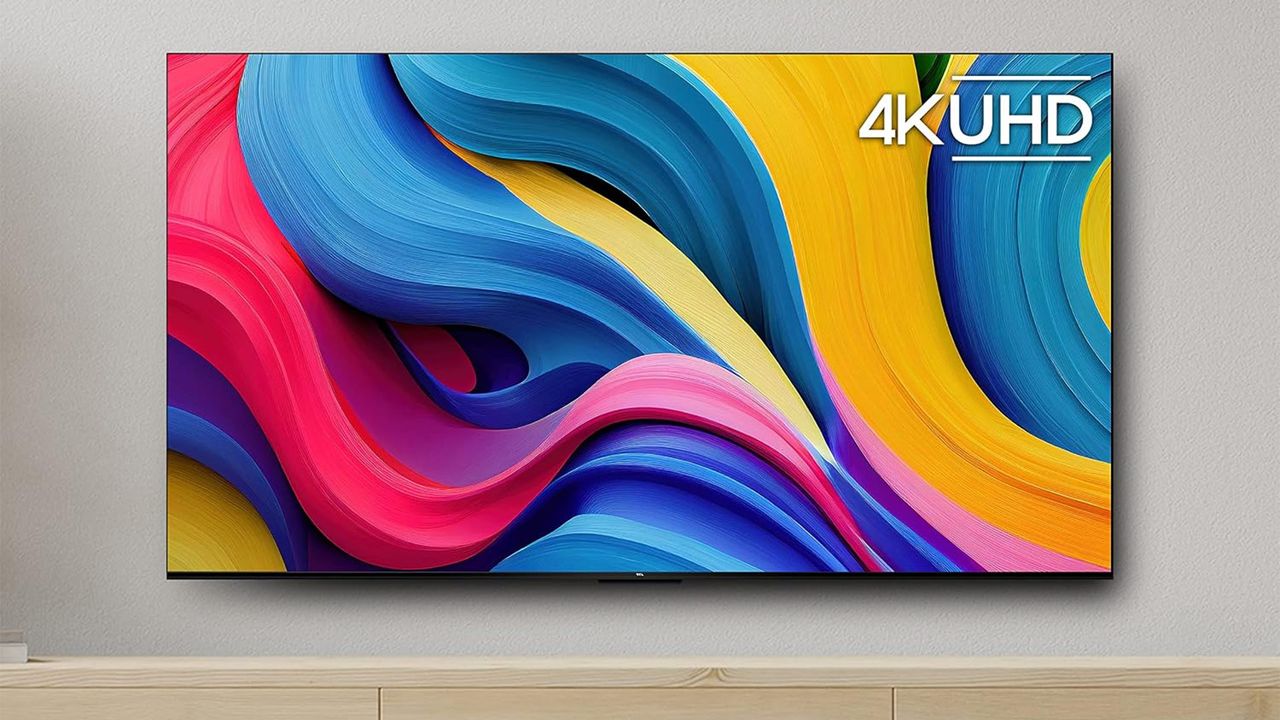
An artificial intelligence engineer has used an autonomous coding tool to strip down an Android smart TV, claiming the device now performs better than it did when it was new. The developer, identified as Cobanov, posted about the project on X, explaining that he enabled developer options on the television and instructed the AI, named Claude Code, to connect through ADB and debloat the system. According to his account, the agent took control of the TV without root access, deactivated unwanted applications, installed a replacement launcher called FLauncher, and shortened animation durations. The result, he stated, was that the four-year-old TV now runs smoother than its original out-of-box state, calling the improvement unbelievable.
Cobanov also published a how-to guide online that outlines the process in four straightforward steps. The guide includes the full text of the prompt he used to direct the AI agent, allowing others to copy or modify it for their own devices. The approach relies on the agent disabling components rather than deleting them entirely. Cobanov emphasized that nothing is uninstalled during the operation, meaning every change can be reversed. He noted that the agent keeps a record of everything it disabled, so a simple instruction to reactivate all disabled items restores the previous state, and instructions are provided for restoring individual apps as well.
The project highlights a common frustration among smart TV owners in the United States and elsewhere. Television manufacturers frequently ship models with modest processors, limited RAM, and slow storage, which can become more sluggish after app updates and operating system patches over time. This performance degradation often pushes consumers toward external streaming hardware such as set-top boxes and HDMI sticks from Amazon’s Fire TV product family. However, adding those devices introduces extra complexity, additional remotes, and a more fragmented user experience, which many users find undesirable.
The source article includes a video of the AI agent working on the television, alongside a warning that the process carries risks if not followed carefully. Cobanov advises that anyone attempting the debloating procedure should pay close attention to the guide’s instructions to avoid unwanted outcomes. The developer’s demonstration adds to ongoing discussion about the capabilities of autonomous AI tools for practical system administration tasks, extending beyond typical development environments into consumer electronics management.
For American consumers, the appeal lies in the potential to extend the useful life of existing smart TVs without purchasing additional hardware or performing invasive modifications that would void warranties. The no-root requirement is particularly significant, as it lowers the technical barrier for average users who may be wary of jailbreaking or other permanent system changes. The availability of a reversible, prompt-driven process could make this a viable option for households experiencing slowdowns on aging televisions.
Cobanov’s work appears to have originated from a personal morning experiment, inspired by the laggardly performance of his own TV. The resulting guide and code represent a practical application of AI autonomy, where the software not only executes commands but also makes decisions about which applications and settings to adjust. While the source article does not provide network performance benchmarks or comparative testing data, the developer’s assertion of a smoother experience has drawn attention within tech communities. The project’s documentation encourages interested users to review the process themselves, with the full prompt available for replication.
More software news from TechManNews.