The operating system is no longer just the layer that runs software. It is now the layer where AI capability and AI risk both arrive, and the recent stories logged on this beat show the same pattern three times over. ClosedQuorum turns Windows into a platform for autonomous attack decisions, Siri AI reaches iOS 27 with a waitlist, and Xbox mode reshapes the Windows shell for gaming. In each case, an AI-driven change is delivered to the OS ahead of the controls, access, or stability that users and defenders would expect to accompany it.
The OS as Accidental AI Host
ClosedQuorum matters because of where it lives. As BleepingComputer reported, the malware runs on Windows and uses Google Gemini, DeepSeek, Qwen, and Mistral AI models to autonomously determine what to do during the post-compromise stages of an attack. This is not a new exploit class or a new Windows vulnerability. It is an AI decision layer bolted onto an already successful intrusion, turning a compromised Windows machine into a host for outsourced attack logic.
The operating system consequence is direct. A Windows endpoint compromised by ClosedQuorum is not simply relaying commands from a distant server. It is consulting models to choose actions, which makes the endpoint's behavior harder to characterise with the signature-based and heuristic tools that Windows security has relied on. The models named in the BleepingComputer report are not exotic; they are widely available commercial and open services. The barrier to giving malware an AI brain has collapsed to an API call, and Windows, as the dominant business desktop, is where that collapse is most consequential for US enterprises.
Capability Ships Before Access
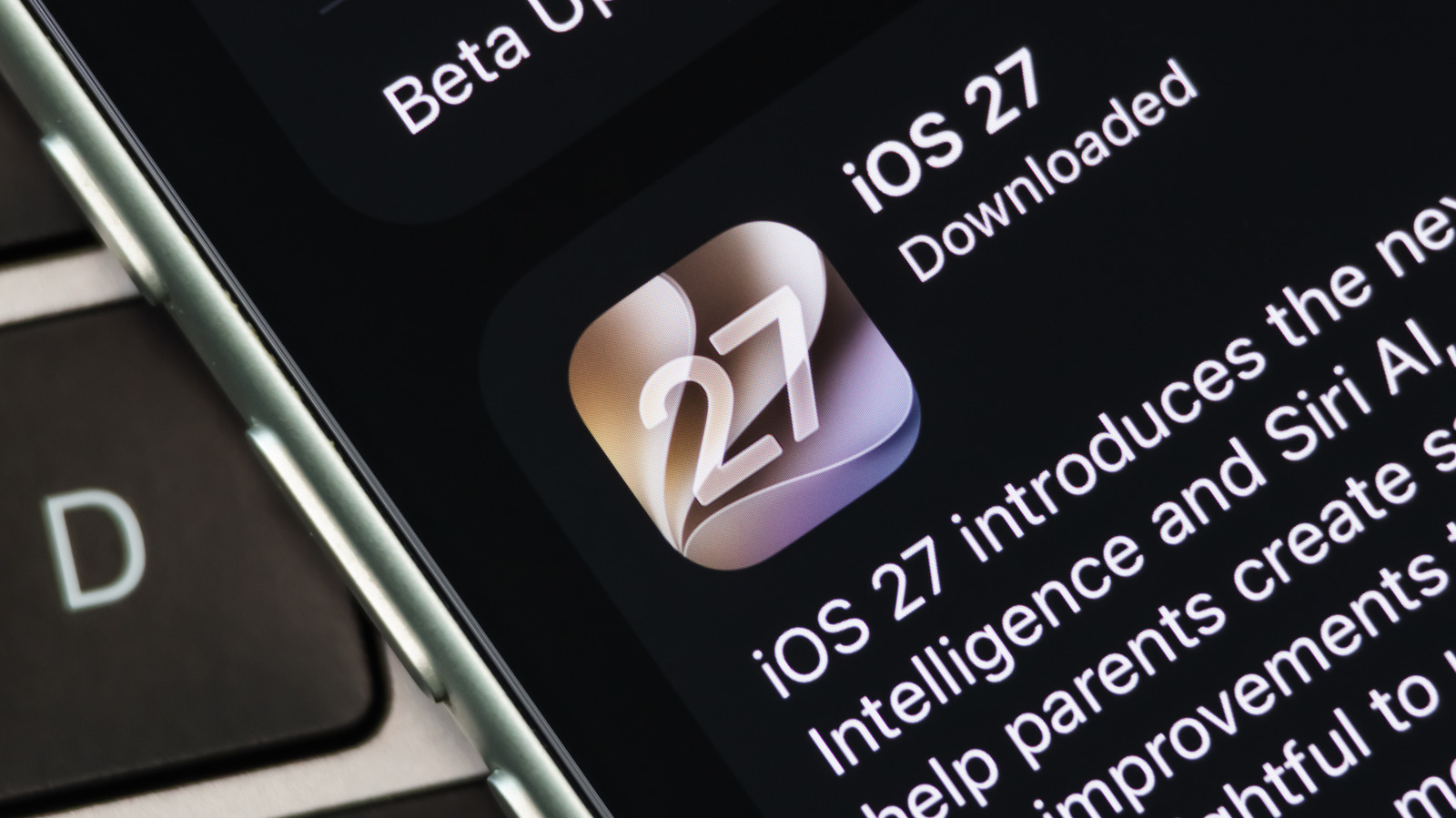
The second story points at a different kind of gap. Siri AI brings a lot of improvements in iOS 27, but as Engadget reported, users may not be able to use it for a while even with iOS 27 and a compatible device. The feature exists in the release; the access does not.
This is a delivery pattern, not a marketing one. Apple ships the OS to everyone and the AI capability to a waitlist, which means the operating system's advertised identity and its actual behaviour diverge at the moment of release. For US consumers, the practical result is a device that is capable of something it will not do yet, with no clear date attached. For Apple, the waitlist is a way to stage capacity and risk across a very large installed base. Either way, the OS release is no longer the moment a feature becomes real. It is the moment a feature becomes possible.
The Shell Is Being Reworked in Place
The third story is the quietest and the most telling. Xbox mode on Windows, as Engadget described it, works like Big Picture Mode, providing a gaming-friendly interface that works with a controller. This is not a new operating system. It is a new front end layered onto the existing one, changing how Windows presents itself depending on what the user is doing.
Taken with the Siri AI waitlist and ClosedQuorum, the pattern becomes clear. The Windows and iOS experiences in 2026 are not fixed targets that ship and then sit still. They are continuously reshaped: by AI features arriving in stages, by shell modes that change the interface, and by malicious code that repurposes the same platform for its own decisions. The operating system has become a surface that multiple parties edit after release.