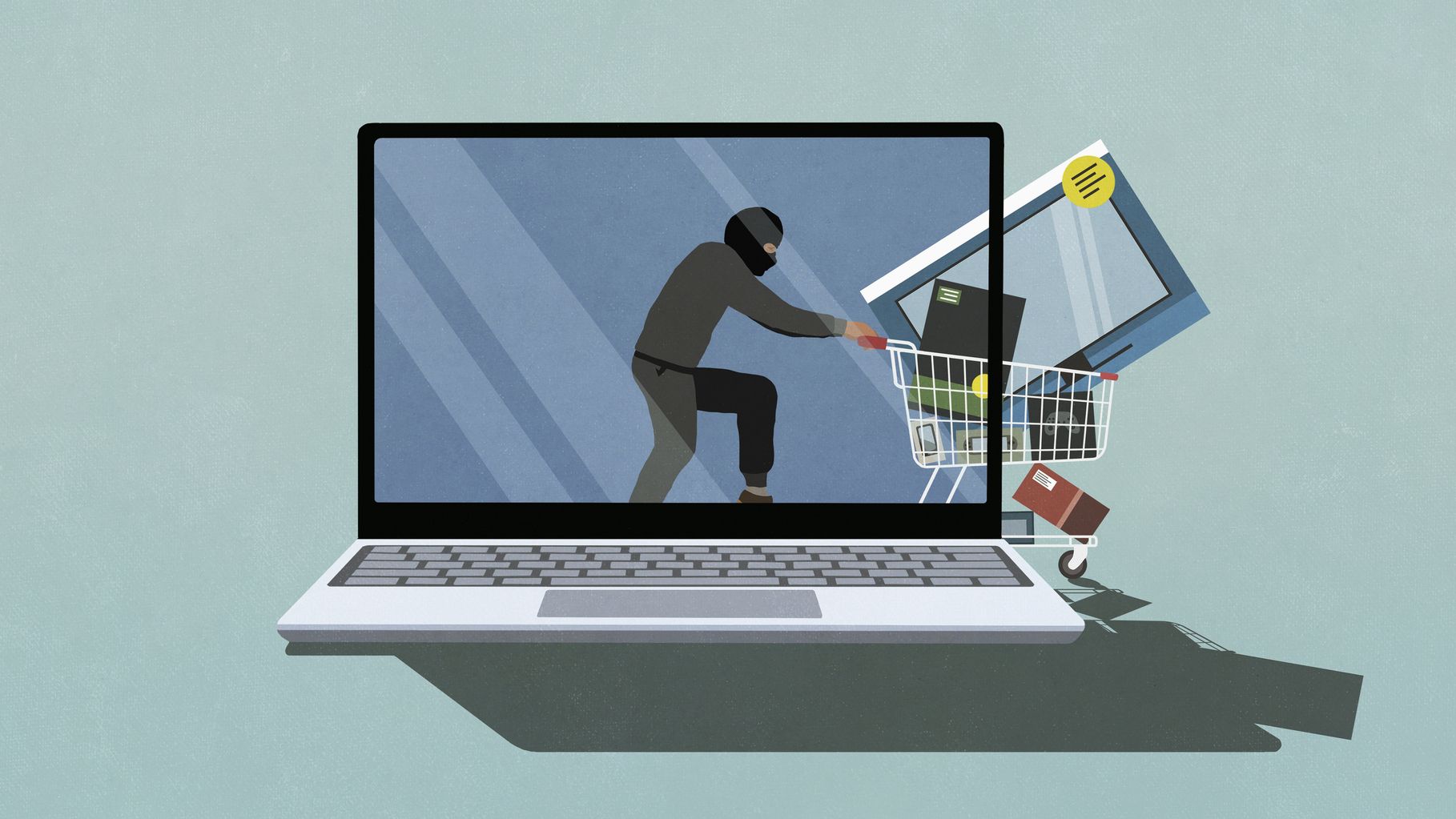
The recent run of security news points to a single shift: attackers are no longer primarily breaking systems, they are borrowing the trust those systems have already earned. The incidents logged this week span a hardware vendor's storefront, a macOS malware family, and email invitations that look like Evite or Paperless Post notes, and they share a common method. Each one works by routing an attack through a platform, brand, or social ritual that users have already decided is safe.
The Infrastructure Held
Start with what did not break. Asus confirmed a breach of its eShop that exposed customer order records and contact details, according to Tom's Hardware. Payment data was not affected. That detail matters because it describes a specific class of loss: not credentials that can be reissued like a credit card number, but the durable record of who a customer is, what they bought, and how to reach them. Asus warned customers about targeted phishing as a result. The company's own disclosure concedes the point of the attack, which is that the stolen material is most valuable as raw material for a second, more convincing approach.
That pattern is not unique to retail. It is becoming the default shape of consumer-facing breaches. The perimeter holds long enough to keep the most sensitive transactional data out of reach, and what leaks instead is the material needed to impersonate the company convincingly. For US consumers, the practical consequence is that the phishing email arriving after a breach is often the more dangerous event, because it can reference a real order and a real address.
Trusted Channels as Delivery Mechanisms
The MacSync malware variant reported by BleepingComputer shows the same logic applied to software. The malware now uses public iCloud calendar events to deliver new native payloads. Nothing about iCloud's calendar service is broken in the conventional sense; it is a legitimate, widely trusted channel doing what it was designed to do. That is precisely what makes it useful to an attacker. A calendar invite from a known service attracts less scrutiny than an executable downloaded from an unfamiliar domain, and it can be pushed to a device passively.
This is a meaningful change in how macOS threats arrive. Apple's platform has long benefited from the assumption that its curated ecosystem reduces the volume of malware reaching users. That assumption does not disappear here, but it narrows. The channel is trusted, the payload is native, and the user's role is largely passive. The defensive question shifts from whether a file is signed to whether an unexpected calendar entry should be able to trigger anything at all.
The Social Layer Is the Softest Target
The Wired story on party invitation phishing scams takes the same idea out of the technical stack entirely. Emails that look like Evite or Paperless Post invitations are being used to harvest data. The interesting observation in that reporting is not the mechanism but the response: for some recipients, these scams have become an excuse to reconnect with old friends or former romantic partners.
That is a striking detail about the current threat environment. The lure is not urgency, fear, or a fake invoice. It is nostalgia and the ordinary human willingness to open something that appears to come from someone who once mattered. No amount of endpoint hardening addresses that. The attack succeeds because the social convention of accepting an invitation is stronger than the habit of verifying a sender.
Why This Is an American Market Problem
These three stories describe a threat model that fits the US consumer market unusually well. American households spread their digital lives across a large number of branded services, and those brands function as proxies for security judgments. A recognizable retailer, a major cloud provider, a familiar invitation platform: each carries an implicit guarantee that the user does not have to think hard about what arrives through it.
That reliance is a market condition, not a user failing. It is also a competitive liability for US technology companies, because the damage from these incidents rarely stays with the breached party. Asus can disclose the breach and warn about phishing, but the phishing emails will carry its name. Apple can keep improving macOS defenses, but the calendar entry arrives through a service it operates. Evite and Paperless Post can tighten sender verification, but the invitation bearing their visual identity is what gets opened.