๐Ÿ“ฃ

Advertisement

Google Ad - 970ร—90 Leaderboard ย TOP_LEADERBOARD_4

Chipmakers Are Repricing the Gaming Customer Out of the Market

Photo: Tom's Hardware

Article

Chipmakers Are Repricing the Gaming Customer Out of the Market

Micron's GDDR7 shift, Snapdragon exclusivity abroad and AMD's export mess all point to one thing: the hobbyist and mainstream buyer is now a lower priority.

JaysuryaSeptember 24, 20265 min read
๐Ÿ“ฃ

Advertisement

Google Ad - 970ร—90 Leaderboard ย TOP_LEADERBOARD_4

The thread: the consumer is no longer the customer of record

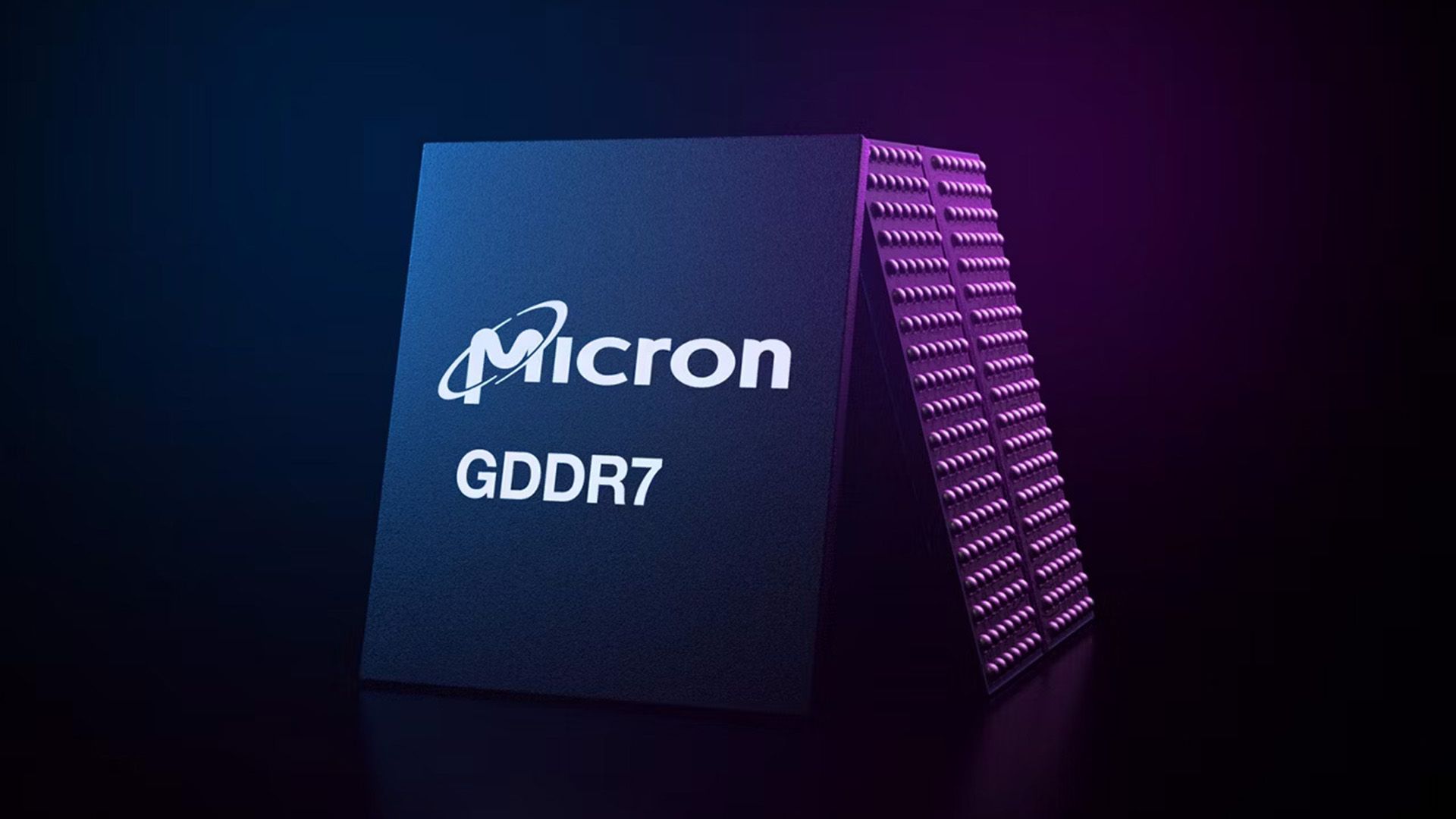
Three recent stories on this beat share a single logic. Micron is reportedly ending production of its 2GB GDDR7 chips and redirecting attention to higher-density 3GB parts aimed at professional and AI-focused GPUs, according to Tom's Hardware. Xiaomi's 18 Pro phones carry the latest Snapdragon chip but are not coming to buyers outside China for now, as Engadget reported. And a leading semiconductor analyst has accused AMD of "treason" over the availability of restricted chips in China, with AMD blaming diversion of an export-controlled RFSoC, per Tom's Hardware. Read together, they describe an industry that is quietly re-sorting who it serves, and the US consumer and US gaming buyer sit lower in that order than they did a few product cycles ago.

The mechanism is not mysterious. When one class of customer will pay nearly any price for density, bandwidth and supply certainty, and another class shops on a fixed budget, allocation follows the first. What looks like three unrelated headlines is really one repricing event, visible in memory, in mobile silicon and in export controls.

Memory gets re-sorted before gamers get served

The Micron story is the clearest signal. Discontinuing 2GB GDDR7 parts is not a technical retreat; it is a portfolio decision. The same wafer capacity and packaging slots that produce a 2GB chip can produce a 3GB chip, and the 3GB chip is wanted by professional and AI-focused GPU programs that are less price-sensitive than a gaming card lineup.

For US buyers, the near-term effect is not that graphics cards vanish. It is that the memory bill of materials inside them becomes harder to optimize downward. When the densest parts are the ones being prioritized, board makers lose the cheaper option they used to build mainstream tiers around. Historically that shows up as thinner mid-range product lines, longer gaps between refreshes at the affordable end, and higher memory configurations being pushed at customers who did not ask for them. Memory has been the quiet constraint on GPU pricing for several cycles now, and this decision concentrates the constraint at the low end rather than the high end.

It also matters for the US market specifically because GDDR7 supply for gaming is now dependent on decisions made for AI customers. That is a dependency US consumers cannot vote on, negotiate with or route around. They simply inherit the outcome.

Mobile silicon splits by geography

The Xiaomi story makes the same point on a different process node. The 18 Pro series has the latest Snapdragon chip, and it also has a Samsung-like privacy screen, per Engadget. But buyers outside China have to wait. That is not a supply accident so much as a sequencing decision: launch in the market where the platform relationship, regulatory environment and channel economics align, and let everyone else wait for the second wave.

For US consumers, this is a familiar pattern arriving more often. The newest mobile silicon appears first in a market the US is not part of, and the American version of the device arrives later, sometimes with different specifications. The Snapdragon platform is central to the US Android market, so a staggered global launch is not just a Chinese market curiosity. It is a preview of how US buyers get treated when allocation is tight and the launch calendar is optimized around something other than them.


Advertisement

๐Ÿ“ฃ

728x90

MID_CONTENT_2

Export controls turn chips into a liability question

The AMD story is the enforcement edge of the same shift. A top semiconductor analysis firm has accused the company of treason over the availability of restricted chips in China, and AMD attributes it to possible diversion of an export-controlled adaptable radio platform, as Tom's Hardware reported. The allegation is severe and contested, and the company's explanation is that a controlled part may have been diverted rather than sold deliberately.

That distinction matters enormously for US chipmakers, because it defines the compliance problem they now live with. A company can follow the rules at the point of sale and still be blamed for what happens to a part afterward. Radio-frequency and adaptable platforms are exactly the kind of dual-use silicon that is difficult to track once it leaves a warehouse. As a result, US firms are being asked to guarantee outcomes they do not fully control, and the reputational cost of a diversion can be far larger than the revenue from the sale.

For the US market, the practical consequence is a hardening of internal controls. More end-use vetting, narrower customer lists, slower fulfillment. That is friction that lands on legitimate customers too, including US ones, because compliance overhead is not free and gets priced into the product.

Why the three stories are one story

Each case shows a supplier choosing the highest-value destination for constrained silicon. Micron chooses density for professional and AI parts over gaming parts. Xiaomi's launch sequence chooses China first. AMD's controlled part allegedly found its way to a market the US government wanted it kept out of, whether by intent or diversion.

The common thread is that the marginal consumer has lost pricing power. In memory, the consumer is outbid by AI. In mobile, the consumer is outbid by launch-market priority. In export-controlled silicon, the consumer's needs are subordinate to a national-security framework that suppliers cannot ignore. None of these are conspiracies, and none of them require bad faith. They are what happens when the highest bidder for a scarce input is no longer the person buying a graphics card or a phone.

For US technology companies, the strategic read is uncomfortable. The AI and professional markets are where the margins are, but they are also where the concentration is. A supplier that has repriced its consumer line out of the way is more exposed to a single demand cycle, not less. And the export-control environment adds a second axis of risk that no amount of demand forecasting can offset.

What to watch

The next signals are concrete. Watch whether other memory makers follow Micron's lead on 2GB GDDR7 and how that shows up in the configuration mix of the next gaming GPU generation. Watch whether the Xiaomi 18 Pro's non-China availability date firms up, and whether the privacy screen feature survives the trip. Watch how the AMD matter develops, and specifically whether the diversion explanation is accepted or whether it becomes a template for how export-control cases are argued publicly.

One more thing worth tracking: whether US buyers start seeing the effects in configuration rather than price. When the cheapest memory density disappears, the first visible change is rarely a higher sticker. It is a product line that no longer has an entry point.

More on this beat: Hardware on TechManNews.

Advertisement

๐Ÿ“ฃ

728x90

IN_ARTICLE_5

#semiconductors#memory#export controls#gaming GPUs#mobile silicon#supply chain

Newsletter

Get Tech News in Your Inbox

The latest AI, gadgets, software and startup stories from TechManNews, delivered every morning - free.