๐Ÿ“ฃ

Advertisement

Google Ad - 970ร—90 Leaderboard ย TOP_LEADERBOARD_4

Acquisitions Beat Shows Buyers Hunting Small, Specific Targets
Article

Acquisitions Beat Shows Buyers Hunting Small, Specific Targets

Databricks, groundcover and Manus show dealmaking is tilting toward smaller, capability-specific targets rather than large transformative mergers.

HemeswariSeptember 24, 20264 min read

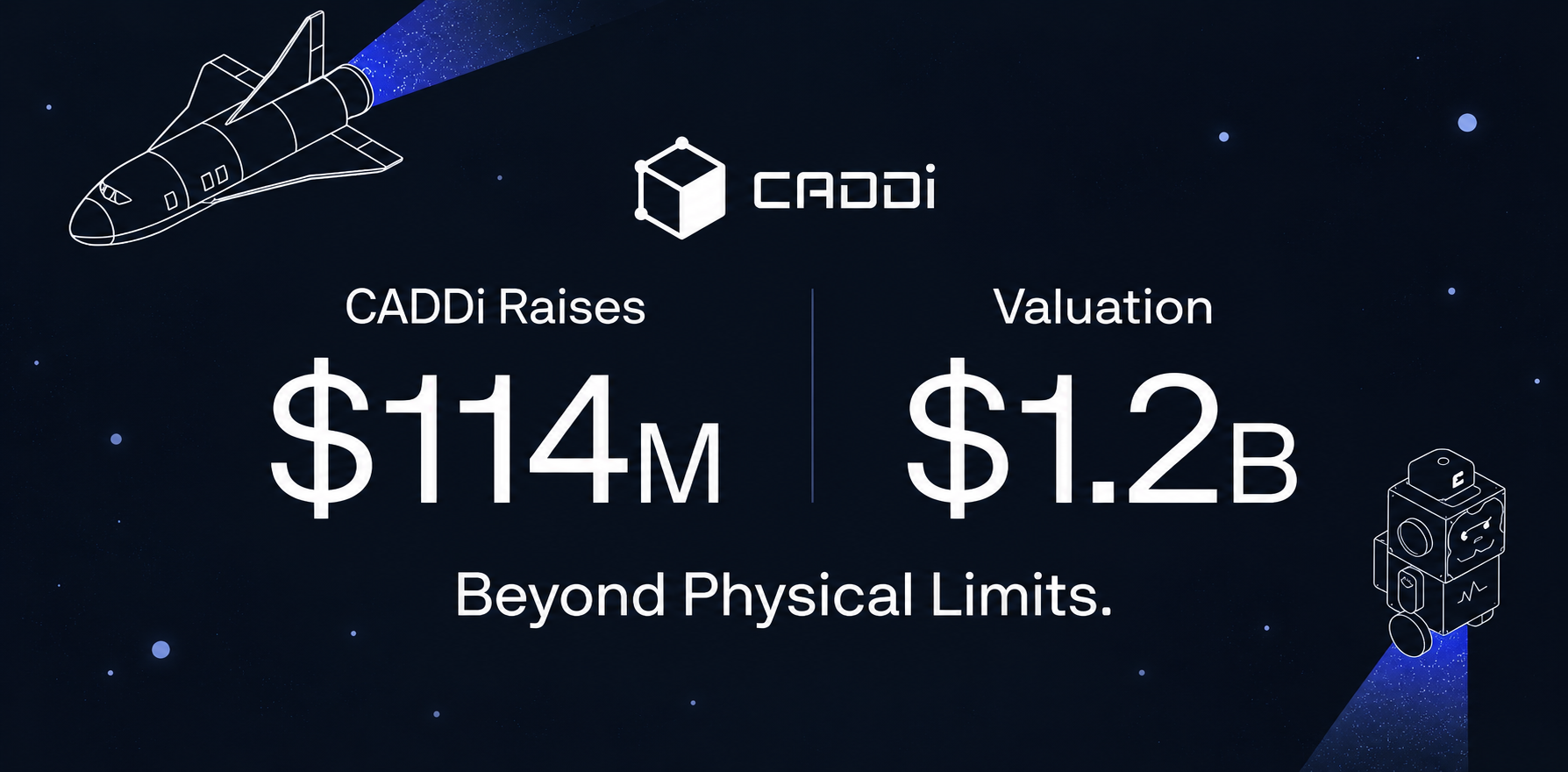
Photo: TechCrunch

๐Ÿ“ฃ

Advertisement

Google Ad - 970ร—90 Leaderboard ย TOP_LEADERBOARD_4

The thread: small, specific deals are doing the strategic work

The acquisitions and deals logged this week point to a single pattern: buyers are picking up narrow, capability-specific targets rather than attempting large transformative mergers. Databricks bought cloud spreadsheet startup Row Zero, groundcover acquired Kubernetes optimization startup Wand, and Manus is reported to be seeking a new valuation while resuming independent operations. In each case, the unit of strategy is a small team, a defined technical gap, or a balance-sheet reset rather than a headline-grabbing combination.

Buyers are filling defined gaps, not buying scale

Databricks' purchase of Row Zero, reported by TechCrunch, fits a buyer that has been steadily adding pieces rather than pursuing one defining deal. A cloud spreadsheet is not a platform in itself, but it is a working surface where data teams already spend time, and it sits adjacent to the analytics and data infrastructure Databricks sells. The logic is integration: acquire a small product, fold it into a broader stack, and deepen the reason customers stay.

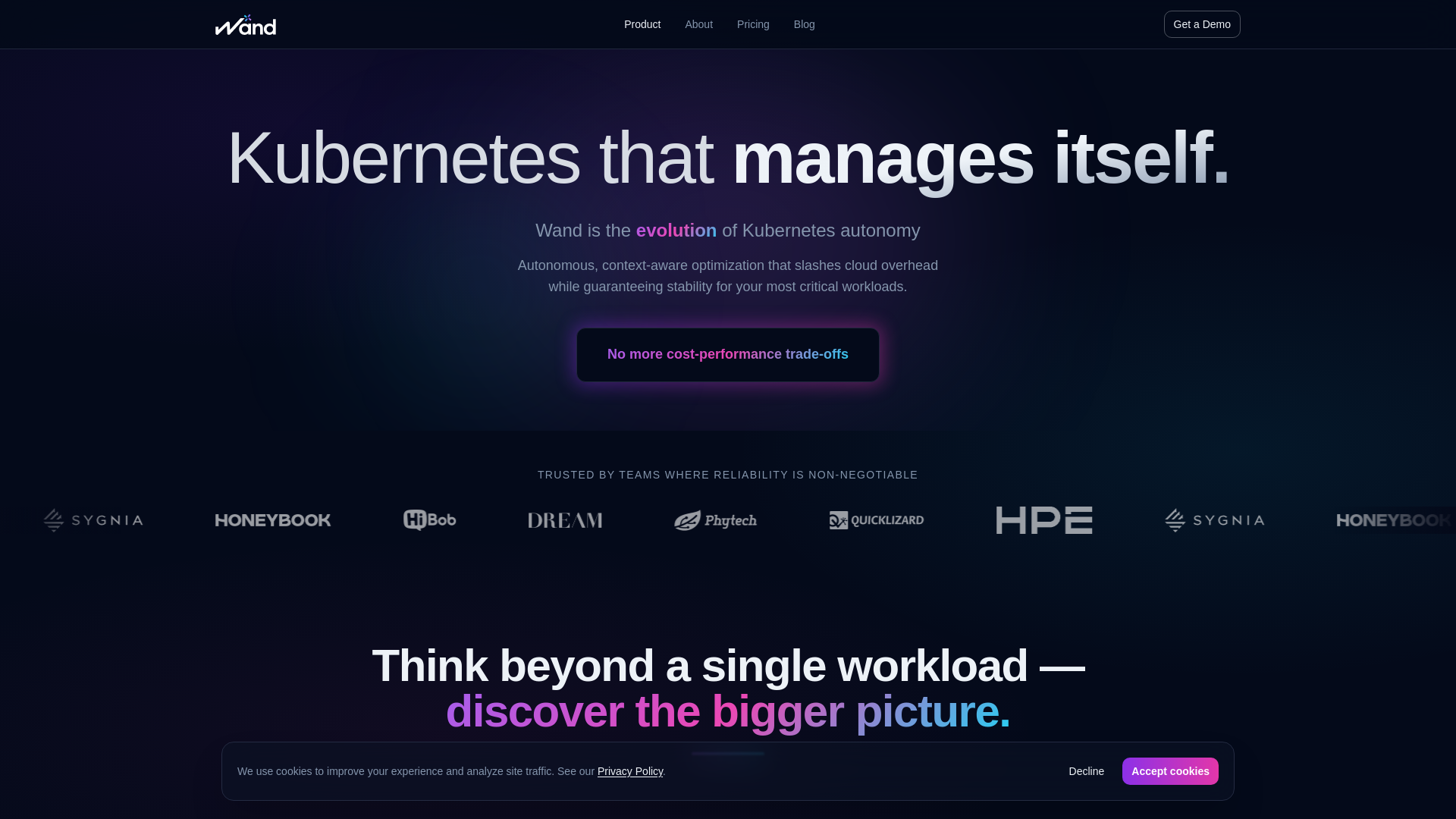
groundcover's first acquisition, disclosed by SiliconANGLE, follows the same shape. Wand Cloud Ltd. focuses on Kubernetes resource optimization, a defined operational problem. groundcover is an observability company, and the purchase is described as part of a push toward what it calls autonomous infrastructure, with software taking action rather than only reporting. That is a capability purchase, not a scale purchase. The Wand founders and employees are moving across, which means groundcover is buying expertise and a product line at the same time.

Both deals are small enough that neither price was disclosed or reported. That absence is itself informative. These are not transactions designed to move a public narrative on their own; they are designed to fill a gap that a roadmap would otherwise take years to close.

The mid-market reset is shaping the other side of the table

Manus offers the counterpoint. TechCrunch reported that the company is in discussions to raise $500 million at a $4 billion valuation, and that it is resuming independent operations after having to break off a merger with Meta earlier this year. That is a company that tried the large transformative route and is now pursuing a standalone path instead.

The pattern across all three stories is a market in which the large combination is harder to complete and the small acquisition is easier to justify. Manus moving from a scuttled merger to an independent raise suggests that for some companies, staying separate and raising capital is now the more viable option than being absorbed. Databricks and groundcover show the other half: for buyers, the accessible and defensible move is a targeted purchase that adds a specific capability without requiring a transformational integration.

Why this matters for US technology companies

For US technology companies, this pattern changes how corporate development teams are likely to be measured. A buyer that cannot close a large deal can still show progress by acquiring several small ones, each tied to a clear product or technical gap. That favors companies with disciplined integration capabilities over those that rely on a single headline transaction to signal strategy.

Advertisement

๐Ÿ“ฃ

728x90

MID_CONTENT_2

It also changes the calculus for founders. A company like Wand, with a defined technical niche, becomes a plausible acquisition target even without large scale, because the buyer wants the capability rather than the revenue. Founders who built toward a specific operational problem now have a more accessible exit path than those who built toward a broad platform.

For groundcover, the risk is integration. Buying a first company means building the muscle to absorb a team, a product, and a customer set without disrupting the core business. That muscle is not guaranteed, and it is the part of the pattern that is easiest to get wrong.

Why it matters for the US market and consumers

For the US market, a steady flow of small acquisitions can be healthier than a handful of large ones. Small deals are less likely to trigger extended regulatory review, which keeps capital moving and lets acquirers integrate quickly. That speed matters because the capabilities being bought, such as spreadsheet interfaces and Kubernetes optimization, feed directly into products that US businesses already use.

For US consumers and workers, the effect is indirect but real. When observability tools begin taking automated action on infrastructure, the reliability of the services people depend on is at stake. When a data platform absorbs a spreadsheet product, the tools analysts use at work change shape. These are not consumer-facing transactions, but they shape the software that sits underneath everyday services.

The Manus situation carries a different implication. A company resuming independent operations after a scuttled merger signals that the market still supports standalone raises at significant valuations, which keeps an alternative to consolidation alive for US startups. That matters for competition, because a market where every promising company is absorbed is a market with fewer independent players over time.

What to watch

Three things are worth tracking, all grounded in what the stories above actually say. First, whether Databricks continues its 2026 acquisition pace, which TechCrunch described as a shopping spree and noted the company is scouting for more startups to acquire. Second, whether groundcover follows its first acquisition with more, since the push toward autonomous infrastructure is a direction rather than a single product. Third, whether Manus completes the reported $500 million raise at a $4 billion valuation, which would confirm that independent paths remain viable after a failed merger.

The broader signal to monitor is pricing discipline. None of the deals reported here disclosed a price, which limits what can be concluded about valuation levels. Until more transactions include terms, the clearest read is structural: buyers are shopping for specific capabilities, and sellers with a defined niche are the ones being picked up.

Sources: TechCrunch, SiliconANGLE.

More on this beat: Companies on TechManNews.

Advertisement

๐Ÿ“ฃ

728x90

IN_ARTICLE_5

#acquisitions#databricks#groundcover#manus#venture capital#enterprise software

Newsletter

Get Tech News in Your Inbox

The latest AI, gadgets, software and startup stories from TechManNews, delivered every morning - free.