The hardware news this week describes a single structural shift: the computing supply chain is dividing into two tiers that no longer move at the same speed. At one end, a small group of firms is racing ahead on memory, interconnect and process technology, and at the other, a larger group is repackaging older capability for cost-sensitive buyers. The gap between those tiers is now wide enough to show up in a Chinese GPU review, a Linux driver patch, a Volkswagen infotainment screen and a Meta subsea cable.
The Leader Tier Keeps Accelerating
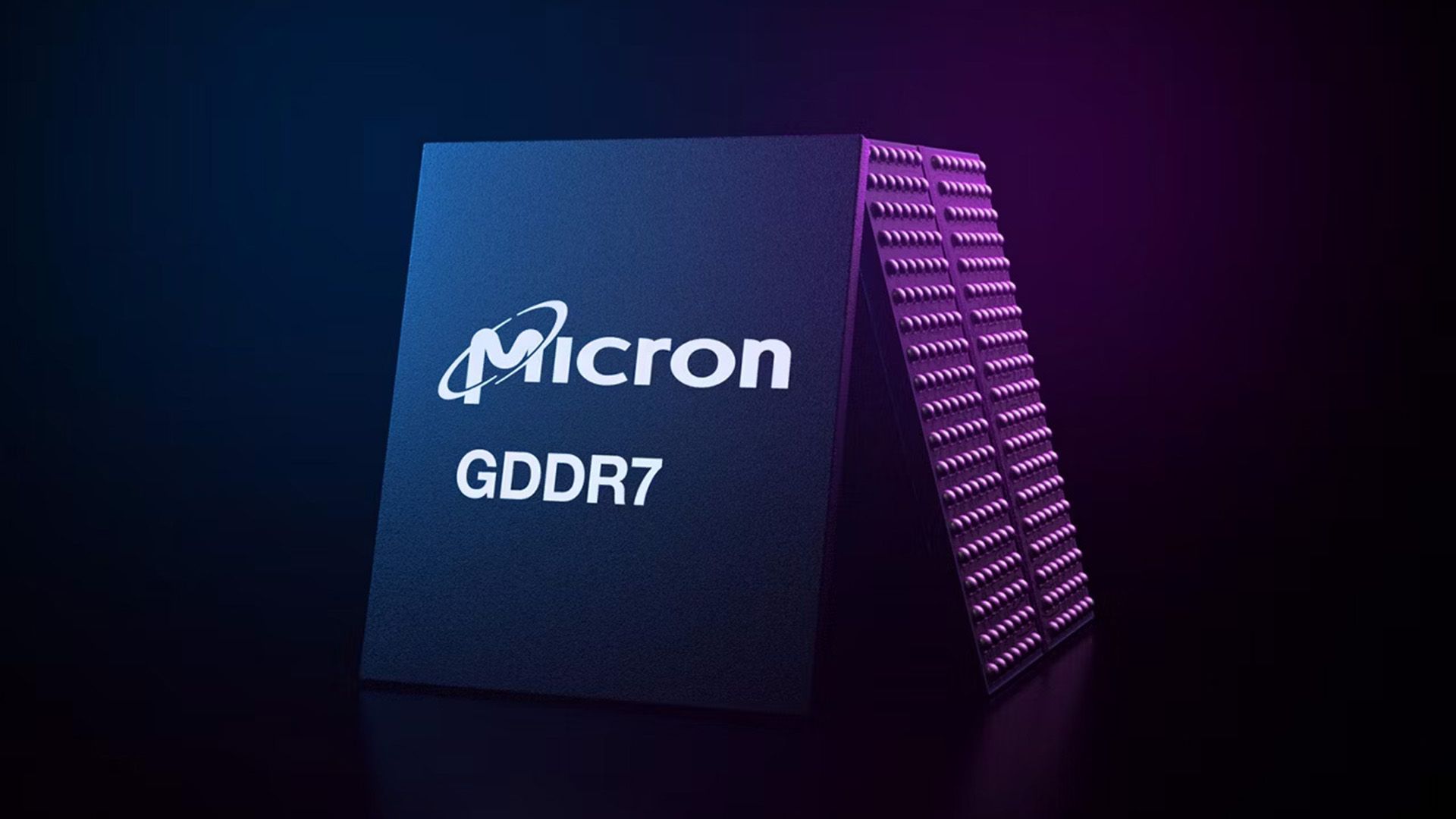
The clearest signal of the fast tier came from AMD, which has begun adding GDDR7 memory support to its Linux GPU drivers, according to Tom's Hardware. The outlet notes the changes also enable other graphics IP blocks, which could indicate that enablement work on its RDNA 5 GPUs is under way. Driver enablement is unglamorous work, but it is the leading edge of a product cycle: it happens months before silicon reaches consumers, and it tells anyone watching that the next generation of memory and graphics architecture is already being wired into software.
A second signal is Meta's Petal, a transoceanic undersea cable announced for the 4,300-mile route between the United States and France. Tom's Hardware reports the link will carry a petabit of raw bandwidth, twice as fast as the last such cable. Petal is infrastructure for moving data between continents at a volume that only a handful of companies need and only a handful can finance. Together, the AMD driver work and the Meta cable describe the top of the market: new memory standards, new GPU generations and new intercontinental capacity, all moving on their own schedule.
The Follower Tier Is Selling What Already Works
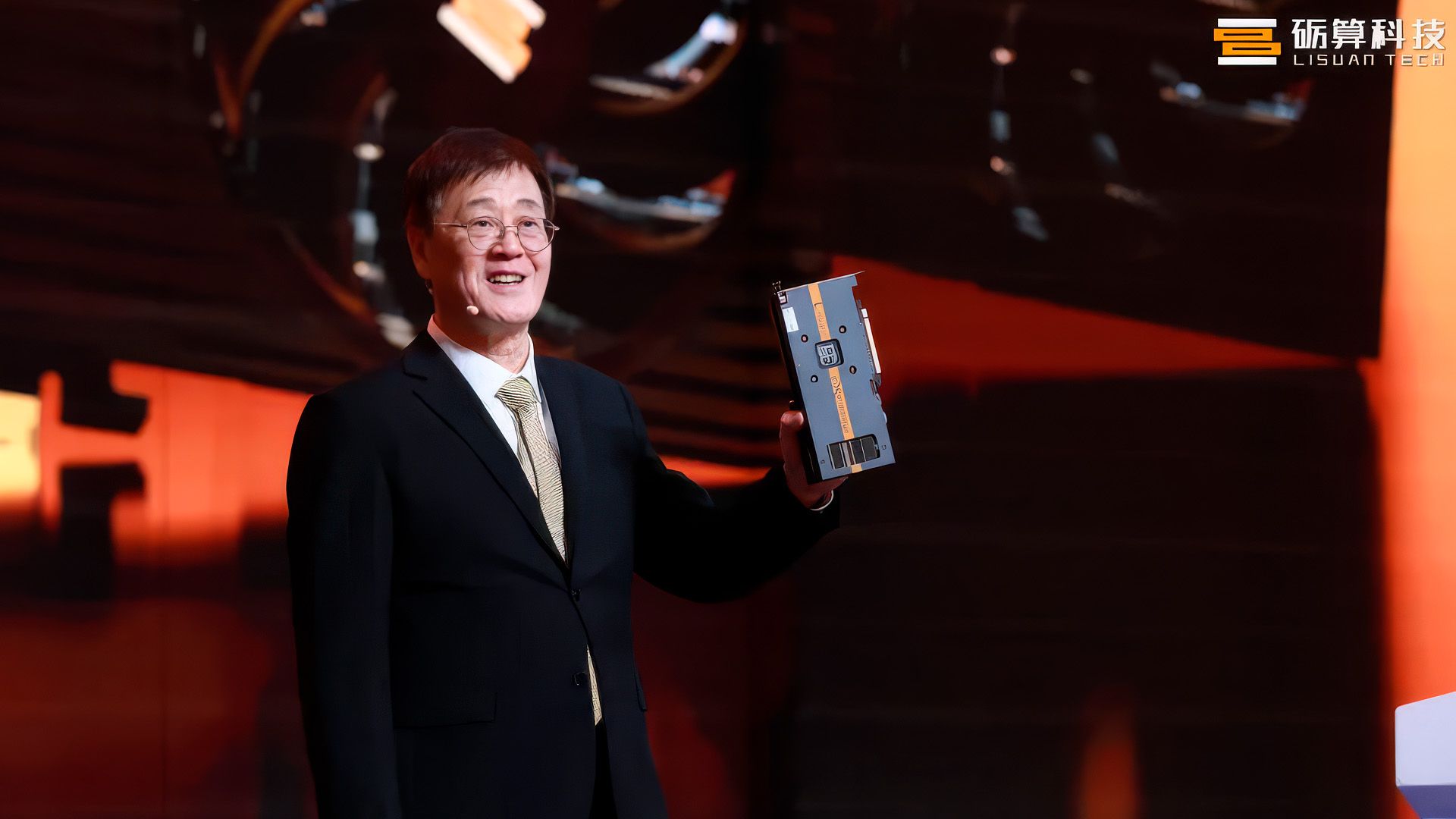
The contrasting tier is visible in the Lisuan Tech LX 7G100. Tom's Hardware's latest review found the Chinese gaming GPU performs comparably to AMD's Radeon RX 580 but trails the GeForce RTX 2060. Those are not current parts; they are reference points from earlier product cycles. A new GPU whose performance is measured against an RTX 2060 is not competing at the frontier. It is competing on availability, price and the absence of alternatives, serving buyers who cannot or will not pay frontier prices.
That is a real market, and it is not a small one. But it is a market defined by the leader tier's leftovers: older process nodes, older memory, older performance envelopes. The LX 7G100's position is not evidence that Chinese GPU design has stalled permanently. It is evidence that the distance between the frontier and the accessible option is now measured in multiple product generations rather than months.
Infotainment Shows the Same Split From the Demand Side
Volkswagen's decision to bring Tetris and other games to its infotainment displays, as Engadget reported, looks trivial next to a petabit cable. It is not. It is a demand-side demonstration of the same two-tier structure. A carmaker adding Pac-Man and Tetris to a dashboard screen is monetizing hardware that already exists, using software that costs almost nothing to license and that runs on silicon far below the gaming frontier. The compute in a modern vehicle is capable of far more, but the economically rational move is to reuse it for cheap entertainment rather than to chase the newest graphics pipeline.
For US consumers, this is the visible end of the split. The flagship phone, the flagship GPU and the flagship data center keep getting faster and more expensive. The devices people actually spend hours inside, cars included, increasingly run software that is deliberately undemanding because it has to run on hardware that was designed to a cost target, not a performance target.