The Silicon Valley Myth That Keeps Selling Semiconductors
Article

The Silicon Valley Myth That Keeps Selling Semiconductors

Three recent stories show that the semiconductor industry's self-image of meritocracy and frontier romance is a marketing story that obscures who really profits.

BhavyaSeptember 25, 20265 min read

Photo: Wired

The American semiconductor industry runs on a story about itself. It is a story of brilliant founders, garage beginnings, and national destiny - and it is a story that recent reporting, read together, shows is doing active work: covering up who actually profits, who gets erased, and how thin the material basis of the whole thing has become. On the Chips & Semiconductors beat, the unifying thread is the gap between the industry's myth and its machinery.

The myth is a product, not a description

The most useful recent entry is a Wired piece, "War Bros Didn't Always Rule Silicon Valley." The argument there is that tech was not always about the money and the military, and that the current assumption - that the industry was born from defense contracts and has always been a profit machine - is a convenience, not a history. That matters for chips specifically because the semiconductor sector leans harder on the frontier narrative than almost any other corner of tech. The fabless design houses, the foundry champions, the equipment makers: all of them trade on the idea that they are the natural heirs to a meritocratic, risk-taking, world-changing tradition. If that tradition is at least partly a retrofit, then the industry's claims to exceptionalism are a marketing position rather than an inheritance.

That is not a small point. A large share of the political capital the chip sector spends in Washington - and in state capitals competing for fabrication plants - rests on the idea that semiconductors are a special national asset with a special culture behind them. Wired's reporting suggests the culture was more contested and more contingent than the current version admits. When an industry's origin story is contested, its claims on public money become contestable too.

The sand is the punchline

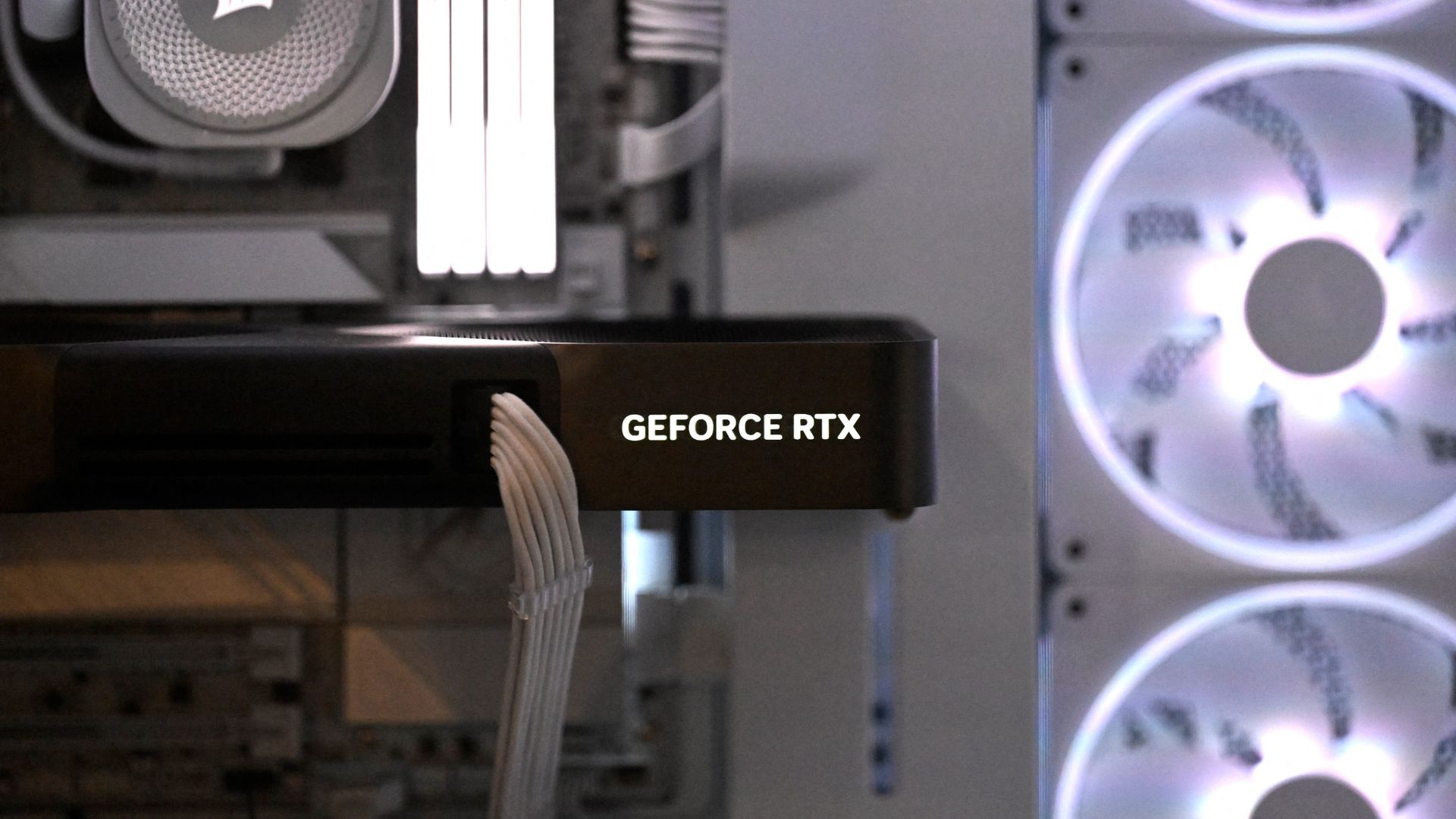
Set against that, the Wired story "Thieves Stole 'Nvidia' Trailers. They Got 20 Tons of Sand" reads at first like a heist comedy. Thieves took trailers they believed were carrying Nvidia silicon. They got sand. The joke lands because the thieves bought the myth - they assumed the trailers contained the most valuable thing the semiconductor economy produces, and they assumed the packaging told them where that value was.

The harder reading is about the physical supply chain underneath the branding. The most valuable object in the global chip trade is not, in fundamental terms, an idea. It is a highly refined material artefact that moves through trucks, ports, and warehouses, and that can be swapped out for a worthless commodity if the labels and the logistics are wrong. The thieves were defeated by the same thing that defeats most people trying to reason about chips: the assumption that the value lives in the name. It does not. It lives in the specific wafer, the specific node, the specific packaging step - and in the contractual chain that says who gets paid when that wafer moves.

That has direct resonance for US consumers and US firms in 2026. The domestic semiconductor push of recent years has been sold on the idea that bringing fabrication and packaging onshore creates a more reliable supply of the things American companies and households depend on. But a supply chain that can be described by a trailer, a manifest, and a brand logo is a supply chain that is only as reliable as its physical security and its paperwork. The sand story is a reminder that the industry's public image and its physical reality are not the same object.

Who gets erased when the story is told

The third story, Wired's "Who Killed Paulina Borsook's Career?," is the sharpest. A quarter-century ago, Borsook published "Cyberselfish," a book the piece describes as wildly prophetic and penetrating about Silicon Valley. Then she disappeared from the conversation.

That is the pattern in its purest form. The industry does not only construct an origin myth; it enforces a permitted cast of characters. The people who are remembered are the founders, the chief executives, the venture investors. The people who analyse the culture, who name its contradictions, who point out that the frontier rhetoric is doing work for a specific set of financial interests - those people can be correct and still be written out of the story. Borsook's book was prophetic, per Wired, and yet her career did not survive the prophecy.

For the Chips & Semiconductors beat, this matters because the semiconductor industry is currently in the middle of an enormous self-description. It is being described, in public and in policy, as the backbone of American technological sovereignty. That description has a cast: the executives who testify, the analysts who model the market, the consultants who advise on subsidies. The critics of the arrangement - the people asking whether the subsidy structure serves the stated purpose, whether the labour and environmental costs are being counted, whether the ownership of the resulting capacity is what the public thinks it is - are structurally easy to omit. Wired's piece on Borsook is a case study in what that omission costs.

The three stories are one argument

Read separately, these are a heist anecdote, a historiography essay, and a profile of a forgotten writer. Read on the chips beat, they are the same piece written three ways. The industry's self-image is a constructed product (War Bros). Its physical reality is mundane and substitutable, and the branding is what makes it seem otherwise (the sand). And the people who say so out loud tend to leave the stage (Borsook).

The practical consequence is that the American public is being asked to make large decisions about semiconductor policy - subsidies, export controls, onshoring, workforce training - on the basis of a narrative that is at least partly promotional. That is not an argument that the policies are wrong. It is an argument that the justification for them is doing more work than the evidence.

What to watch

Watch how the chip industry talks about its own history as the policy cycle turns. If the frontier framing is doing the work, we should expect fewer references to defense contracts and more to garage founders and risk-taking, even as the actual capital flows run through the state. Watch whether the physical supply chain gets discussed in terms of trailers and manifests or only in terms of nodes and nanometers; the sand story suggests the former is where the vulnerability sits. And watch who is allowed to critique the arrangement. Wired's Borsook piece is a warning that the answer can be no one, and that the disappearance is not noticed until much later.

More on this beat: Hardware on TechManNews.

#semiconductors#silicon-valley#supply-chain#policy#mythmaking#wired

Newsletter

Get Tech News in Your Inbox

The latest AI, gadgets, software and startup stories from TechManNews, delivered every morning - free.