AI Hardware's Power Bill Moves to the Edges
Article

AI Hardware's Power Bill Moves to the Edges

Three new AI hardware stories show the same pattern: processing is spreading into connectors, boxes, and earbuds, and the cost is showing up in heat, wires, and watts.

NagiSeptember 25, 20265 min read

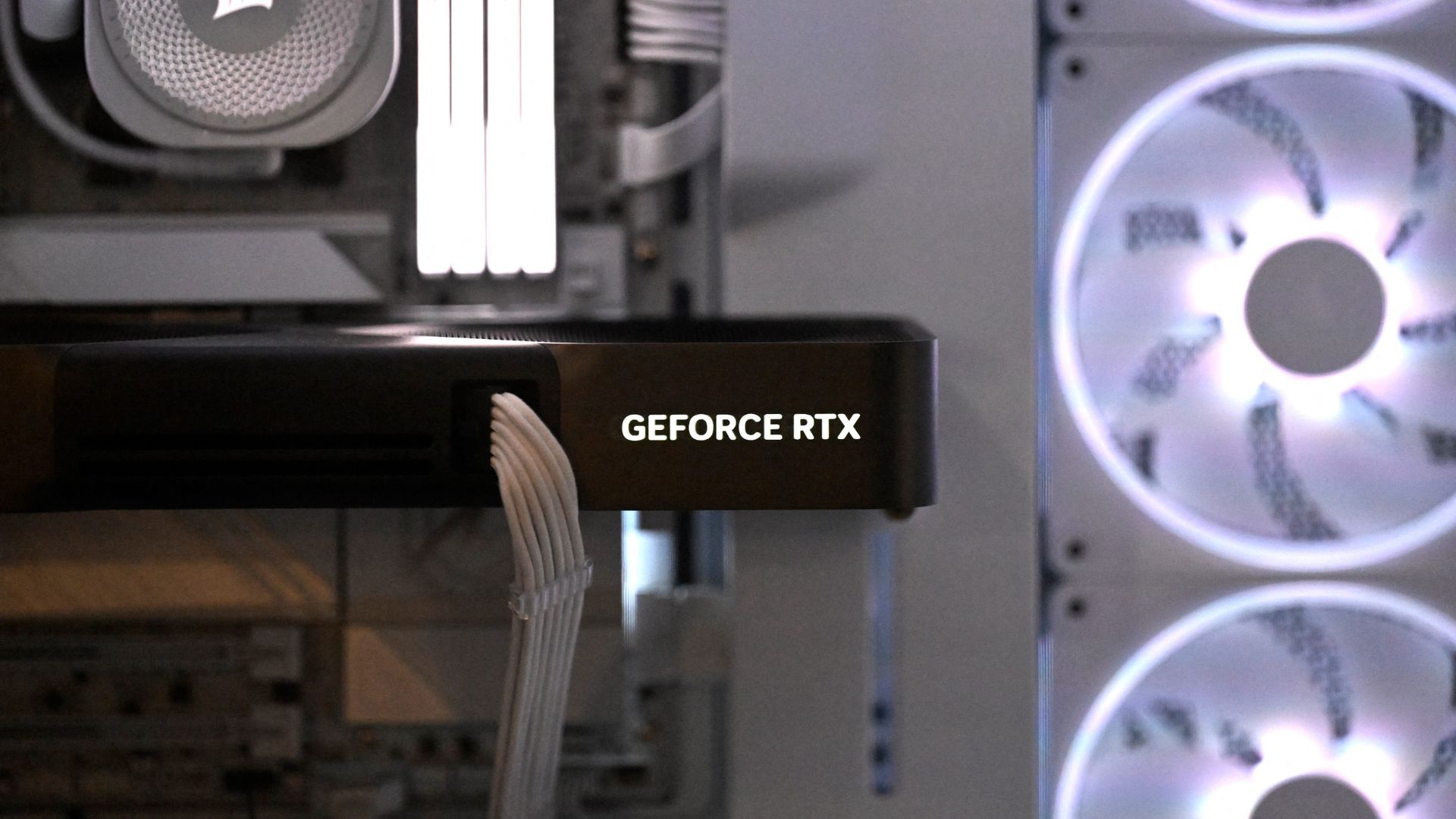
Photo: Tom's Hardware

AI hardware's next phase is not about a bigger central chip. It is about pushing AI processing into the unglamorous places around it, and the costs of that shift are showing up as heat, wires, and power draw. Three recent stories on this beat point in the same direction: the bottleneck is moving outward from the die to the connector, from the desktop to a wireless box, and from the phone to the earbud.

The connector is becoming the constraint

QuasarZone tests of a GeForce RTX 5090, reported by Tom's Hardware, show the 16-pin power connector reaching temperatures above 90 degrees Celsius at peak power consumption near 650W. The detail that matters is not just the number. It is the relationship: the power connector is running hotter than the GPU die itself. For years, the thermal story in high-end graphics has been about the silicon. Now the weak link is the interface that feeds it.

That reframes how US buyers of flagship cards should think about a build. The die is designed to shed heat under load, and board partners build elaborate cooling around it. The 16-pin connector sits at the edge of that system, carrying the entire load through a small contact area. When it becomes the hottest part of the assembly, the limiting factor is no longer compute density. It is power delivery.

The material does not establish how widespread this behavior is, nor whether it reflects a defect or simply the physics of pushing roughly 650W through a compact connector. What it does establish, based on QuasarZone's testing, is that the operating envelope of high-end GPUs now probes the limits of the components around the chip. US enthusiasts and system builders who treat the power connector as an afterthought are treating the wrong part as peripheral.

Processing is leaving the desktop

A second story, also from Tom's Hardware, describes a wireless Wi-Fi 7 external GPU box with a built-in 4TB SSD for local AI. The design puts AI workloads within reach of local machines over Wi-Fi 7, rather than requiring the compute to sit inside the host. The onboard storage is the tell. This is not a passthrough enclosure for graphics; it is a local AI node with its own memory tier, attached wirelessly.

The appeal is straightforward. A user can add AI-capable compute without opening a case, and the data can stay local instead of going to a cloud service. For US consumers, that addresses two concerns at once: upgrade friction and data residency. For US technology companies, it creates a new category between the cloud GPU and the internal add-in card, one where the buyer does not have to commit to a full platform refresh to get more AI capacity.

The tradeoff is that wireless delivery moves part of the performance problem into the link. A Wi-Fi 7 connection is not a PCIe slot. The story does not quantify latency or throughput, so the practical ceiling for training or inference is unclear. But the direction is consistent with the connector story: the interesting engineering is happening outside the die, in the transport and the packaging.

The endpoint is absorbing AI

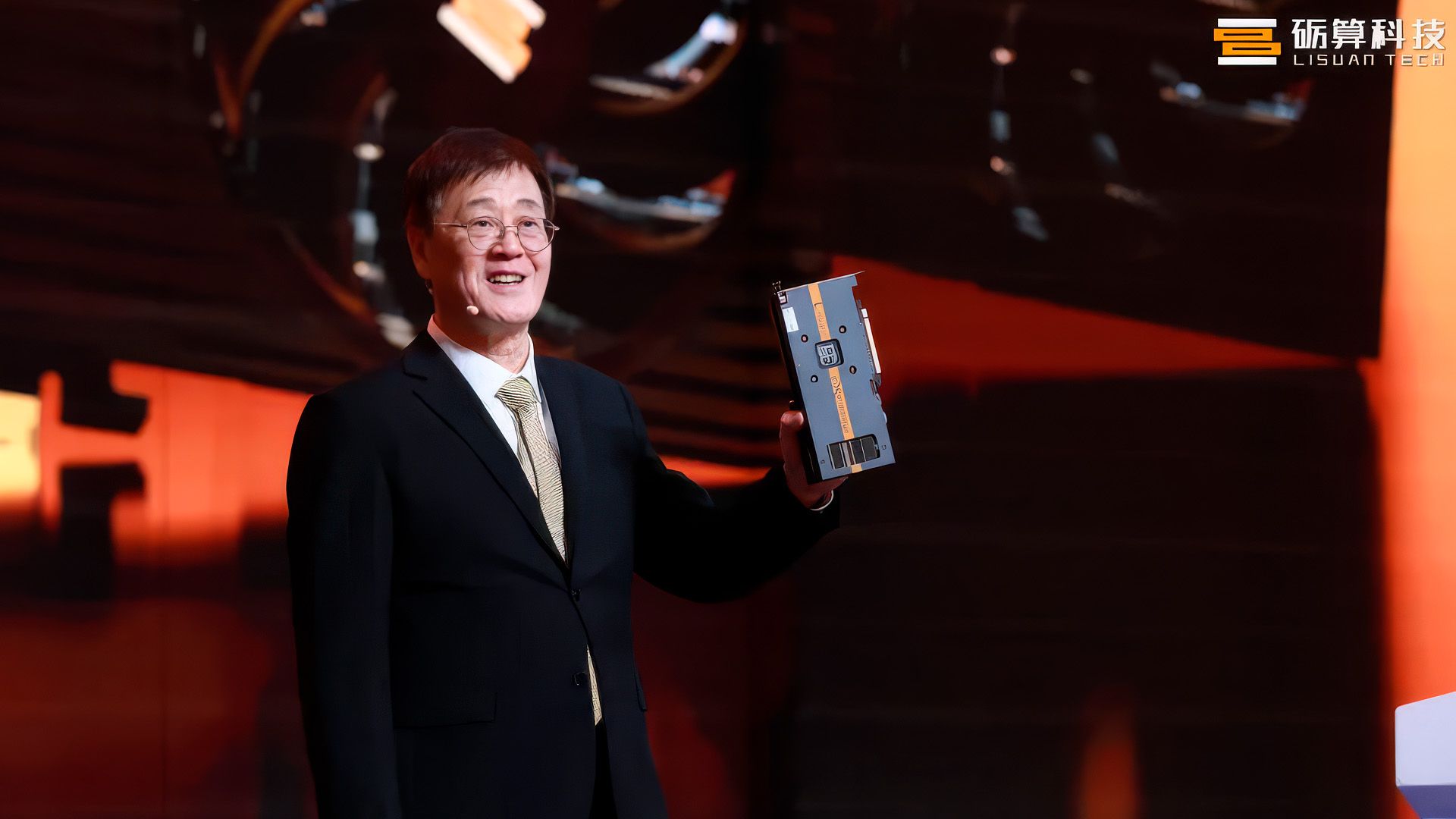
Qualcomm's Snapdragon Sound Elite, reported by Engadget, is a new AI chip for audio wearables. It is designed to enable AI features on small audio devices. A chip for earbuds sounds like a different world from a 650W graphics card, but the underlying move is the same: AI capability is being distributed down the product stack into places that until recently had no compute budget to spare.

Audio wearables are among the most power- and thermal-constrained consumer devices in volume production. Putting AI features there requires integration and efficiency rather than raw throughput. Qualcomm's interest in this segment is a signal about where the company expects differentiation to come from: not only in phones, but in the accessories around them. For US consumers, that points to features arriving in earbuds rather than in an app, with the processing happening on the device.

Heat, wires, and watts are the shared cost

The three stories describe different products, but they share a constraint. Every step that moves AI processing outward or downward has to be paid for in power and thermal management. The high-end GPU pays at the connector. The wireless external box pays in the link and in the power supply it needs to run a GPU and a 4TB SSD. The audio wearable pays in a battery budget measured in hours.

This is why the connector temperature above 90 degrees Celsius matters beyond one card. It is an early example of what happens when AI hardware pushes against the edges of an existing standard. The 16-pin connector was not designed around an AI-era power profile. Similarly, Wi-Fi 7 was not designed as a compute interconnect, and earbud batteries were not designed for sustained AI workloads. The industry is now adapting commodity interfaces to jobs they were not built for.

What it means for the US market

For US technology companies, the pattern suggests that competitive advantage is shifting toward integration and power delivery rather than peak compute alone. A company that can manage heat at the connector, or run AI across a wireless link, or fit AI into a wearable's power envelope, is solving problems that a faster chip does not fix. That is a different engineering culture than the one that produced the last several generations of flagship GPUs.

For US consumers, the near-term effect is likely to be more choice about where AI compute lives. A flagship card remains the highest-performance path, but it now comes with a power-delivery story that buyers should read carefully. Wireless external boxes offer an upgrade path that does not require a new desktop. Audio wearables put AI features closer to the body, at the cost of battery life.

None of this means the central GPU is going away. The RTX 5090 in the QuasarZone test is still the reference point for this class of hardware. But the surrounding stories show where the next round of engineering attention is going: outward, to the parts users do not usually think about.

What to watch

Watch whether connector temperatures in high-power GPUs become a documented, repeatable finding rather than an isolated test result. Watch whether wireless external GPU boxes with onboard storage establish measurable latency figures that make local AI workloads practical. And watch whether AI audio chips translate into features US consumers can name, rather than a specification line. The thread running through all three is the same: AI hardware is spreading into the edges of the system, and the edges are where the limits now show up.

More on this beat: Hardware on TechManNews.

#GPUs#AI Hardware#Power Delivery#External GPU#Edge AI#Thermals

Newsletter

Get Tech News in Your Inbox

The latest AI, gadgets, software and startup stories from TechManNews, delivered every morning - free.

AI Hardware's Power Bill Moves to the Edges | TechManNews