The defining battles in consumer technology are increasingly being fought over the processor rather than the product around it. A laptop, a phone and a rumored desktop chip lineup are all being defined by which silicon sits inside them, and by what that silicon can do that a rival's cannot. For US buyers and US technology companies, the CPU has moved from a spec-sheet footnote to the main event.
A Laptop Launch That Is Really a Chip Launch
HP's new OmniBook 5 14 is being pitched squarely at Apple's MacBook Neo, and the detail that matters most in The Verge's account is not the price or the panel. It is the processor: an Intel Core 5 315 "Wildcat Lake" chip, paired with 8GB of RAM and a 256GB SSD in a machine starting at $699.99. The Verge notes that much of that configuration sounds familiar, sitting in lockstep with both Apple's Neo and its recent competition.
The OLED display and the thinner, lighter chassis are the visible pitch. The invisible pitch is that Intel has a part positioned to compete in exactly the segment Apple defined. That is a processor story wearing a laptop's clothes. When a vendor can match a rival's form factor and undercut or match its price, the remaining question is whether the chip inside can carry the experience. Wildcat Lake's presence in a $699.99 machine tells US consumers that the mainstream laptop tier is now a silicon battleground, and tells US OEMs that their differentiation increasingly depends on what Intel and its rivals ship on a roadmap they do not control.
Cache Is the New Clock Speed
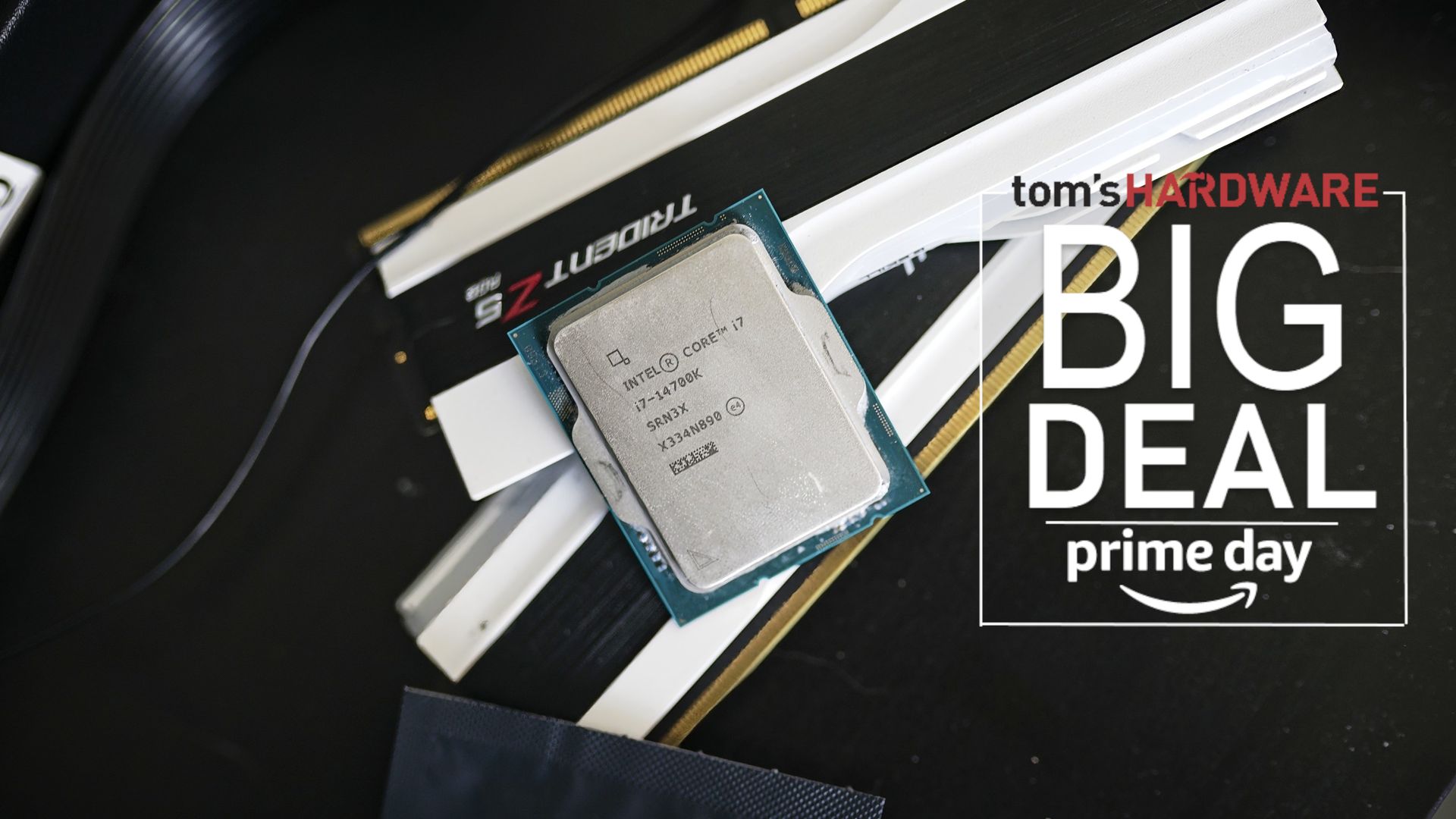
On the desktop side, the leaked Nova Lake product list reported by Tom's Hardware points the same direction. The table of rumored models describes three "BFC" chips with up to 144MB of game-boosting L3 cache, with the term apparently standing in for the heavily rumored bLLC. The framing in that report is telling: the cache is described as game-boosting, not as a generic specification.
That is a shift in how performance is marketed and, to a real degree, how it is delivered. For years the headline number was frequency. Then it was core count. The leaked Nova Lake table suggests the next contest is cache capacity, aimed specifically at gaming workloads where large pools of on-die memory reduce trips to system memory. If that framing holds, US gamers shopping for a desktop processor will be comparing cache figures the way they once compared gigahertz. It also means the competitive pressure between Intel and its rivals is being expressed in die area and packaging, not just in clock targets, which raises the engineering and manufacturing stakes for the companies building these parts.
The Phone Catches Up to the PC
The third story extends the pattern beyond personal computers. As CNET reported, AI upscaling and frame generation are coming to upcoming premium Android phones running the new highest-tier Snapdragon chips, capabilities that PCs and consoles have had for years.