The gadget economy's center of gravity has shifted from selling new hardware to managing the hardware people already own. A cluster of recent stories on this desk - a discontinued smart speaker reset guide, a warning about shower steam, a multi-billion-dollar patent verdict against Apple, and a comparison of two generations of Garmin sport watches - all point the same direction. The decisions that matter now happen after the point of sale: whether an old device can still be reset, whether a waterproof phone survives everyday use, what a jury says a design is worth, and whether the newest model is worth an upgrade at all.
Discontinued Does Not Mean Done
Engadget's guide to factory-resetting a Google Home Mini is instructive precisely because the product has been discontinued. The speaker is no longer sold, yet enough units remain in American homes that a how-to still has an audience. That is a mature market's signature: an installed base that outlives the product line. For US consumers, it means the useful life of a cheap smart speaker is now set by software support and app compatibility rather than by whether the hardware still works. For American technology companies, it means the support burden on legacy devices keeps accumulating long after revenue stops. A reset procedure sounds trivial, but it is the last line of defense for a device that someone still relies on.
Water Resistance Has Limits Owners Ignore
Engadget's report on shower steam and "waterproof" phones makes a related point from the other direction. Manufacturers are direct in their guidance, according to that reporting, but owners routinely exceed it. The gap between an IP rating and real-world behavior - steam, humidity, repeated exposure - is where devices fail. This is not a manufacturing defect story. It is a consumer-expectation story. Americans have been trained by marketing to read "waterproof" as unconditional, and the industry has not been especially motivated to correct that impression. The result is a class of failures that warranty terms may not cover and that buyers often blame on the product rather than the circumstances. In a market where replacement costs are high and upgrade cycles are stretching, that mismatch has real financial consequences for households.
The Patent Bill Comes Due
The Apple verdict reported by Engadget - a $5.7 billion jury award for alleged patent infringement, which the company is reportedly looking to appeal - belongs to the same pattern from the supply side. Patent litigation is a cost of doing business that lands years after the products that triggered it were designed and sold. For US technology companies, large verdicts inject uncertainty into product planning and can influence how aggressively features are pursued. For US consumers, the practical effect is indirect but real: legal exposure is one of the inputs that shapes pricing, feature availability, and how long a given design stays on the market. An appeal, as reported, means the number is not final, but the exposure itself is already priced into how companies think.
Upgrade Math Gets Harder
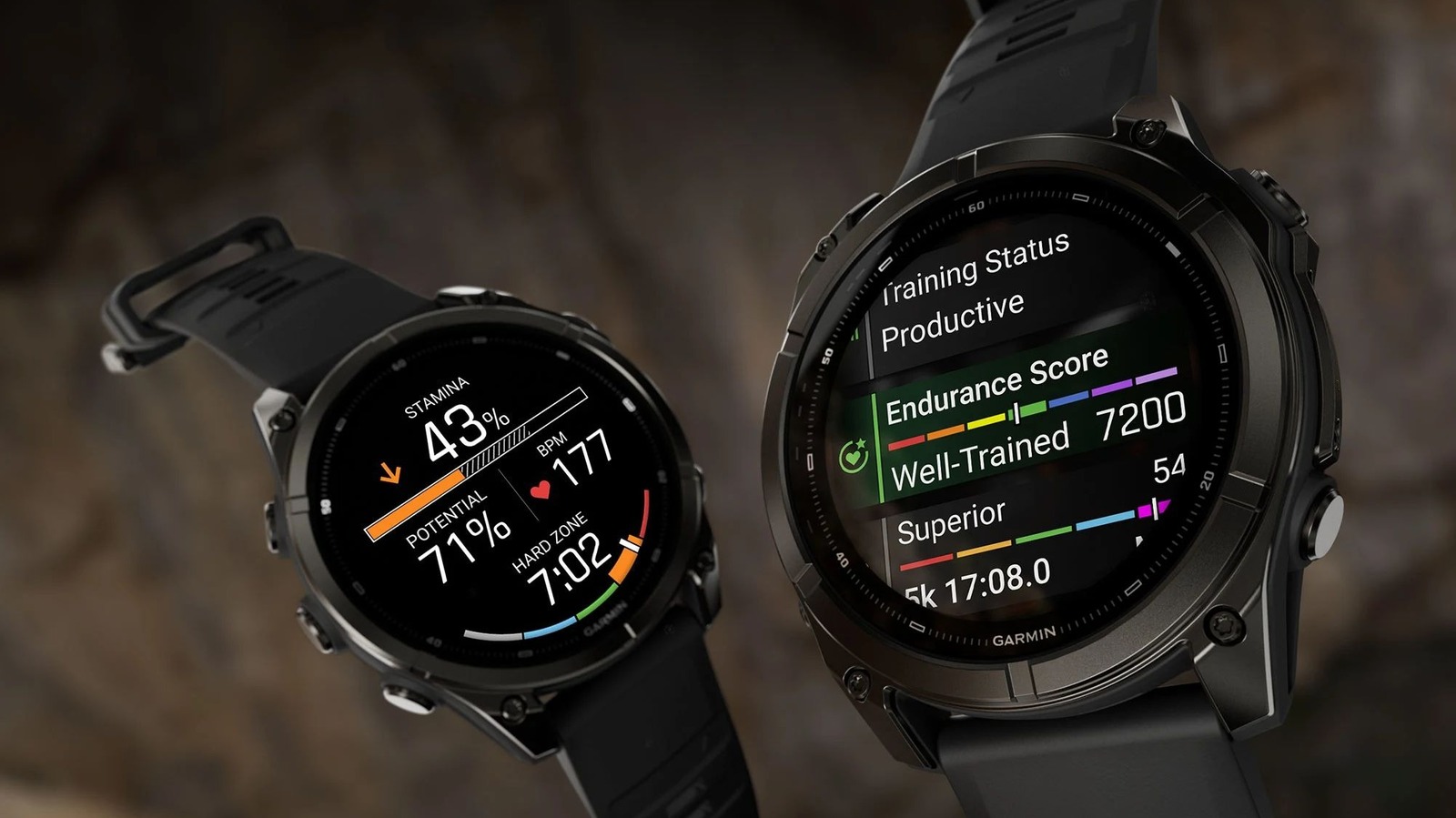
Engadget's comparison of the Garmin Fenix 9 and the Fenix 8 asks the question that now defines the gadget market: how much of an upgrade is the new model, really? Sport watches are a useful case because they are expensive and durable, which makes the upgrade decision deliberate rather than habitual. When a prior generation still does most of what a buyer needs, the newest model has to justify itself on specifics rather than novelty. That is a harder sell, and it is the environment American hardware makers are operating in. The installed base is large, the improvements are incremental at the margins, and owners have learned to wait.