The tech industry spent the past decade behaving as if its core inputs - chips, electricity, cooling, and even the humble wafer - were abstractions that would always scale. Three recent stories on this desk suggest that assumption is failing. The thread connecting them is not any single supply chain or policy, but the reemergence of physical constraints as the central strategic problem for hardware. That shift carries direct consequences for American technology companies and consumers.
Weird News as a Signal
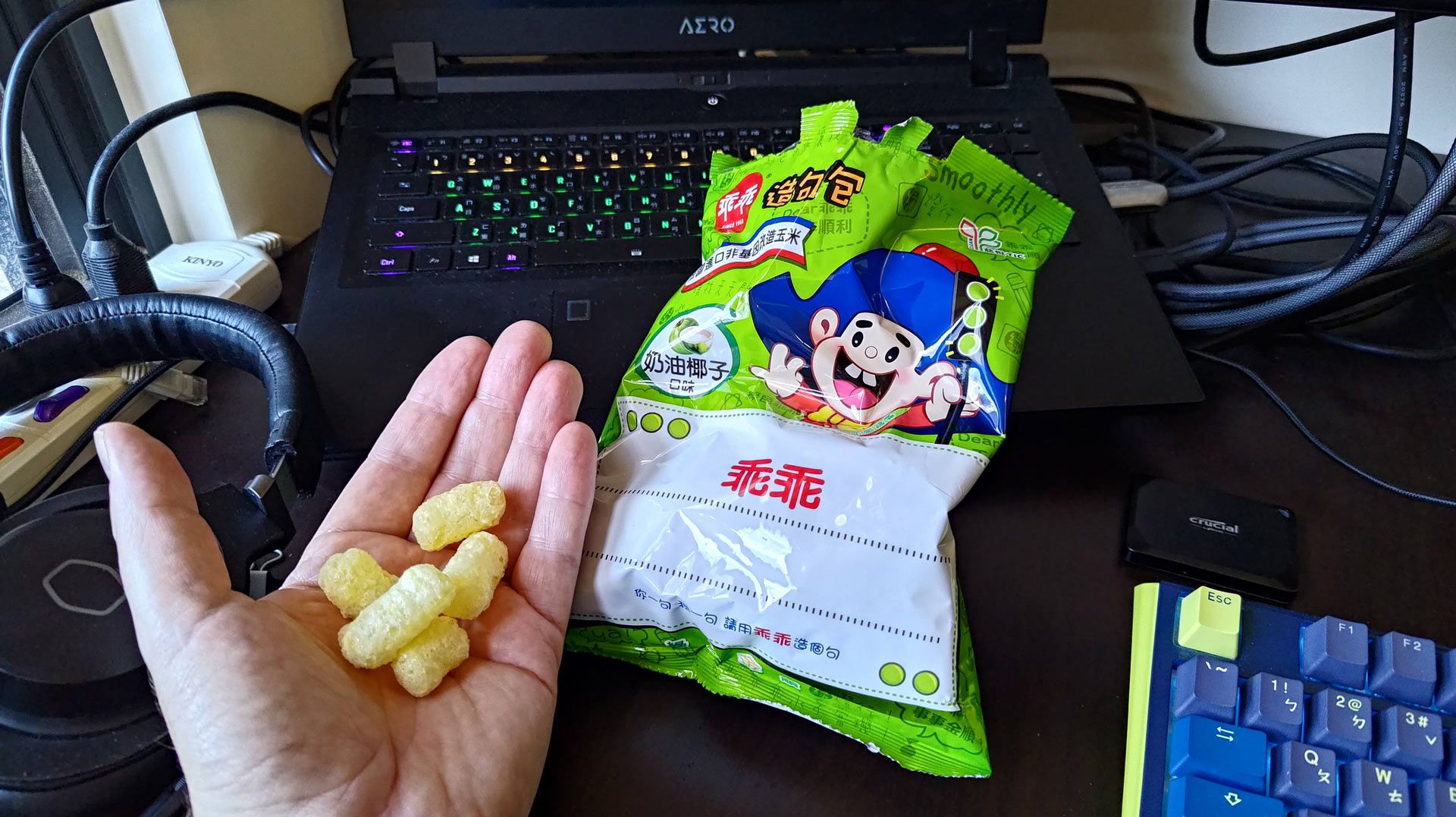
On its face, the strike vote at the Taiwanese snack company Guai Guai has little to do with semiconductors. But as Tom's Hardware reported, the company behind the tech talisman snack faces a production halt after a 94% strike vote. In normal times, this would be a curiosity - a labor dispute at a food manufacturer that happens to be beloved in the chip industry. In the current environment, it reads differently. The snack is produced in Taiwan, and its supply chain sits inside the same geography that produces the most advanced chips on earth. A labor action there is not merely a human resources problem for one company; it is a reminder that even the most culturally trivial inputs to the tech ecosystem depend on physical production and the people who do it. If a snack can be halted by a strike, so can a substrate, a connector, or a fan. The fact that this story surfaced at all, and that it was covered by a hardware publication, shows how attuned the industry has become to the fragility of its peripherals.
The Old GPU as a Supply Constraint
Engadget's story about old GPUs being worth more than people think points to a related dynamic. The headline frames it as a goldmine, and the reason given is "RAMaggedon" - a condition in which memory is scarce and expensive. The implication is that the value of an old graphics card is no longer defined solely by its compute performance, but by the memory chips inside it. That is a significant shift. For years, the used GPU market priced cards by their frame rates and compute throughput. Now, the bill of materials is floating the price. This matters to US consumers because it changes the calculus of upgrading a gaming PC or a workstation. A card that would have been e-waste two years ago may now be worth keeping, reselling, or salvaging for parts. It also matters to US technology companies, because it signals that memory supply is tight enough to distort adjacent markets. When the resale price of an aging component is driven by a single subcomponent, the industry is not dealing with a temporary glitch. It is dealing with a materials bottleneck that has worked its way into consumer behavior.
Data Centers Meet Their Limits
Wired's story on the data center backlash makes the climate dimension of this thread explicit. Climate groups are latching onto the opposition movement, but it remains to be seen whether they can get people to care about the facilities' impact on the atmosphere. The phrase "remains to be seen" is telling. It acknowledges that the opposition is real - data centers are being contested at the local level - but that the climate frame may not be the thing driving it. What is driving it, implicitly, is a set of physical complaints: land use, water consumption, grid strain, and noise. These are not abstract climate concerns; they are immediate material concerns. The climate movement may be late to this fight. The people already fighting are responding to the physical presence of the facilities. For US technology companies, this means that siting a data center is no longer a real estate and tax negotiation. It is a political contest over local resources, and the opposition has an existing, visceral argument that predates the climate framing.