The GPU market is separating into two tiers that no longer share the same logic. On one side sits the consumer channel, where buyers compete for cards that are fast but deliberately not the fastest. On the other sits the AI datacenter, where capacity is added in lots of hundreds of thousands and the best silicon goes first. Three recent stories on this beat point to the same pattern: the GPU industry's center of gravity has moved to AI infrastructure, and the American consumer market is being repriced and repositioned around it.
The Best Silicon Sells to Someone Else
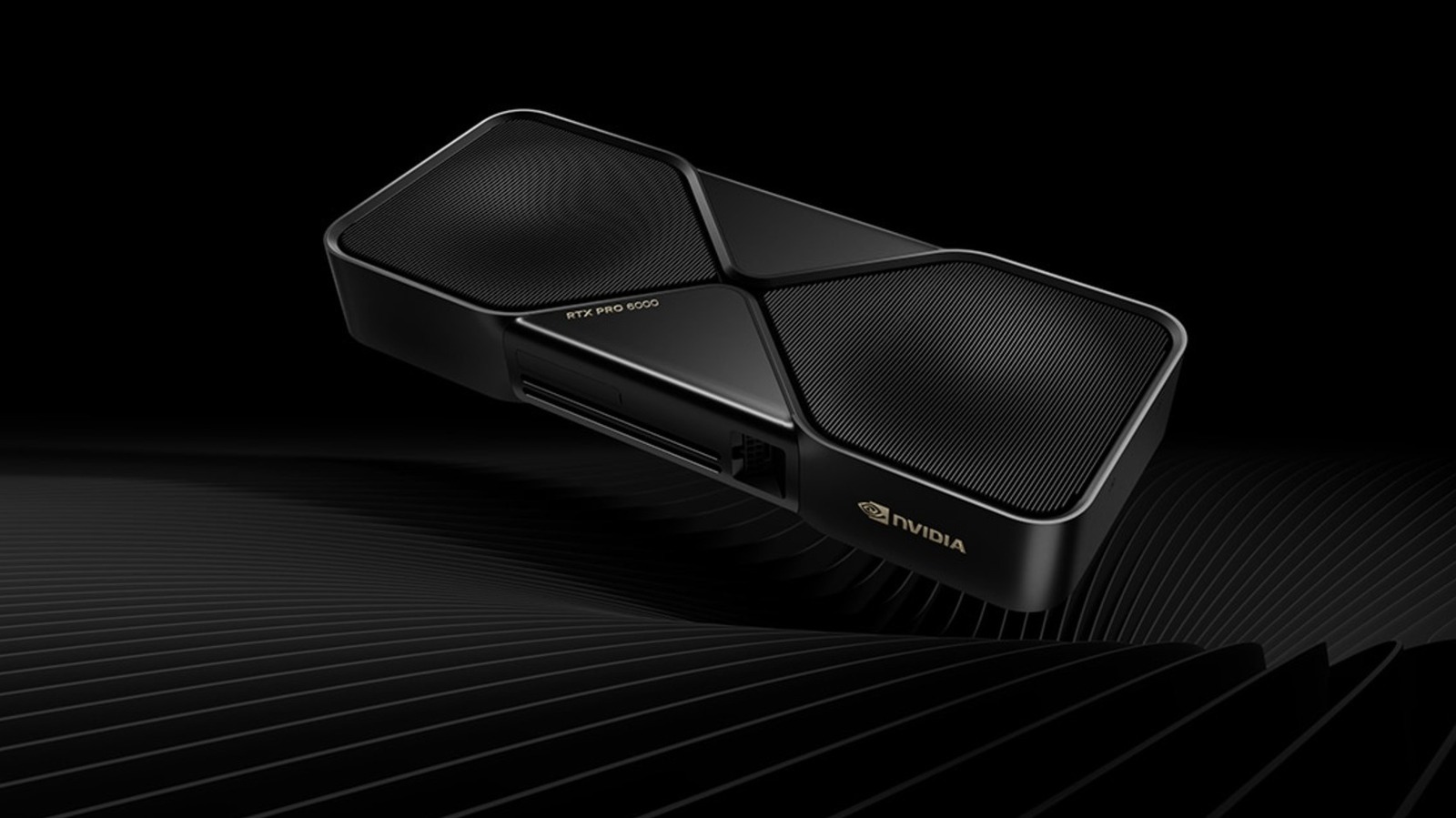
NVIDIA's $16,000 RTX PRO 6000 can beat the RTX 5090, as Engadget reported, but gamers are not who it is built for. That single fact captures the whole arrangement. The card exists, it is more capable than the top consumer part, and it is not steered toward the consumer shelf. The company is not withholding performance out of spite; it is allocating its strongest products to the buyers whose workloads justify the price and whose volumes justify the priority. For US consumers, the practical consequence is that the flagship gaming card is no longer the ceiling of what is technically available. The ceiling has moved to a professional tier with professional pricing, and the consumer tier is defined partly by what is left over. That is a meaningful change in what a top-end GPU purchase means. It used to signal you had bought the best. Now it signals you have bought the best that the consumer channel was allocated.
Capacity Is Being Added by the Hundreds of Thousands
The scale on the other side of the split is not incremental. Elon Musk's SpaceXAI plans to add another 660,000 AI GPUs this year, nearing a total of 1.44 million in operation, according to Tom's Hardware. Musk said the Colossus 2 site will receive 220,000 GB300 GPUs by next week, with another two tranches of the same amount expected later this year, finally hitting a goal he set two years ago. Those are not procurement plans measured in pallets. They are measured in fractions of national-scale compute. When a single operator is absorbing GPU volumes in the hundreds of thousands, the allocation question stops being a matter of marketing tiers and becomes a matter of industrial supply. The consumer market does not disappear, but it becomes a residual claimant on capacity that is now spoken for at a different order of magnitude.
Two Different Businesses Under One Roof
Set the two stories next to each other and the tension is structural rather than temporary. The same industrial base that produces a $16,000 professional card which outperforms the consumer flagship is also producing the GB300 parts that a single AI operator is installing by the hundreds of thousands. Both draw on constrained advanced packaging, high-bandwidth memory, and leading-edge foundry capacity. The difference is that one buyer takes hundreds of thousands of units and the other takes one. In that comparison, the consumer business is not the priority customer. It is a volume business with a fraction of the unit economics and a fraction of the strategic importance to the vendors. That does not mean US consumers are abandoned. It means they are served after the decisions that matter most to the suppliers have already been made.