The three stories logged on this beat recently do not share a product category, a price point, or a vendor. They share a pattern instead: processors are being chosen for what they are asked to do at the workload level, and the resulting configurations diverge so far that conventional comparisons between them are close to meaningless. A $12,299 Mac Studio, a Meta agent host with two vCPUs and 8GB of memory, and a 4K camera that needs a PC DIY fan to avoid throttling are all processor stories, and none of them is competing with the others.
Three Buyers, Three Definitions of Enough
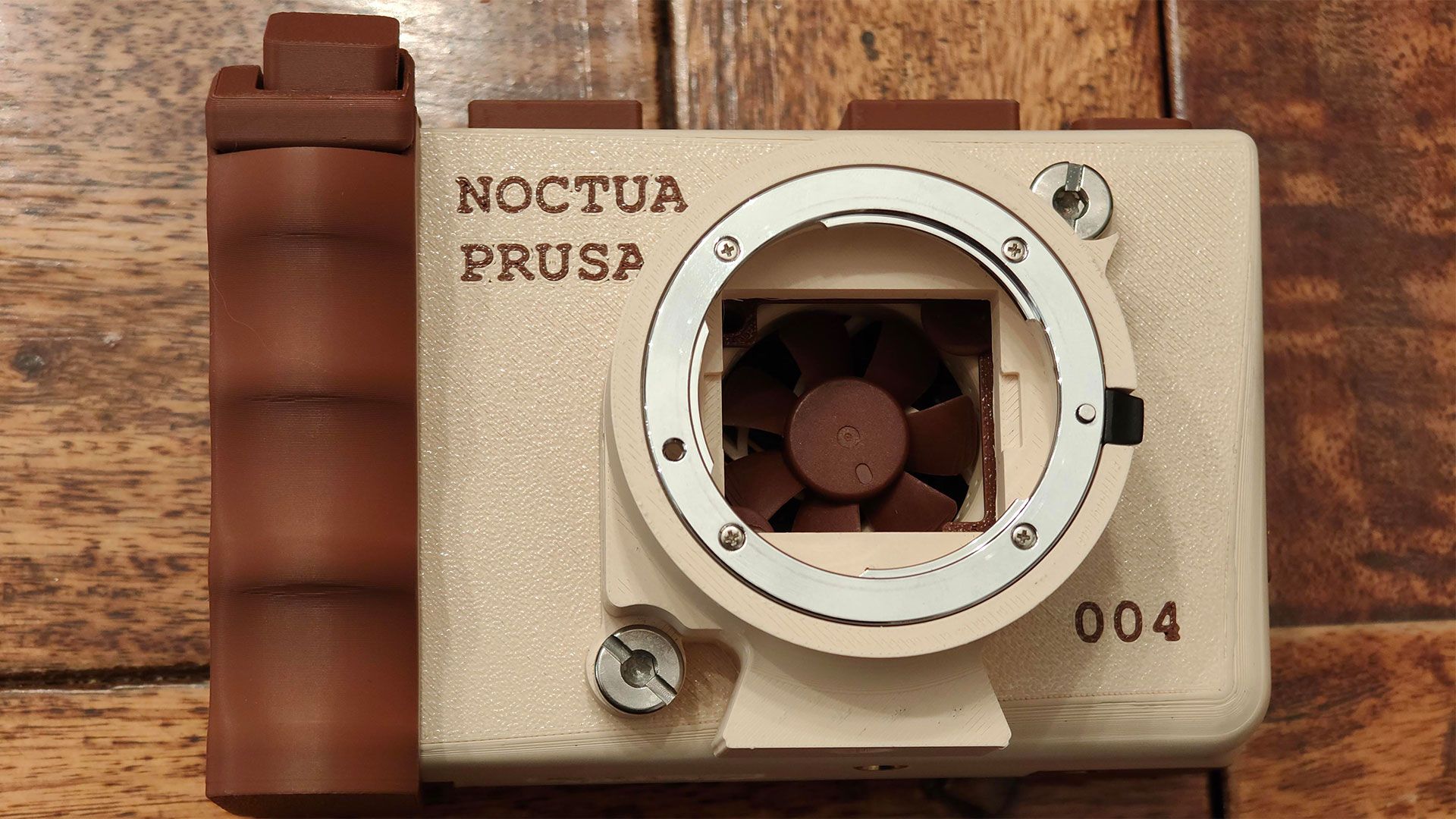
The Mac Studio review unit Apple sent to The Verge carries an M5 Ultra with a 36-core CPU and 80-core GPU, 256GB of RAM, and 4TB of storage, at $12,299. The Verge's framing is direct: this is not for typical content creation workloads, it is for AI. That is a processor being specified for memory capacity and sustained accelerator throughput, not for the clock-speed comparisons that once organized the desktop CPU conversation. At the other end, Tom's Hardware reports that Meta's new Muse AI agent runs on AMD EPYC Turin hosts, with each user getting a private sandbox of two vCPUs and 8GB of memory. That is a processor being specified for density: how many isolated, cheap, disposable units a host can carry. The CAIM1 “Anti-AI” 4K camera, meanwhile, gets toasty as it records while performing cryptographic calculations, and Tom's Hardware reports that a Noctua fan is being used to prevent throttling. That is a processor being specified for a thermal envelope inside a camera body, where the constraint is heat rather than core count.
The Workload Is Now the Specification
What unites these is that the workload has become the primary specification, and the silicon is downstream of it. The M5 Ultra configuration makes sense only if the buyer intends to run large models locally, where unified memory and accelerator width matter more than single-thread performance. The EPYC Turin sandbox makes sense only if the operator expects thousands of small, short-lived agent sessions, where per-session overhead and isolation cost dominate. The camera's processor makes sense only if cryptographic computation happens continuously during capture, which turns cooling into a functional requirement rather than a nicety. In each case, a general-purpose processor is being pressed into a specialized role, and the configuration reflects that role rather than a broad notion of capability.
Two Cores Is a Design Choice, Not a Compromise
The Meta Muse detail is the one most likely to be misread. Two vCPUs and 8GB of memory per user sounds austere next to a 36-core desktop part, but the two numbers are answering different questions. A private sandbox with two vCPUs is a deliberate allocation: it bounds the blast radius of an agent, makes per-user cost predictable, and lets the operator pack many sandboxes onto EPYC Turin hosts. The Mac Studio's 36 cores are answering a question about how much work one person can push through one machine. Judging the sandbox by the workstation's standard, or the workstation by the sandbox's, mistakes a design choice for a deficiency in both directions.
Cooling Becomes a Processor Story
The CAIM1 story is the clearest sign that the CPU beat has absorbed concerns that used to sit elsewhere. When a processor performs cryptographic calculations continuously while recording 4K video, thermal headroom stops being an afterthought and becomes the limiting factor on sustained performance. The remedy, per Tom's Hardware, comes from a premium PC DIY fan brand, which means a component culture built around desktop builders is now supplying the thermal answer for a camera. For readers of this beat, that is a useful reminder that throttling behavior is a processor specification in practice, whatever the datasheet says. It also means the practical ceiling on a specialized device is often set by how well someone else's cooling part performs.