The CPU Price Ladder Is Bending at Both Ends
Article

The CPU Price Ladder Is Bending at Both Ends

Three recent product stories show chip pricing diverging: flagship silicon keeps climbing while mainstream desktop chips get more expensive and less affordable.

HemeswariSeptember 27, 20265 min read

Photo: The Verge

The three stories on this beat share one thread: the price ladder for processors is bending at both ends at once. Flagship silicon keeps pushing into territory where the chip itself is only part of a much larger bill, while the mainstream desktop chips that used to anchor the affordable end keep drifting upward. For US buyers, the practical result is that the old assumption - that you can always buy last year's good-enough processor for less - is getting harder to rely on.

Flagships Are Being Sold as Anchor Tenants

Motorola's Signature 27 is the first phone announced with Qualcomm's top-end Snapdragon 8 Elite Extreme Gen 6 chipset, as The Verge reported. The phone is positioned as Motorola's most advanced flagship in years, and the outlet noted that full specs, price, and release date are still pending.

That is the pattern worth noticing. The chip lands first, the phone around it is still being filled in. Qualcomm gets a launch partner to put its most expensive part in front of buyers, and Motorola gets a reason to be discussed as a serious flagship maker again. But the phone only exists at the top of the stack. There is no cheaper variant in the same story. The Extreme Gen 6 is the ceiling, and the only device announced so far is built to sit under that ceiling.

For US consumers, this means the newest phone silicon arrives attached to the most expensive handset a company makes. That is not new behaviour, but it is now the default. The chip is announced before the price, because the price is expected to be high enough that it needs its own conversation.

The Desktop Ceiling Also Moved Up

At the other end of the device spectrum, The Verge's piece on the Mac Mini makes the same argument from the opposite direction. The Mac Mini was once a $599 machine that was easy to recommend to anyone who wanted something speedy, simple, and cheap. The new M6 model is better, but it starts at $899, and its 12-core CPU and 12-core GPU may be more than a typical buyer needs.

That is the useful part of the comparison. The complaint is not that the M6 is bad. The complaint is that the entry point into a capable desktop has moved $300 higher, and the silicon at that entry point is now aimed at buyers who need more than the basics. A 12-core CPU is not a budget configuration. It is an overqualified one for the person who just wants a small, fast, quiet computer.

The signal to US buyers is that the floor of the desktop market is being raised by the chips themselves, not just by memory or storage costs. When the cheapest configuration ships with silicon that used to be reserved for prosumers, the cheapest configuration stops being cheap.

The Gaming Build Shows the Real Ceiling

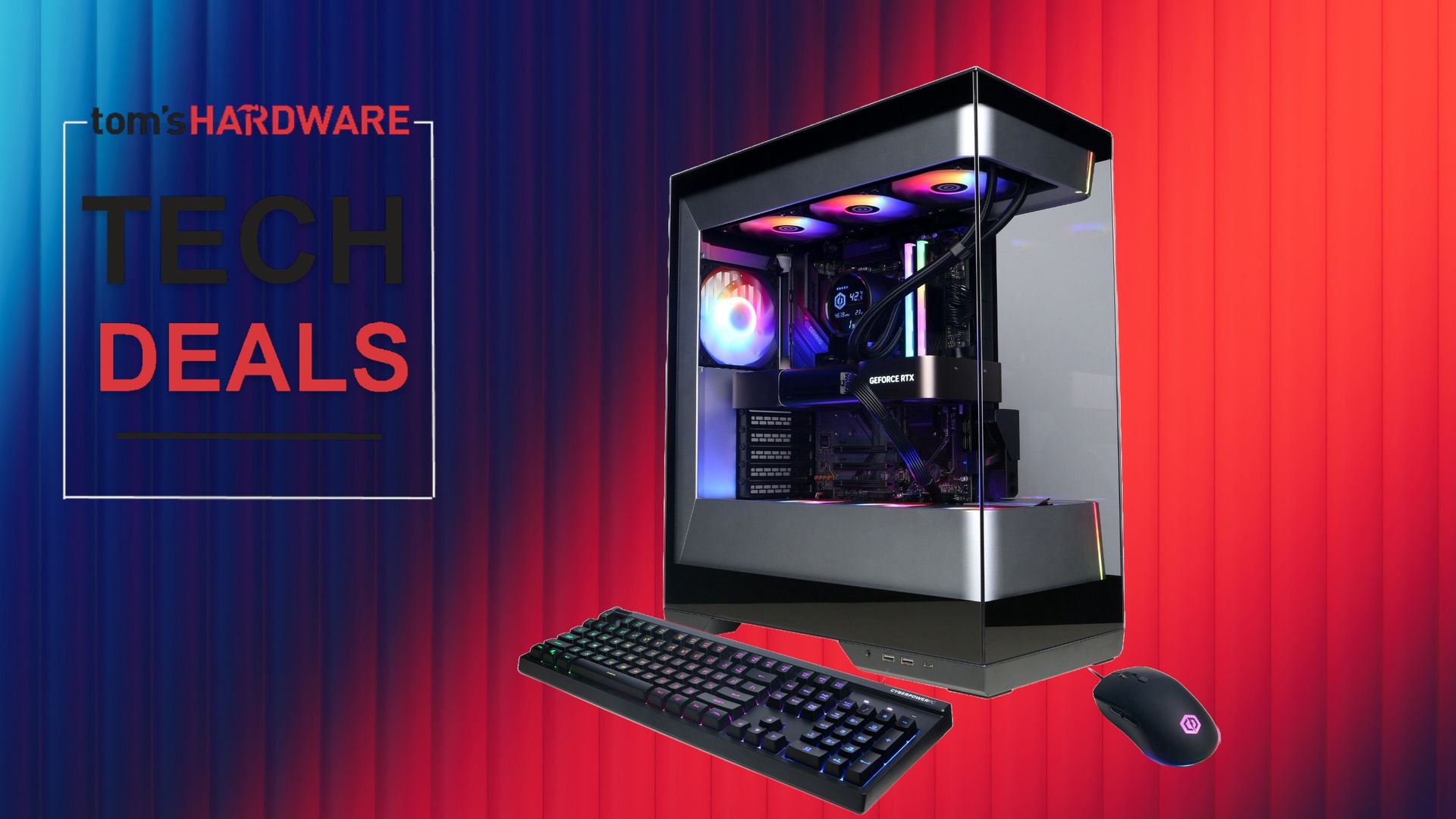
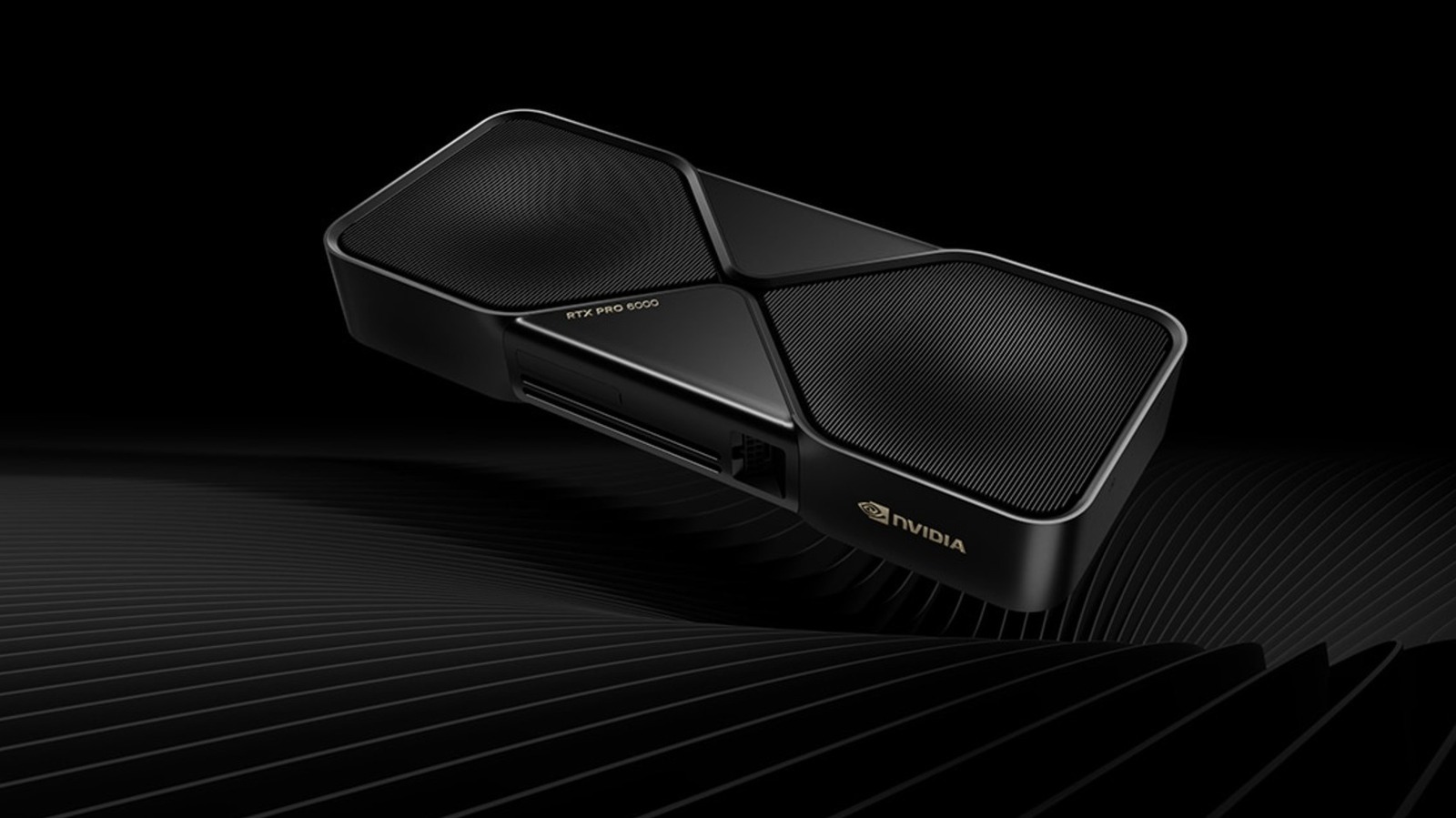
Tom's Hardware reported that Walmart is selling a CyberPowerPC gaming PC with a Ryzen 7 9800X3D, a GeForce RTX 5080 Founders Edition, 32GB of DDR5-6000 memory, and a 1TB PCIe 4.0 SSD for $2,299. The piece framed it around the world's fastest gaming CPU and a DLSS 5-capable GPU.

That price is the most concrete number in any of these stories, and it is instructive. A fully loaded gaming desktop at $2,299 is not an outrageous figure for the components listed - the 9800X3D and the 5080 are both high-end parts. But it confirms where the performance conversation sits in late 2026. The system that gets described as a powerhouse is a $2,299 system. The CPU inside it is described as the fastest gaming CPU available, and that chip is not the thing being discounted. It is the reason the build can be sold at that price at all.
Compare that with the Mac Mini's $899 starting point and the Motorola phone's still-unannounced price. Different form factors, same shape: the chip is the headline, and the headline costs more than it used to.

Why the Middle Is Thinning

Taken together, the three stories describe a market where the interesting silicon lives at the top and the acceptable silicon lives higher than it did before. There is very little in the material about the genuinely cheap end. No story here is about a $300 phone with a good mid-range chip, or a $500 desktop that is fast enough. The coverage is about the Extreme Gen 6, the M6 with a 12-core CPU, and the 9800X3D paired with a 5080.

That is partly a function of what gets covered. Enthusiast launches are news; commodity refreshes are not. But the effect on US consumers is real. If the products that get announced and reviewed are the expensive ones, the reference point for what a new computer or phone costs shifts upward. The Mac Mini comparison shows the shift already happened: a machine that was a value recommendation at $599 is now a $899 machine that might be overkill for the person it used to suit.

For US technology companies, the dynamic cuts both ways. Qualcomm benefits when its most expensive chipset is the one that defines a flagship. Motorola benefits from the halo. But the absence of a cheap, capable desktop in this material suggests that the volume end of the market is being served by older parts rather than new ones. That is a business that works until the old parts run out.

What the Material Supports, and What It Does Not

It is worth being precise about what these three stories actually establish. They establish that the top-end Snapdragon 8 Elite Extreme Gen 6 has a launch device in the Signature 27, with price and release date unknown. They establish that the M6 Mac Mini starts at $899 with a 12-core CPU and 12-core GPU. They establish that a specific CyberPowerPC with a 9800X3D and RTX 5080 sells for $2,299 at Walmart.

They do not establish a market size, a unit forecast, a margin figure, or a trend line. Three data points are not a curve. The argument here is about positioning, not about volume. The positioning is consistent: the chip is the reason to buy, and the chip is the expensive part.

What to Watch

The next signal will be the Signature 27's price. If it lands high and stays high, the flagship tier is doing what the desktop tier already did - moving the entry point for a new device upward. The second signal will be whether a cheaper Mac configuration appears below the $899 M6 model, which would show that the floor is still being defended rather than abandoned. The third will be whether the 9800X3D-and-5080 class of build holds near $2,299 or drifts, because that is the clearest public number for what a high-end CPU now costs inside a complete system. Until those numbers move, the pattern holds: the silicon at the top is getting the attention, and the silicon in the middle is no longer cheap.

More on this beat: Hardware on TechManNews.

#CPUs#processors#Qualcomm Snapdragon#Apple Silicon#AMD Ryzen#PC pricing

Newsletter

Get Tech News in Your Inbox

The latest AI, gadgets, software and startup stories from TechManNews, delivered every morning - free.

The CPU Price Ladder Is Bending at Both Ends | TechManNews