The Thread
Three stories logged on this beat share one pattern: the personal computer industry is losing confidence in AI as a marketing label and rediscovering it as a background utility. Microsoft has quietly removed Copilot+ branding from new laptops even where the hardware still qualifies, battery habits remain the question users actually ask about their MacBooks, and Amazon is now pushing AI at sellers as an operational tool rather than a product category. The label is fading; the plumbing is not.
The Badge Loses Its Power
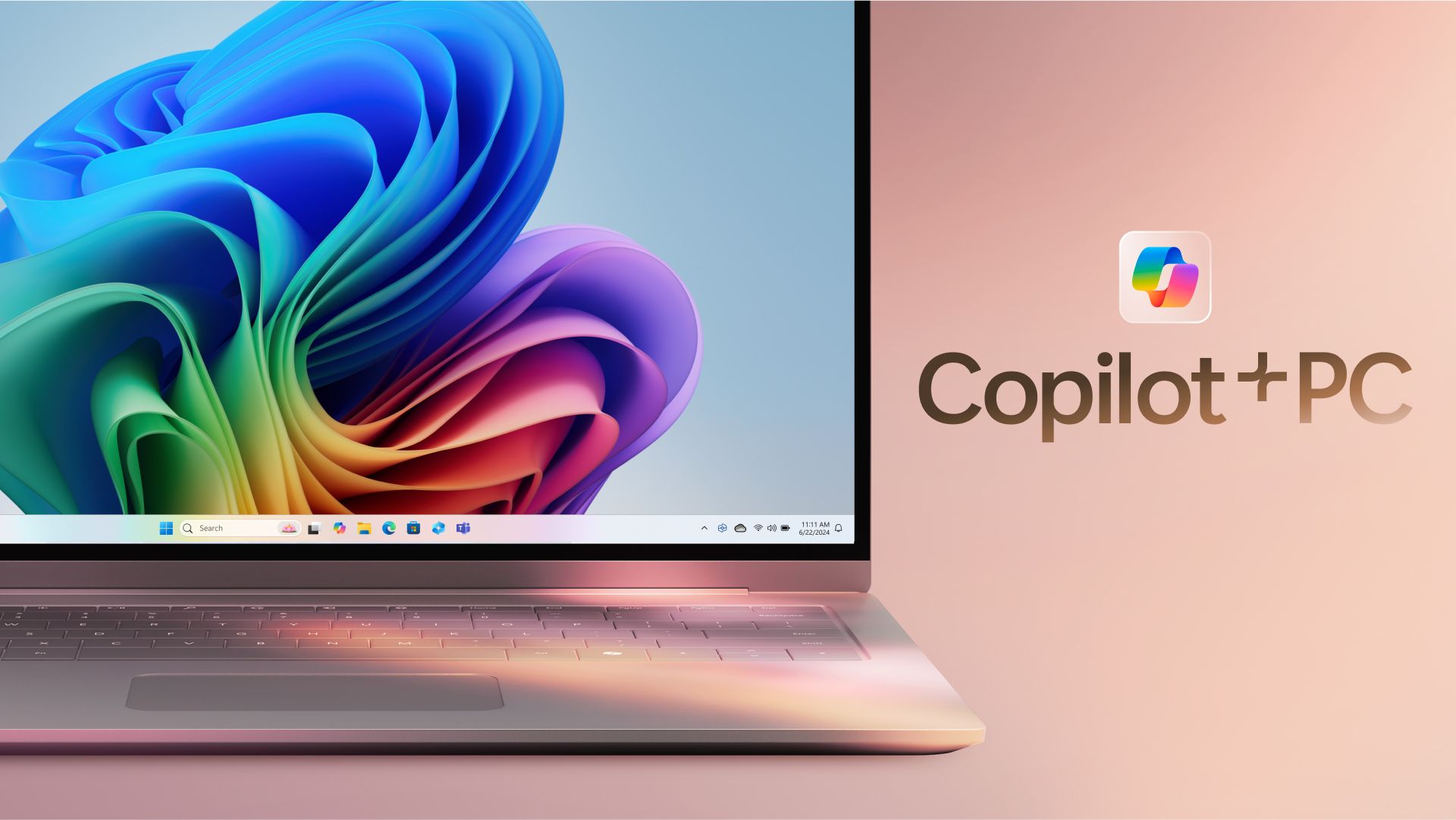
The clearest evidence comes from Tom's Hardware, which reported that Microsoft's latest Surface laptops dropped the Copilot+ PC branding despite meeting the minimum requirements. That is a notable reversal. Copilot+ was introduced as a badge meant to separate a new generation of machines from everything that came before it, and it was attached to specific silicon and neural processing capability. When the company that invented the badge stops putting it on its own flagship hardware, the badge has stopped doing work.
Tom's Hardware also noted that even high-end AI devices such as the Nvidia RTX Spark and Microsoft's own Project Zenith are noticeably missing the label. Those are precisely the machines one would expect to carry it. Their omission suggests the branding is being managed down rather than rolled out, which is a different thing from a product being cancelled. The hardware has not changed. The story Microsoft wants to tell about the hardware has.
What Buyers Actually Ask About
The second story explains why. Engadget's treatment of sleep mode versus shutdown on a MacBook is not an AI story at all, yet it belongs in the same pattern. It addresses a question owners genuinely have: whether to close the lid or power down, and how that choice should shift with circumstances. It is a question about battery, longevity and daily habit, not about intelligence.
That is the market the PC industry is actually selling into. Buyers in the United States are weighing machines on price, battery life, repairability and whether the software they already use runs well. A neural processing unit does not answer any of those questions on its own. When the most useful laptop guidance of the week is about when to shut the machine down, the gap between what the industry promotes and what buyers evaluate is plain.
The Utility Moves to the Back Office
Amazon's announcement at its Accelerate seller conference extends the pattern past the device. As SiliconANGLE reported, the company introduced a plugin that lets independent sellers run their businesses through AI assistants, alongside automations that help them monitor operations. The framing is instructive: AI appears as a tool inside an existing workflow, not as a category the seller is asked to buy into.
That is the same move Microsoft appears to be making with laptop branding, in reverse. Amazon is not asking sellers to care about AI. It is asking them to care about the chores AI can absorb. For US small and mid-sized sellers on Amazon's marketplace, the practical question is whether the automations reduce the labour of monitoring a business, and whether the assistants are reliable enough to delegate to. The branding question does not arise.