The recent run of wearables coverage points to one conclusion: the hardware is no longer the story. What matters now is the feature layer on top of it, and whether that layer works reliably enough for American buyers to trust it. A headphone that links to a soundbar, a smart glasses platform bracing for regulatory scrutiny, and a watch that caught a heart condition in a healthy adult all describe the same shift. The device is the delivery mechanism; the capability is the product.
Reliability Is the Real Upgrade
Engadget's review of the Sonos Ace Ultra frames the new model as an obvious upgrade over the original Ace. The detail that carries the most weight is not a driver or a materials change but headphone linking, which the review says performs reliably already, even in its early phase. That phrasing matters. In wearables, a feature that works most of the time is barely a feature at all, because the user is wearing it against their body and expects it to behave. Reliability during an early phase is a meaningful signal for a US market that has spent several product cycles learning to distrust launch-day promises. The Ace Ultra is still a pair of headphones, but the reason to choose it is increasingly a software relationship with other devices in the home. That is a harder thing to demonstrate on a spec sheet and a harder thing for competitors to copy quickly.
The Watch Earned Its Place by Being Clinical
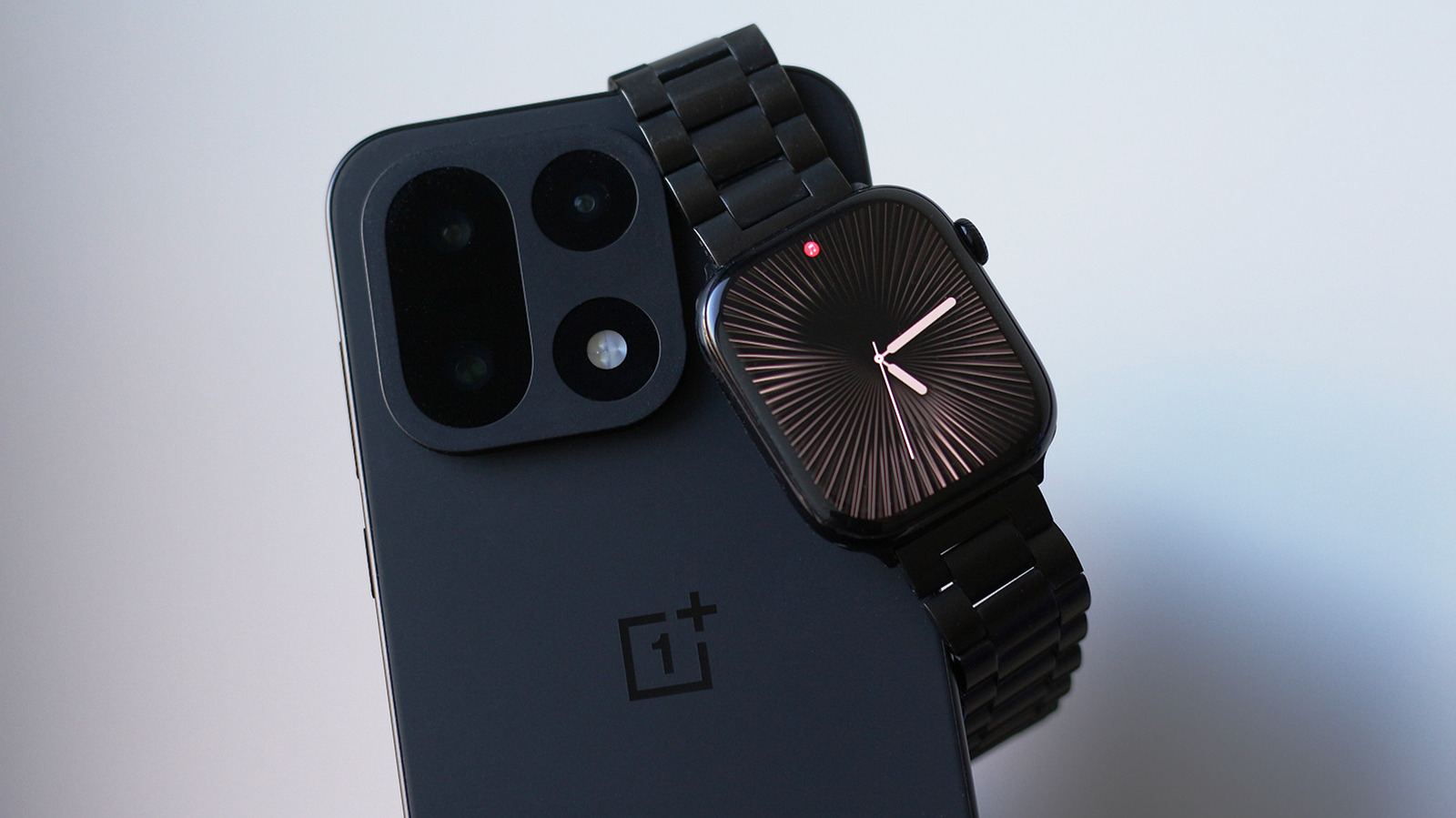
CNET's account of testing the Apple Watch ECG feature is the clearest illustration of the thread. The writer describes being a healthy, active 30-year-old and expecting anything but to become part of the story, and then having what CNET calls an OMG moment at the doctor's office. The significance is not that a wearable saved a life, which would be a familiar marketing beat. It is that the feature produced a result a clinician could act on, in a person who had no reason to suspect a problem. For US consumers, that reframes the watch from a fitness accessory into something closer to a screening tool that happens to also count steps. It also raises the stakes on accuracy, because a feature that generates clinical attention has to be right far more often than a step counter does. The story is a reminder that the most persuasive wearable marketing in the US is no longer a launch event but an individual's medical experience, repeated at scale.
Glasses Are the Next Test of the Same Idea
The Verge's preview of Meta Connect 2026 notes that the event arrives with the company's major focus on AI and wearables like smart glasses, and that updates from CEO Mark Zuckerberg and his team on those categories seem likely. The same preview notes the company has been facing significant scrutiny because of how some users have used the products. That combination is the central tension for the next wave. Smart glasses carry the feature layer further than any wearable before them, because the capability is ambient, always on, and pointed at the world rather than at the wearer's wrist. If the value of a wearable now sits in what it does after purchase, then glasses concentrate both the upside and the risk. For US technology companies, the lesson from the watch is that a capability earns adoption when it produces something verifiable. The lesson from the scrutiny is that a capability with social consequences earns regulation and press attention faster than it earns trust.