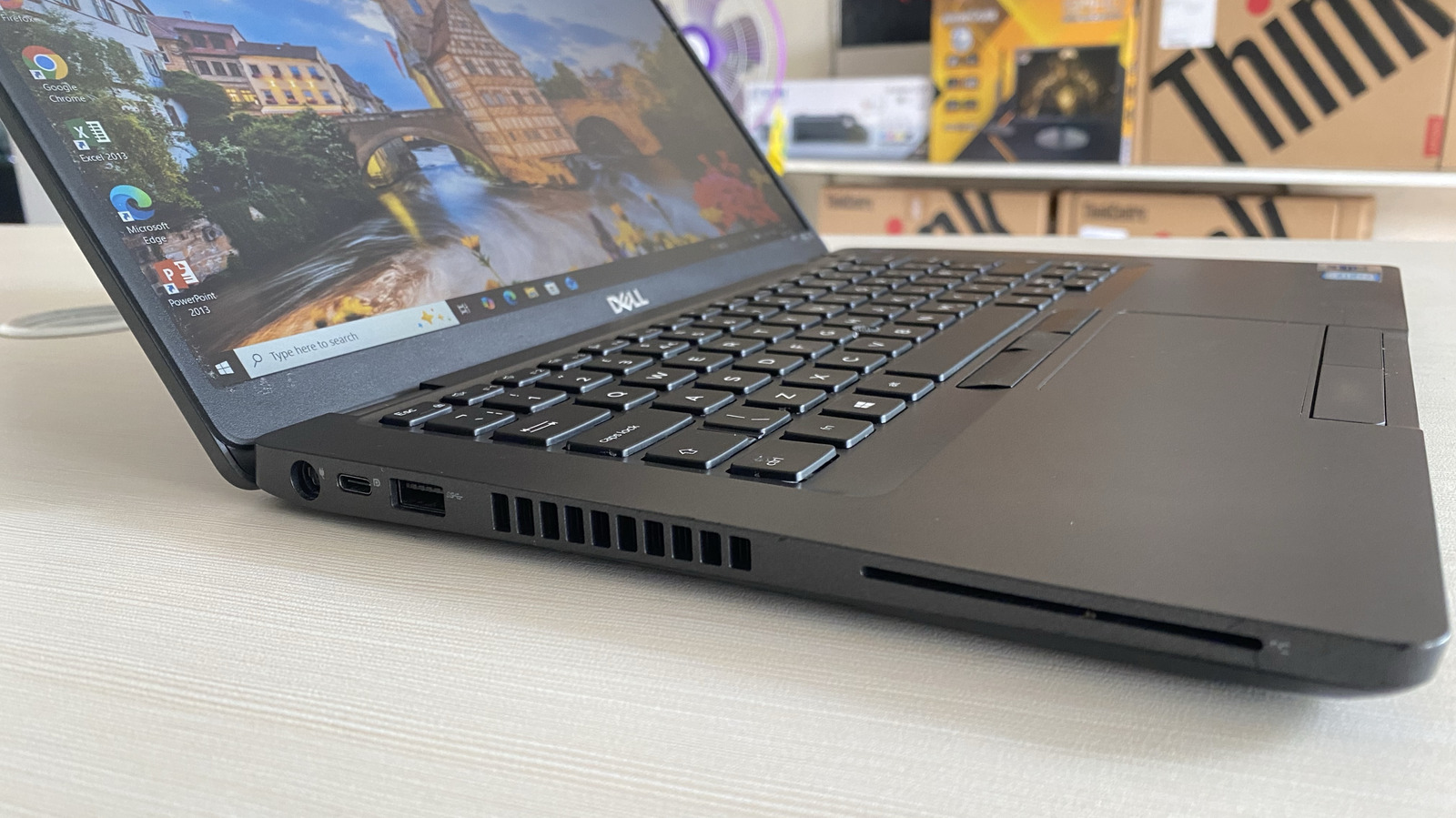
The pattern in the recent laptop and PC coverage is not about any one product. It is that the personal computer is drifting away from the sealed appliance model and back toward something owners assemble, configure, and maintain themselves. Whether the subject is an obsolete slot, a home-built small-form-factor machine, or research software that produces a working website, the assumption underneath each story is that the user will do more of the integration than the vendor does.
Hardware That Invites a Second Look
The clearest evidence is the least glamorous. Engadget's piece on the SC port found on older laptops exists because a credit-card-sized slot has become unfamiliar enough to need explaining. That is a notable marker of how completely the mainstream laptop market standardized on a small set of connectors and sealed chassis. A port that once had a purpose now reads as a mystery to the people who own the machine.
For US consumers, the practical consequence is a used and refurbished market full of capability nobody knows how to use. Buyers who treat older laptops as disposable are often discarding expandability that current thin-and-light designs do not offer at all. The value is real, but it is locked behind knowledge, which is exactly the kind of knowledge the market stopped supplying when it stopped shipping those ports.
Small Footprint, Real Trade-offs
The same tension appears in Engadget's treatment of building a mini PC. The appeal is obvious and physical: a tiny footprint on a desk or under a television. The caveat is that the build is harder than the pitch suggests, which is a polite way of saying the category asks the buyer to absorb decisions that a large manufacturer would normally make for them.
This matters specifically in the United States because mini PCs occupy an awkward position in the retail landscape. They are not quite the commodity that a mainstream desktop is, and they are not quite the hobbyist project that a full custom build is. The buyer who commits is effectively acting as their own integrator, balancing component choice against thermal limits and physical space. That is a genuine skill, and the story's warning suggests it is not one most shoppers arrive with.
The Software Version of the Same Problem
The third story moves the pattern from hardware to workflow. Engadget reported that Gemini Notebook's newest feature can turn research into an interactive site with visual aids and interactive elements, and it added a caution: double-check its work. The tool lowers the cost of producing something that looks finished, and it simultaneously raises the cost of verifying that it is correct.
That is the same trade as the mini PC and the abandoned port. Capability is being pushed outward to the user, and the user is expected to supply the judgment that used to be baked into the product. A website assembled from research is only as good as the researcher's willingness to audit it, and the outlet's own advice makes clear that the audit is not optional.