The PC hardware industry's three most recent consumer-facing stories are not really about subsidies, memory bandwidth, or thermal sensors. They are all attempts to rebuild credibility with the person who actually owns the machine or lives beside the building. Amazon is trying to buy back the goodwill of host towns, as Tom's Hardware reported, while Engadget is answering the questions users ask in their own language: whether DDR5 speed matters and how to check a CPU's temperature. The unifying thread is that hardware vendors and the publications that cover them are done assuming trust is automatic.
Goodwill as Infrastructure
The most striking item is Amazon's decision to end secret data center pacts and pledge $1 billion to host towns through an AWS Data Center Commitment program, as Tom's Hardware reported. That is not a marketing campaign. It is an admission that the old playbook, in which operators negotiated quietly and disclosed as little as possible, has stopped working. When the AI buildout pushes facilities into more communities, the number of people with a direct stake in the terms rises accordingly. A secret pact can survive when a facility is remote. It struggles when the neighbors include voters, local officials and reporters.
The $1 billion figure matters less than the change in posture. Amazon is not simply paying a fee; it is conceding that data centers create obligations to the places that host them. For US technology companies, that is a meaningful shift. It raises the baseline for every operator that follows. If the largest cloud provider concludes that transparency plus direct payments is the cheaper path, the same expectation will be applied to smaller competitors. Host towns now have a template and a precedent to cite in negotiations.
The Consumer Question Behind the RAM Story
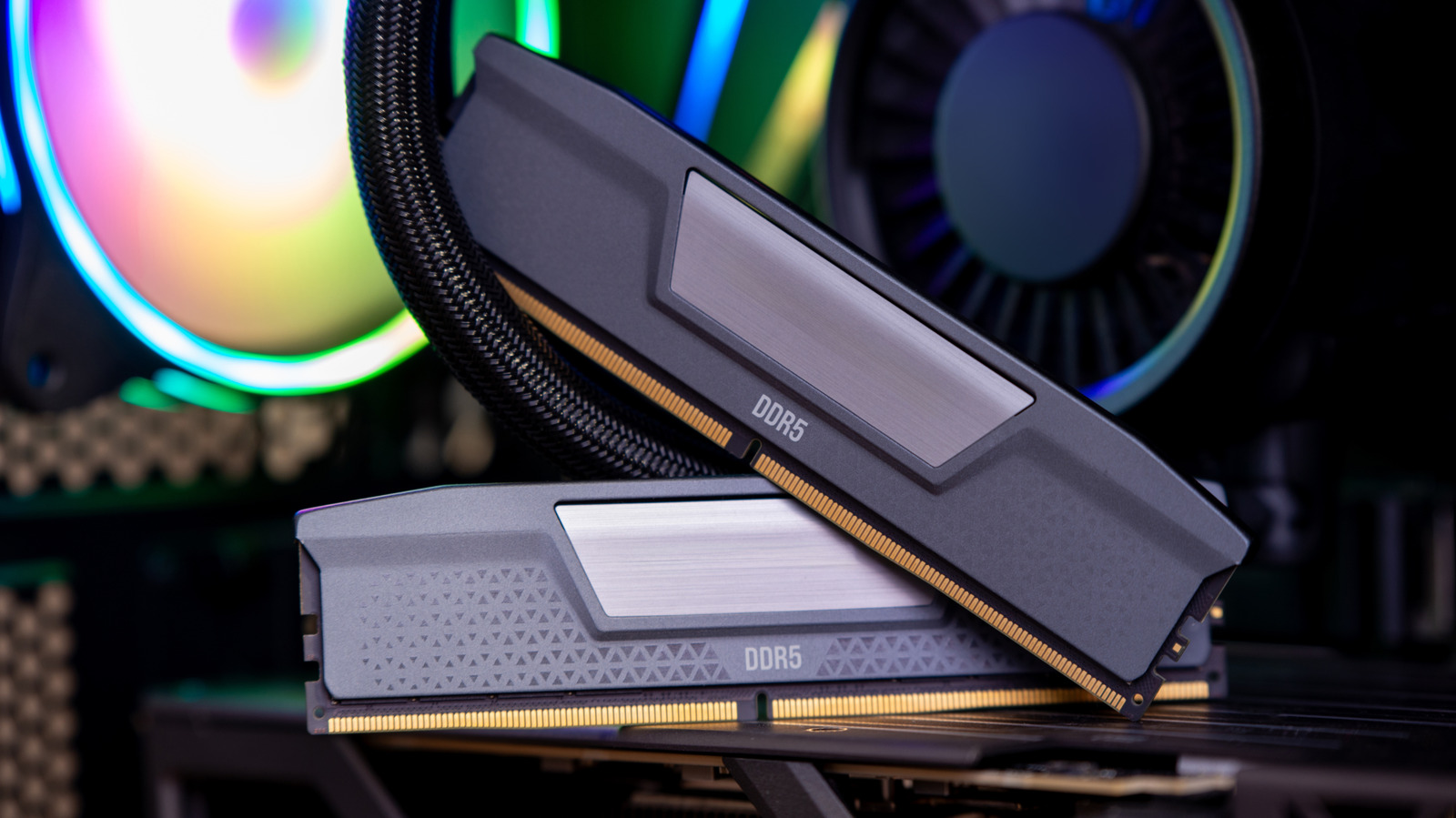
Engadget's explainer on DDR5 RAM speed is usually filed as a buying guide. Read next to the Amazon story, it looks like something else. The underlying question, whether memory bandwidth and latency actually change gaming frame rates, is what a cautious buyer asks when they suspect they are being sold an upgrade they do not need. That suspicion is rational. Memory has become one of the more confusing corners of the desktop market, where identical capacities carry different speeds, different timings and different prices.
The useful part of the explainer is that it treats the answer as conditional. That is the correct posture for a market in which users have learned to distrust blanket claims like "faster is always better." For US consumers, the practical effect is that they are being invited to reason about their own workloads rather than accept a specification sheet as an argument. For US companies, it is a reminder that the upgrade cycle depends on buyers believing that the improvement is real. When publications have to explain why a faster part might not change a game's performance, the marketing language has already lost some altitude.
Temperature as a Trust Metric
Engadget's guide to checking a CPU's temperature looks like routine service journalism. It is also an indicator of where user anxiety sits. People check temperatures when they suspect a machine is not performing as promised, or when they have built or bought a system and want independent evidence of its condition. The story points to free software that helps users keep tabs on their computer's health, which places diagnostic capability in the hands of the owner rather than the vendor.