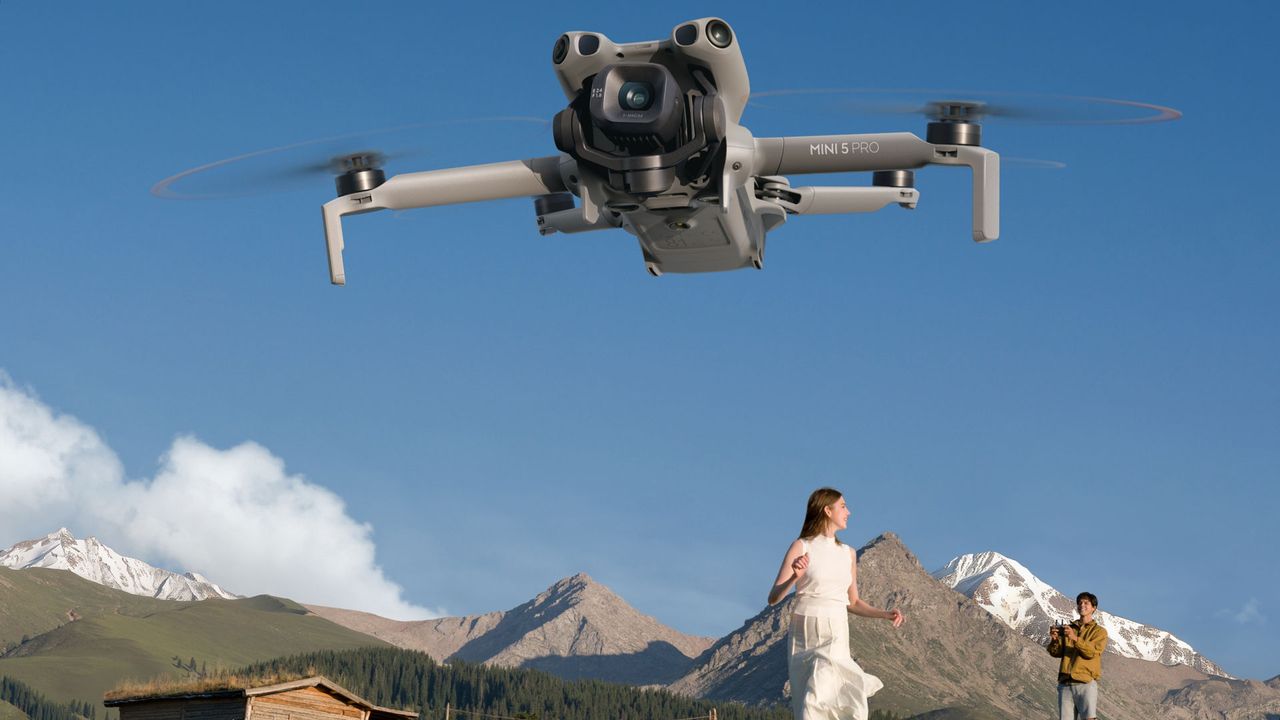
The most consequential technology story of the moment is not a product launch or a software update. It is the quiet, accelerating construction of walls around the American hardware market. A new tariff schedule that hits imported drones with rates up to 100%, combined with a congressional push to ban Chinese-made cars over data privacy concerns, points to a single, unmistakable pattern: the United States is treating the provenance of connected technology as a national security issue, not a trade issue. That shift, visible across the stories logged on this desk, will reshape how US technology companies source components, how they design products, and what American consumers can buy at what price.
The Drone Precedent
As Tom’s Hardware reported, the Trump administration has imposed tariffs of up to 100% on imported drones and critical components. The stated rationale is national security, and the move is explicitly aimed at reducing US reliance on Chinese drone technology while rebuilding a domestic supply chain. Notably, products from allied nations face only a 10 - 15% rate, which suggests a tiered approach: friends get a discount, but the overall trajectory is protectionist. This is not a narrow trade dispute. It is a template. Drones are consumer gadgets, commercial tools for agriculture and delivery, and military assets all at once. By applying the highest tariff rate to them, the administration is signaling that any hardware with dual-use potential - meaning almost any connected device - can be swept into the same logic.
The component clause matters as much as the finished product. Tariffs on “critical components” will raise costs for any US manufacturer that builds drones, robots, or other automated systems from imported parts. That includes companies that do final assembly in America but rely on Chinese motors, cameras, sensors, or flight controllers. The intended effect is to make domestic sourcing economically viable, but the immediate effect is higher input costs for US firms, which must either absorb the margin hit or pass it to buyers. For a market that has come to expect inexpensive, capable consumer drones, the price floor just moved up.
Cars Are the Bigger Test
If drones are the opening move, automobiles are the main event. As CNET reported, Chinese-made cars are already blocked from the US market by high tariffs, but Congress is weighing an outright ban, with the stated justification being data privacy. That is a notable escalation: tariffs are a economic tool, but a legal prohibition is a political declaration. A ban would not simply raise the price of a Chinese EV; it would make its presence on US roads illegal. The data privacy rationale is broader than traditional automotive concerns like crash safety or emissions. It argues that a vehicle - which collects location data, driving habits, biometrics, and links to a driver’s phone - is an intelligence-collection platform, not just a mode of transport. Under that reading, every Chinese-made car is a potential surveillance node.
This reasoning has direct consequences for US consumers. Chinese automakers have led the global market on affordable electric vehicles, and their absence from US showrooms - whether through tariffs or a ban - means US buyers will have fewer low-cost EV options. It also pressures US automakers, who must increasingly justify their own foreign component sourcing. If a car is designed in Detroit but contains Chinese-made software or telematics hardware, does it fall under the ban? The current material does not answer that question, but it is the logical next one regulators will face.
The Fragmentation of the US Tech Supply Chain
The common thread is the end of the assumption that the cheapest global supplier is also the safest one. For US technology companies, this creates two parallel supply chains: one for domestic or allied sources, and one for everything else. That split is expensive. It means duplicating engineering efforts, validating new suppliers, and carrying more inventory as a buffer against policy changes. The drone tariff structure - high for China, moderate for allies - already encodes this hierarchy. The car ban proposal suggests Congress is willing to go further than tariffs, to outright exclusion.
This is not isolated to hardware. The enterprise computing story from SiliconANGLE about Lightedge and hybrid cloud optionality is not a direct policy story, but it reflects the same underlying unease. Enterprises are distributing workloads across private clouds, public clouds, and colocation facilities because no single placement strategy fits all requirements. Latency, security, compliance, and proximity all matter. That logic now extends to geopolitics. A US company running workloads on a Chinese-owned cloud, or using Chinese-made servers in its own data center, faces a new class of risk - not just technical, but legal and regulatory. The Lightedge story does not mention China, tariffs, or bans. But its core premise - that workload placement requires careful judgment based on security and compliance - is precisely the mindset that the drone and car actions will force onto every hardware purchasing decision. The enterprise stack is becoming as fragmented as the trade map.
