The Thread: Apple Is Erasing the Lines Between Its Devices
The four stories logged on the gadgets desk over the last two days are not isolated updates. They all point to a single pattern: Apple is quietly repositioning its hardware lineup so that each device can stand in for another, while still locking users deeper into a single, integrated ecosystem. From price-tracking tools that work across iPhone, iPad, and Mac, to an iPhone feature that lets two physical phones share one number, to a diagnostic menu hidden inside every MacBook, to a rugged watch that may outmuscle the flagship model in the same season - Apple is no longer selling devices so much as selling a seamless, self-repairing, continuously connected personal grid. For US consumers, this shift matters because it changes the cost of switching, the pace of upgrades, and the way ownership feels.
A Single Number, Two Phones: The End of the Primary Device
The most striking example comes from The Verge’s report on iPhone Handoff, a feature in the upcoming iOS 27. As The Verge noted, the feature was only briefly mentioned at the WWDC keynote in June, but a new demo clip shows how it works. Handoff lets a user switch between two phones using the same number. That is a profound change from the industry’s long-standing assumption that one phone is the sole anchor of a person’s identity. With Handoff, Apple is acknowledging that many US consumers now carry both a personal and a work phone, or an older and newer model, and it wants them to treat both as a single logical device. This eliminates the usual pain of swapping SIMs or forwarding calls, but it also means that both phones must be part of the same Apple account and same ecosystem, making it harder to mix an iPhone with an Android handset as a secondary device. The practical effect is that Apple is reducing the friction of owning multiple Apple phones, thereby encouraging users to buy more of them without fear of managing separate numbers.
Tooling for Continuity: Price Alerts and Diagnostics as Ecosystem Glue
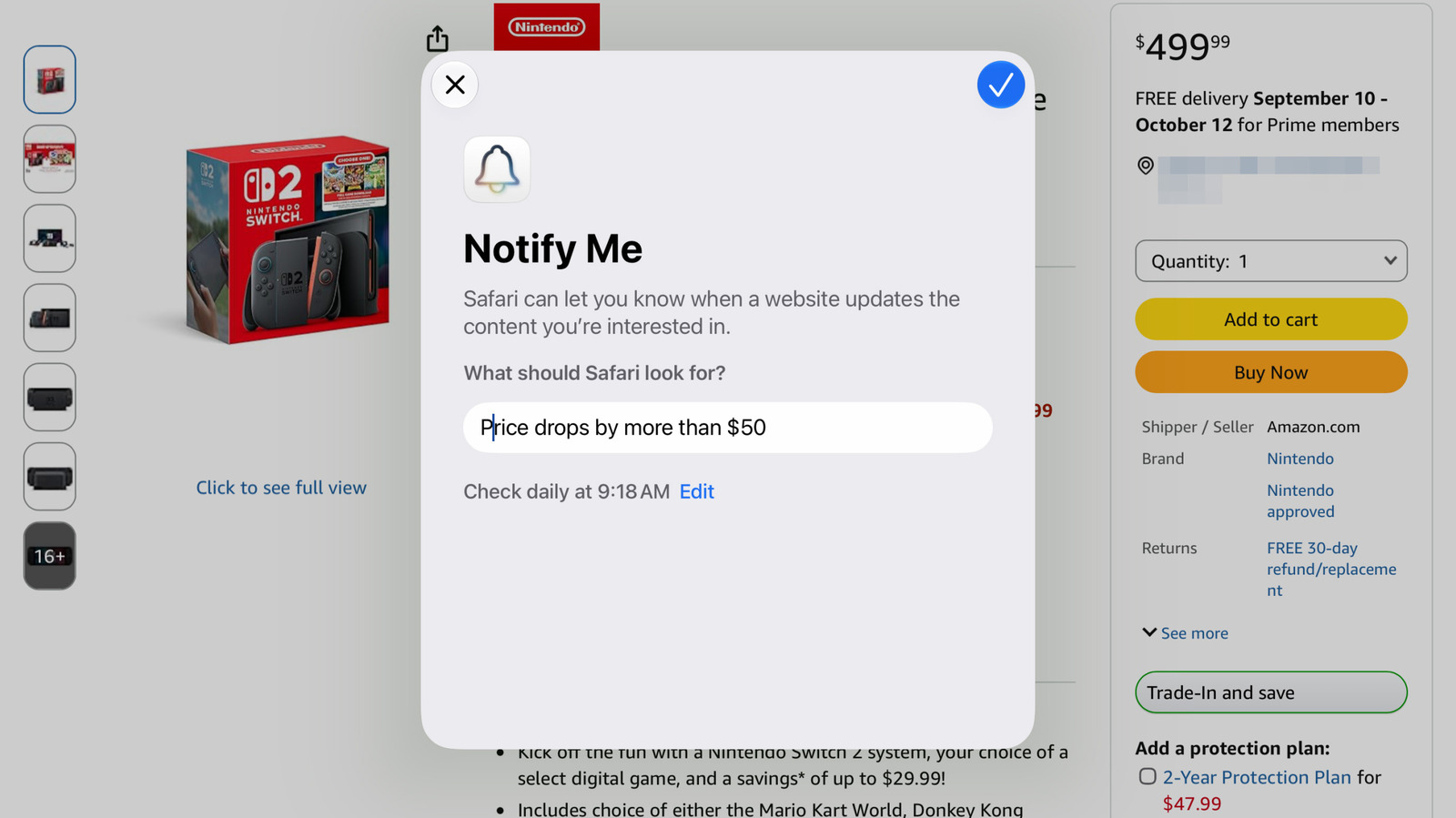
Safari’s Notify Me feature, as reported by Engadget, appears minor on its face: a tool to track product prices and stock across the web. But the deeper point is that it works across iPhone, iPad, and Mac, meaning a user starts the tracking on one device and receives updates on all of them. That is not a standalone utility; it is a continuity feature disguised as a shopping helper. Similarly, Engadget’s piece on Apple Diagnostics for MacBooks shows that Apple is making hardware troubleshooting more accessible to end users. Diagnostic menus have historically been reserved for technicians, but Apple is now surfacing them for consumers, presumably to ease the burden on support channels. Both features encourage self-sufficiency within the Apple world: a user can manage purchases and hardware health without leaving Apple’s software environment. For US consumers, this reduces the perceived cost of owning older Macs or iPhones, because they can diagnose issues and track prices for replacements without needing a third-party service or a Genius Bar appointment. It also increases stickiness - once a user learns to rely on these integrated tools, leaving the ecosystem becomes more costly.


