The week's software news has a common shape. In each case, something users treat as a stable, trustworthy foundation - a vendor's command-line tool, an operating system's security toggle, a car's infotainment layer, an app's early momentum - has become a point of contention. The pattern is not that software is breaking. It is that the trust relationships holding the stack together are being tested at every layer at once, and the parties who must absorb the cost are mostly US developers, US consumers, and the US platforms in between.
The supply chain reaches the command line
The OVHcloud story, as BleepingComputer reported, is the sharpest version of the problem. Attackers compromised the French cloud and hosting provider's open-source command-line interface to distribute information-stealing malware, and the tool's releases were published on GitHub. A CLI is a developer's daily instrument; it sits close to credentials, configuration, and access to cloud accounts. When that instrument is backdoored, the exposure is not abstract.
For US technology companies, the lesson is familiar but no less uncomfortable: open-source distribution channels are production infrastructure, and they are defended like side projects. The compromise did not require breaking into a customer's network. It required poisoning a tool that customers were already inclined to run. Developers routinely install and update CLIs with the same reflexive trust they once gave to signed binaries from a single vendor. That reflex is now a liability.
The US-specific angle is density. American cloud spending and developer tooling consumption are heavily concentrated in a small number of platforms and package registries. A single compromised release can travel through CI pipelines and onto laptops at thousands of firms before anyone reads a changelog. The source-of-truth problem is no longer confined to npm-style package registries; it extends to vendor-maintained tooling that developers treat as first-party.
The security toggle that will not toggle
The Windows story points at a different kind of trust: the assumption that a security setting, once offered, works. As ZDNET reported, a bug in Microsoft's October Windows update prevents users from turning on a setting that blocks malicious or suspicious apps, and a registry hack fixes the glitch.
This is a smaller event than a backdoored CLI, but it lands on the same nerve. Security controls are only as good as their reliability, and reliability failures erode the habits that controls depend on. A user who cannot enable a protection through the normal interface, and who is told the remedy is a registry edit, is being asked to accept risk and complexity at the same time. Most will not do the registry edit. Some will assume the protection is on when it is not.
For US consumers and IT administrators, the practical consequence is a widening gap between the security posture Microsoft says it offers and what is actually running on machines. For US software vendors, it is a reminder that shipping a feature and shipping a working control are different obligations. The workaround existing does not repair the trust cost; it transfers that cost to the user.
Platforms move down a layer
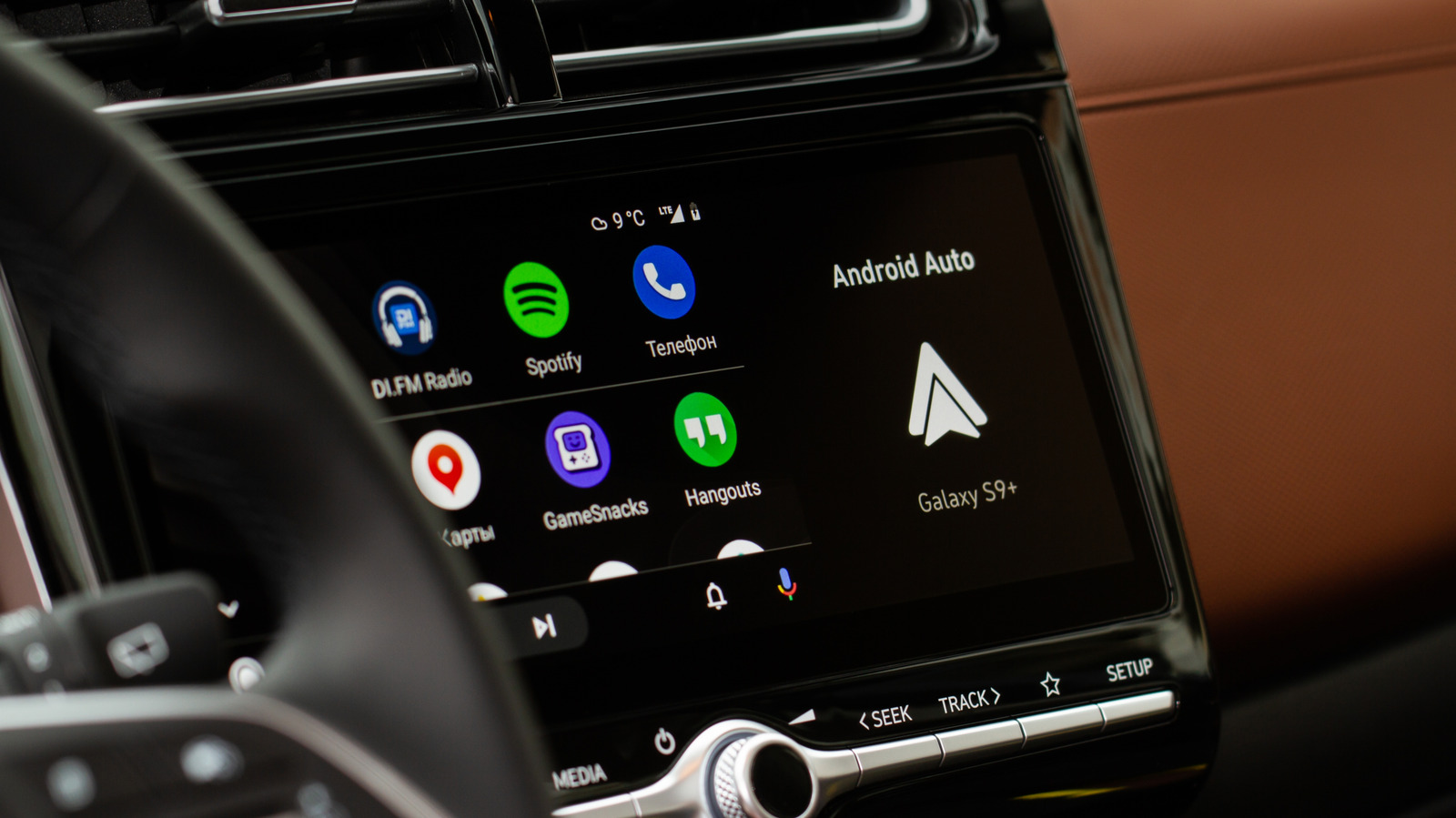
Spotify's launch, as The Verge reported, is a native in-car app built directly on Google's Android Automotive operating system, launching in select Audi models and running on the vehicle's infotainment hardware without phone tethering, Bluetooth, or aux cables. On its face this is a product story. In the pattern, it is a platform story.
Spotify is moving from a phone-mediated relationship with the car to a direct one with the vehicle's operating system. That reduces dependence on Apple's CarPlay and on the phone as an intermediary. The strategic logic is straightforward: whoever owns the layer where the app runs owns the terms, the update cadence, and the data. But the move also concentrates trust. The user now depends on an automaker's infotainment stack and Google's automotive OS to deliver an experience that previously depended on a phone the user controlled and updated on their own schedule.