The Hardware Is Ready, the Rest of the Stack Is Not

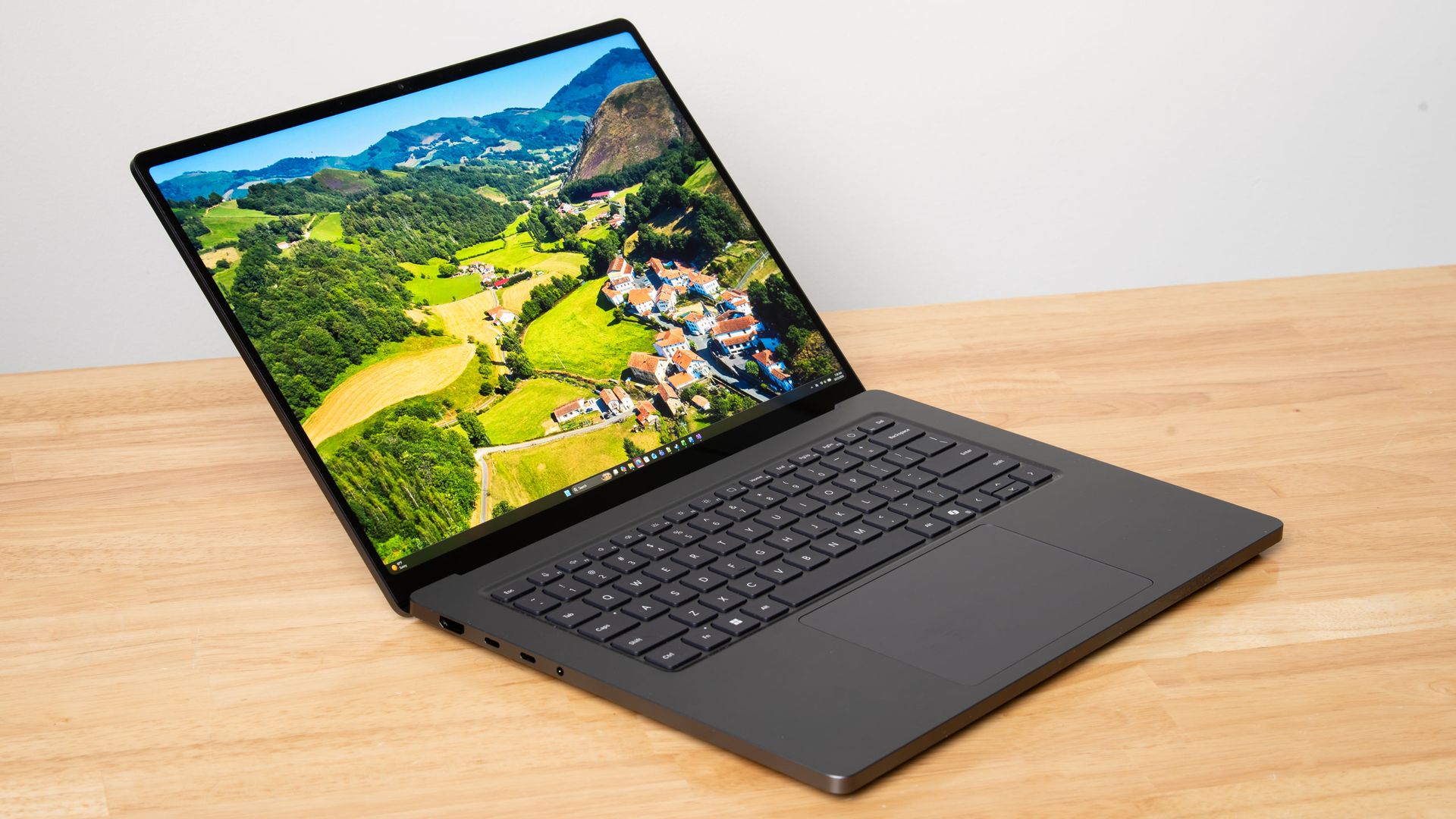
Photo: The Verge

Article

The Hardware Is Ready, the Rest of the Stack Is Not

NagiOctober 21, 20265 min read

This week's gadget news points to one pattern: device makers are shipping ambitious hardware years ahead of the software, pricing and platform support that would make it pay off.

The gadget stories landing this week share a single thread: the hardware is arriving before everything that would make it useful. Microsoft's reported roadmap stretches years out and hinges on an expensive console; Apple's first foldable is praised as hardware while its software lags; Amazon's Alexa upgrades are capability without a clear reason for most people to care. Across the desk, the products are ahead of the platforms, the prices and the everyday use cases that justify them.

Roadmaps That Outrun the Market

The clearest example is Microsoft. According to a report from Fortune cited by The Verge, Microsoft plans an Xbox "next-generation handheld device" for the holiday season of 2027, followed by a next-gen console codenamed Project Helix in the holidays of 2028. The Verge notes the report does not make clear whether a manufacturer like a third party would build the handheld. That ambiguity is itself the story: a two-year product plan announced through reporting, with manufacturing responsibility still unsettled.

Engadget adds a sharper edge. Covering details reported in a profile of Xbox's CEO, it says Microsoft is targeting a 2028 release for the next-gen Xbox, which could be incredibly expensive, with a reported figure of $1,800 circulating. Whether or not that number holds, the shape of the plan is unusual. A handheld first, a premium console second, both years away, both described through leaks rather than a launch event. For US consumers, that means a long wait framed by rumor, and for US developers it means planning against a platform whose price and form factor are not yet fixed.

A Foldable That Waits on Its Software

Apple's position is the mirror image. Wired's review of the iPhone Duo calls it an astonishingly good first foldable, then lands the caveat: iOS and third-party apps need time to catch up. The hardware, in other words, has already cleared the bar. The experience has not, because a foldable is only as good as the software that reshapes itself around the screen.

That is a familiar pattern in the US market, where Apple's advantage has long been the tight fit between device and operating system. A foldable that outpaces its own apps inverts that. Early buyers in the US would be paying for a new form factor while waiting for the software ecosystem to make the case for it. The review's verdict is not that the device fails, but that the device is ready and the rest of the stack is not.

Capability Without a Reason to Use It

The Amazon story is softer but fits the same shape. Engadget reports that Amazon Prime now comes with an Alexa upgrade, with new capabilities on Echo Show and Dot devices, tablets and the website. The framing is telling: capabilities a user might want to take for a spin. That is the language of a feature looking for a habit.

Alexa has been in US homes for years. Adding abilities is not the hard part; giving people a reason to change how they use a device they already own is. The upgrade arrives as a bundled perk of Prime rather than as a product with a clear job. The hardware and the assistant are present. The compelling daily use case is the piece still being assembled.

Why This Keeps Happening

Three stories, three categories, one structural cause. Hardware cycles are long and public, and companies commit to them years ahead. Software ecosystems, pricing decisions and consumer habits move on their own schedules, and rarely in step. When a company announces a 2027 handheld or a 2028 console, it is making a bet that the surrounding market will have caught up by then. When it ships a foldable, it is betting that developers will follow. When it upgrades an assistant, it is betting that users will notice.

For US technology companies, the risk is concentrated in the gap. A console priced toward the high end, as Engadget's report suggests, depends on US households accepting a premium during a period when the platform's own lineup is unproven. A foldable depends on US developers updating apps for a screen shape that is still rare. An assistant upgrade depends on US Prime members forming new habits. In each case, the company controls the hardware and only influences the rest.

The Consumer Calculation

For US buyers, the pattern argues for patience. The most ambitious devices described this week are either years from shelves or dependent on software that has not arrived. The foldable is the most immediate test, and Wired's review sets the terms: excellent hardware, software in progress. The Xbox roadmap, per Fortune's reporting via The Verge and Engadget's account of the CEO profile, sets the terms for the console market: a handheld in 2027, a console in 2028, and a possible price that would make it a considered purchase rather than an automatic one.

None of this makes the products bad. It makes them early relative to the things that decide whether they succeed. The companies with the strongest position are those that can close the gap fastest, not those that announce furthest ahead.

What to Watch

Three concrete signals follow from the reporting above. First, whether Microsoft clarifies who builds the reported 2027 handheld; The Verge notes the Fortune report leaves that open, and the answer shapes both price and supply. Second, whether the reported $1,800 figure for the next-gen Xbox firms up or fades as the 2028 target approaches, since Engadget attributes it to details in a CEO profile rather than a formal announcement. Third, whether iOS and third-party apps close the gap Wired identified for the iPhone Duo, which will determine whether a well-reviewed foldable becomes a well-used one. On the Amazon side, the test is quieter: whether the new Alexa capabilities on Echo Show and Dot devices, tablets and the website turn into habits rather than features to try once.

The common question across all four is the same. The hardware is largely here, or scheduled. The software, pricing and habits that make it matter are the part still in transit.

More on this beat: Gadgets on TechManNews.

#gadgets#xbox#apple#amazon#consumer tech

Newsletter

Get Tech News in Your Inbox

The latest AI, gadgets, software and startup stories from TechManNews, delivered every morning - free.