American technology companies have spent the past decade pulling more of their products in-house, from silicon to software to safety systems. The recent run of hardware-desk stories shows what that integration actually costs: ownership of the stack means ownership of the failure modes, and those failures now reach further than a single product. The pattern is not that companies are getting worse at engineering. It is that the distance between a design decision and its consequence has collapsed, and US customers are standing at the end of that shorter path.
When Vertical Integration Becomes a Single Point of Failure
Google's Pixel line once ran on Snapdragon chips, as Engadget notes in explaining why the company stopped relying on them. The strategic logic is familiar: designing your own silicon lets you tune hardware and software together, differentiate on features competitors cannot copy, and stop paying a supplier margin. But the same logic concentrates risk. A company that owns the chip, the operating system and the device has fewer parties to blame and fewer parties to absorb a shock. When something goes wrong anywhere in that chain, the buck stops inside one company, and the customer experiences it as a single product that stopped working rather than a supplier dispute they never see.
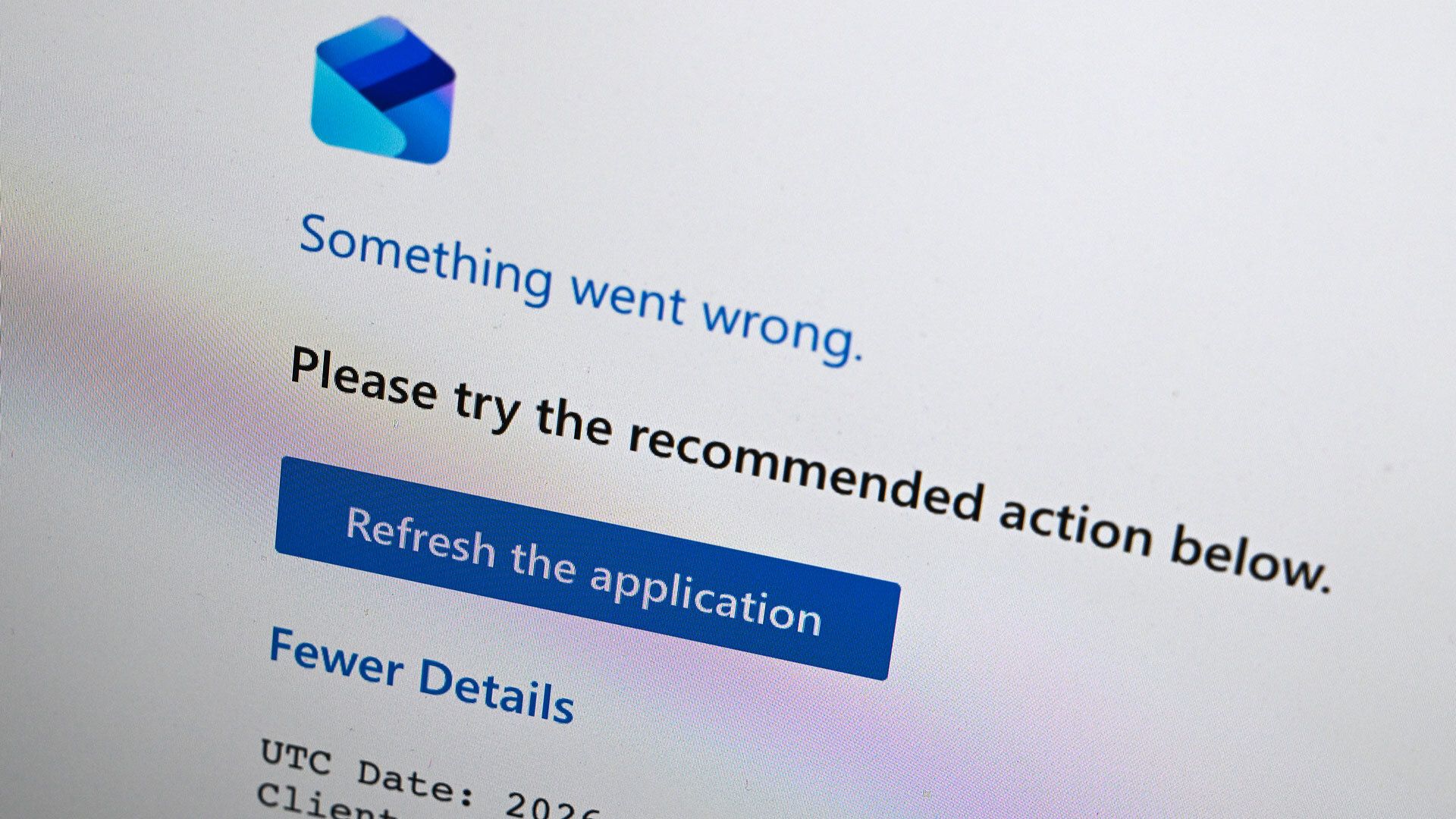
The Microsoft 365 outage that led to chlorine gas poisoning of 15 hotel guests, reported by Tom's Hardware, is the extreme version of this. A maintenance safety system depended on Outlook to send warning messages to an operator. That is not a story about email being unreliable in the abstract. It is a story about a safety-critical function being routed through a general-purpose productivity suite because the suite was already there, already paid for and already familiar. The convenience of one integrated vendor relationship quietly became a hazard.
The Support Clock Is a Product Decision
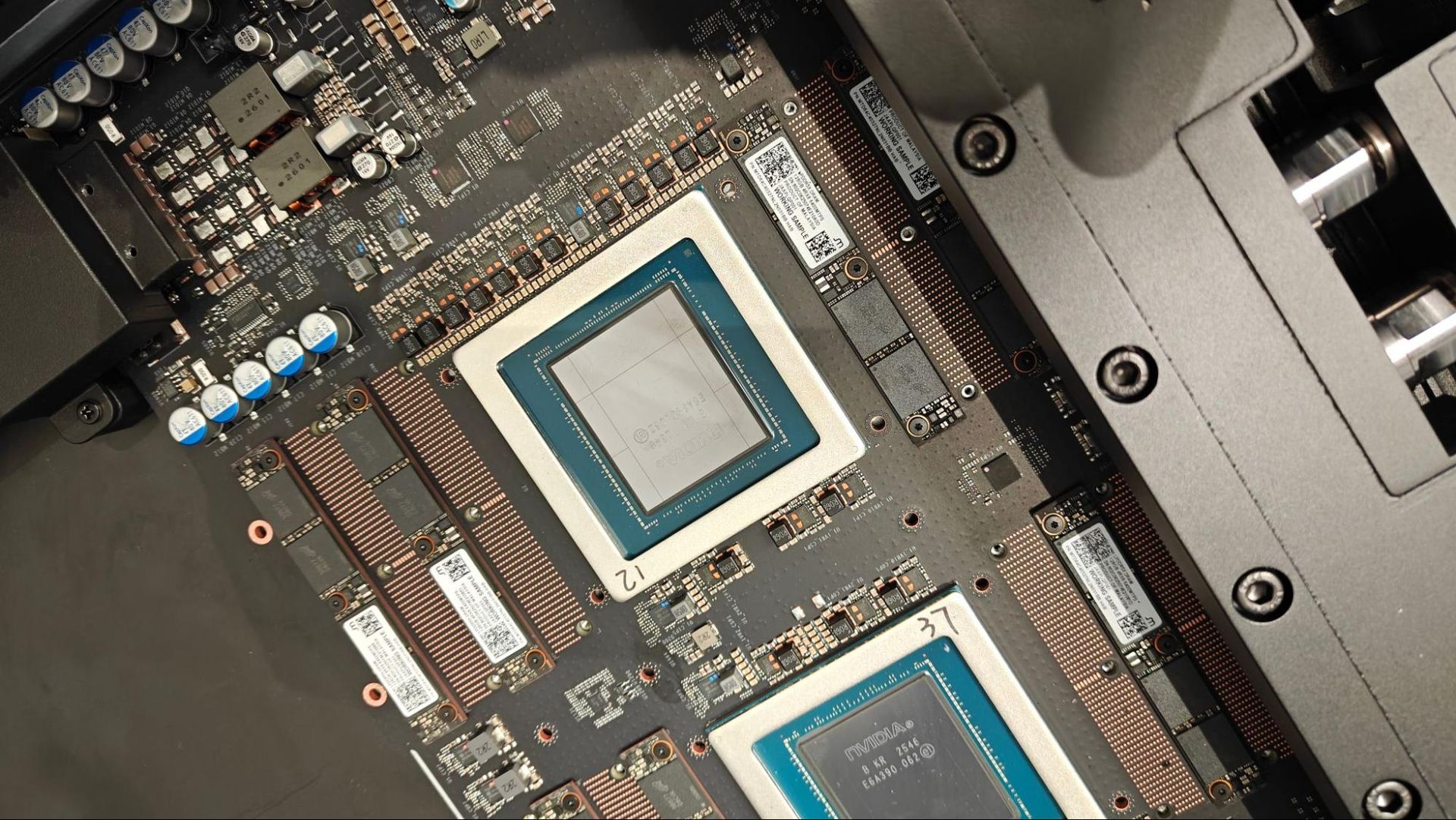
Engadget's piece on how long an NVIDIA GPU is supported makes a related point from the consumer side. Graphics cards do not carry an expiration date on the box, but support windows and driver attention determine how long the hardware stays useful. For US buyers, that reframes the purchase. The sticker price buys silicon; the support policy buys time. A card's real cost is the price divided by the years it remains properly supported, and that divisor is set by the vendor, not printed on the package.
This matters more as GPUs become general-purpose compute for AI workloads at every scale. A hobbyist, a small studio and a research lab all depend on the same driver pipeline, and none of them can negotiate its length. The integrated model that lets a vendor optimize performance also lets it decide when to stop. That is a legitimate business choice, but it shifts depreciation risk onto the customer, who cannot resell a card's remaining support life the way they can resell the card.
Market Share Is Not the Same as Health
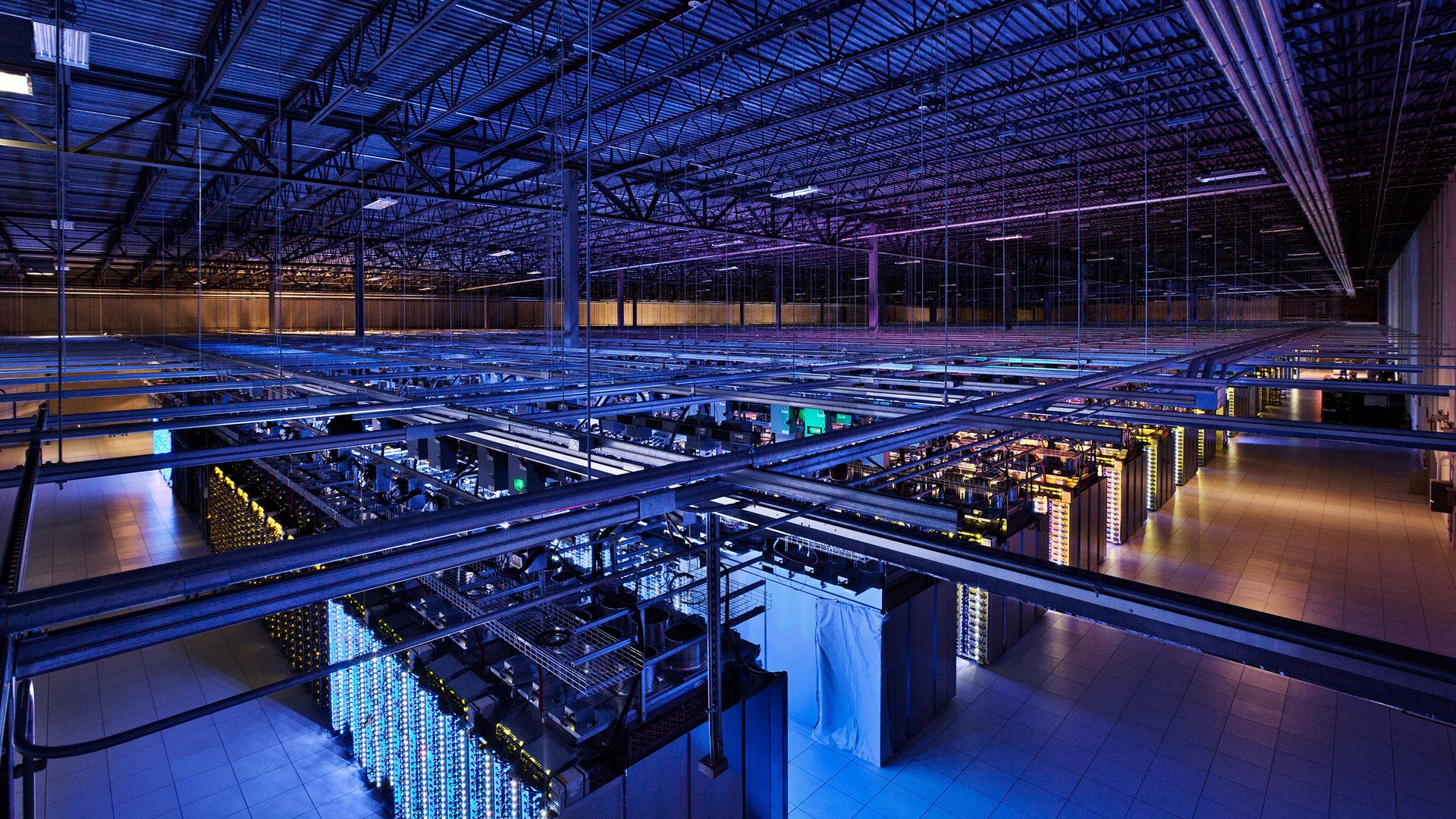
Mercury Research data reported by Tom's Hardware shows Intel reclaiming overall CPU market share for the first time since 2025, even as AMD continues to gain server share amid skyrocketing data center processor shipments and client CPU sales drop in the third quarter. Read as a scoreboard, that looks like a comeback. Read as a structural signal, it looks like a market tilting toward the data center while the client segment that most US consumers and small businesses actually buy from is shrinking.
The two halves of that sentence pull in opposite directions. Server share gains for AMD reflect demand for data center processors, which is where the money and the roadmaps are. Client CPU sales falling is where the everyday laptop lives. When the same companies serve both markets, the incentives are not symmetric. The segment with the loudest revenue gets the engineering attention, and the segment with the thinner margin gets the refreshed parts and the longer upgrade cycles. A share headline can be accurate and still tell a consumer nothing about whether the next machine they buy will be well supported.