The Consumer Software Stack Is Now a Risk Surface

Photo: Engadget

Article

The Consumer Software Stack Is Now a Risk Surface

Four recent stories show the same shift: the everyday tools Americans install and rely on are becoming channels for extraction, exposure, and lock-in.

JaysuryaSeptember 29, 20264 min read

The most important technology stories this month are not about artificial intelligence or new hardware. They are about ordinary software that Americans already have on their phones and laptops, and they share one thread: the consumer software stack has become a risk surface. Convenience features, bundled services, and third-party platforms are quietly reshaping who captures value from users and who absorbs the consequences when things go wrong. Four recent items, from Engadget, Wired, and BleepingComputer, illustrate distinct edges of the same pattern.

Debloating Is a Symptom, Not a Fix

Engadget's guidance on the safest way to debloat Windows 11 captures a consumer frustration that has become normalized. A mainstream operating system ships with what the outlet describes as a ton of unnecessary junk, some removable by hand and some best handled by a third-party tool. The practical advice is useful, but the structural point is larger. When a paid operating system requires users to run cleanup utilities to remove bundled software they did not ask for, the vendor has shifted a maintenance burden onto the customer. For US consumers, that is time and attention spent managing a product they already bought. For US software companies, it is a reminder that bundling remains a revenue and distribution strategy even when it degrades the core experience. The debloat tooling ecosystem exists because the platform owner chose to create the problem. That is not a bug in the market; it is the market working as designed for the vendor.

Pricing Becomes a Software Problem

Wired's coverage of Lindsay Owen's book Gouged describes how corporations use software, from ever-changing prices to opaque algorithms, to squeeze every penny from consumers. This is the same thread pushed one layer deeper. Surveillance pricing is not a retail tactic bolted onto software; it is software. It depends on data collection, personalization infrastructure, and automated decision-making. The consumer-facing symptom is a price that changes without explanation. The underlying condition is that the same platforms Americans use for shopping, browsing, and communication also generate the signal that determines what they pay. US consumers have limited visibility into those systems and even less recourse. The book's framing, as described by Wired, is that this is systematic rather than incidental. If that is right, then disclosure regimes built for a previous era of posted prices will struggle to keep up.

Bundling Data With Connectivity

Engadget also reports that Opera for Android now comes with a free eSIM and 3GB of data, though it is limited to Opera users in certain countries. The detail that matters for this analysis is not the size of the offer but the direction of travel. A browser is moving into connectivity, bundling access with the software layer. For US consumers, the immediate relevance is limited by the geographic restriction. For US technology companies, the signal is that the boundary between application and infrastructure keeps eroding. A browser that provides data is also a browser that sits closer to the network metadata and the billing relationship. That can be convenient. It also concentrates more of a user's digital life inside a single vendor. The pattern is consistent with the other stories: the software layer keeps absorbing functions that used to sit elsewhere, and the user's leverage does not grow proportionally.

The Exposure Problem Is a Configuration Problem

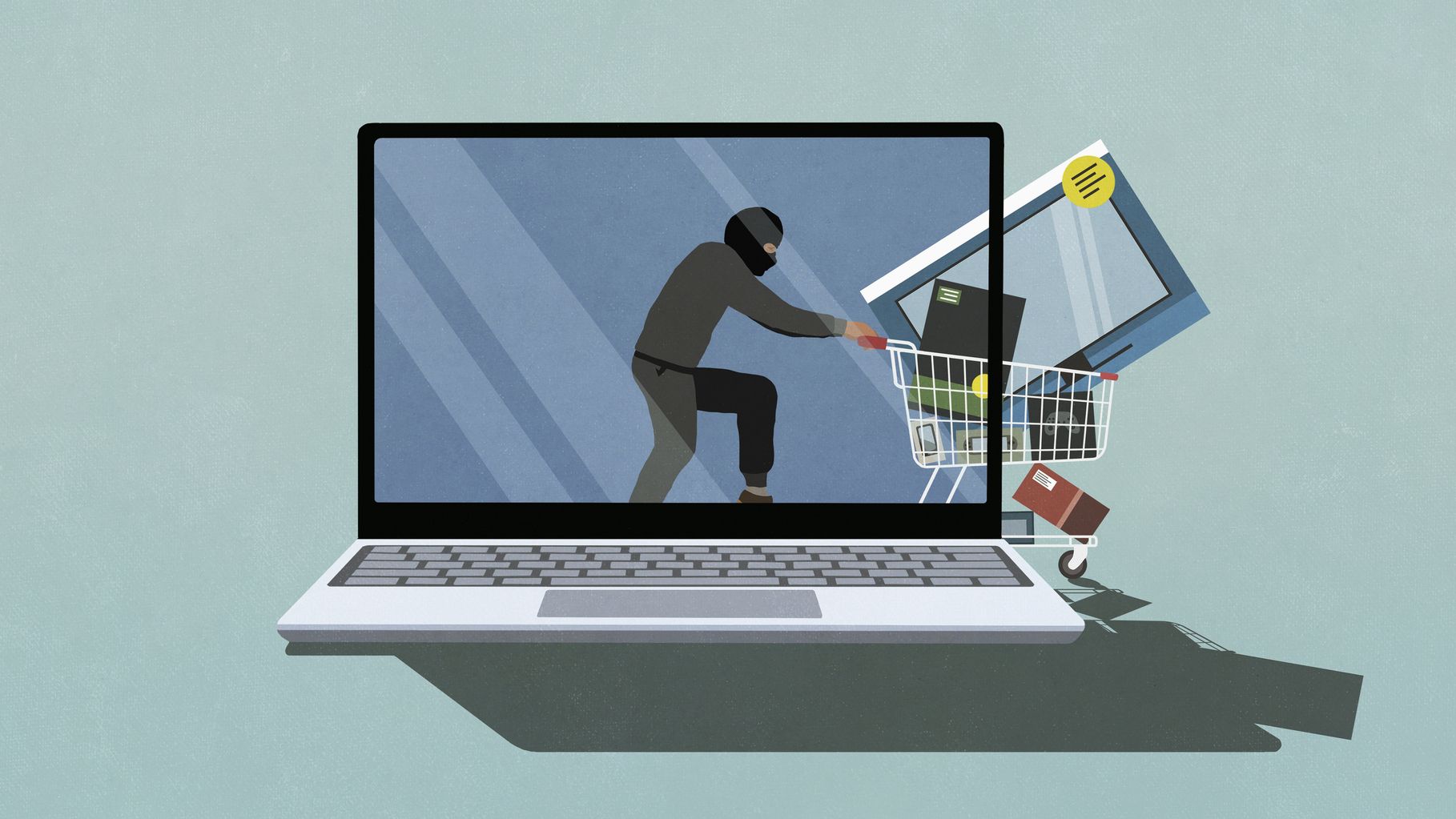
BleepingComputer's report that researchers found more than 16,000 misconfigured Supabase databases exposing readable tables with personally identifiable information, passwords, or authentication tokens is the sharpest illustration of the risk surface. These are not exotic systems. Supabase is a widely used backend platform, and misconfiguration is an ordinary failure mode. The scale, over 16,000 databases, suggests that the default developer experience does not reliably produce secure deployments. For US consumers, that means passwords and personal data sitting in tables that are readable when they should not be. For US technology companies, it means that the speed of modern app development has outrun the guardrails. A startup can stand up a production backend in an afternoon and expose its users' data by the evening. The liability and the reputational damage land on the company, but the harm lands on the consumer.

What the Thread Actually Is

Taken together, these four stories describe a consumer software market where the vendor's incentives and the user's interests diverge in predictable ways. Windows 11 bundles junk because bundling serves distribution. Surveillance pricing persists because opaque algorithms serve margin. A browser bundles connectivity because owning more of the stack serves retention. Backend platforms expose data because configuration defaults and developer velocity serve adoption. None of these outcomes requires malice. They require only that vendors optimize for what they are measured on. US consumers are on the receiving end of all four, usually without a clear way to opt out. US technology companies are on the originating end of all four, which means the regulatory and reputational exposure sits with them even when the immediate harm falls on users.

What to Watch

The stories point to a few concrete things to monitor. First, whether Microsoft changes how Windows 11 handles bundled software, or whether debloating remains a user responsibility, as Engadget's guide implies. Second, whether surveillance pricing attracts legislative attention in the US, and whether disclosure requirements can meaningfully address algorithmic pricing that Wired describes as opaque. Third, whether bundled connectivity offers like Opera's expand geographically and whether US regulators treat them as a competition question or a consumer protection question. Fourth, and most urgently, whether the Supabase misconfiguration problem, as reported by BleepingComputer, leads to platform-level default changes or remains a recurring class of exposure. The common test is whether accountability moves toward the companies that design the defaults, or stays with the consumers who live inside them.

The through line is not that software is getting worse. It is that the consumer software stack now carries commercial and security weight that used to sit in separate industries, and the people bearing that weight are the same people who just wanted their devices to work.

More on this beat: Software on TechManNews.

#consumer software#surveillance pricing#data exposure#platform bundling#US tech market#software risk

Newsletter

Get Tech News in Your Inbox

The latest AI, gadgets, software and startup stories from TechManNews, delivered every morning - free.