A Single Thread: Capital Chooses Physics Over Pixels
The four stories logged by this desk in the past two days share a single thread: institutional and corporate capital is moving decisively from pure software bets to capital-intensive, physically difficult, and heavily regulated infrastructure. Whether it is a floating nuclear reactor, a pilotless cargo plane, or a dead nuclear plant revived for a data center, the money is not going into another app or a cloud tool. It is going into atoms, electrons, and machines that must pass government scrutiny before they earn a dollar. For US technology companies, this marks the end of an era in which the cheapest capital went to the fastest code. It now goes to the most credible engineering.
The Seed Round That Sounds Like a Series C
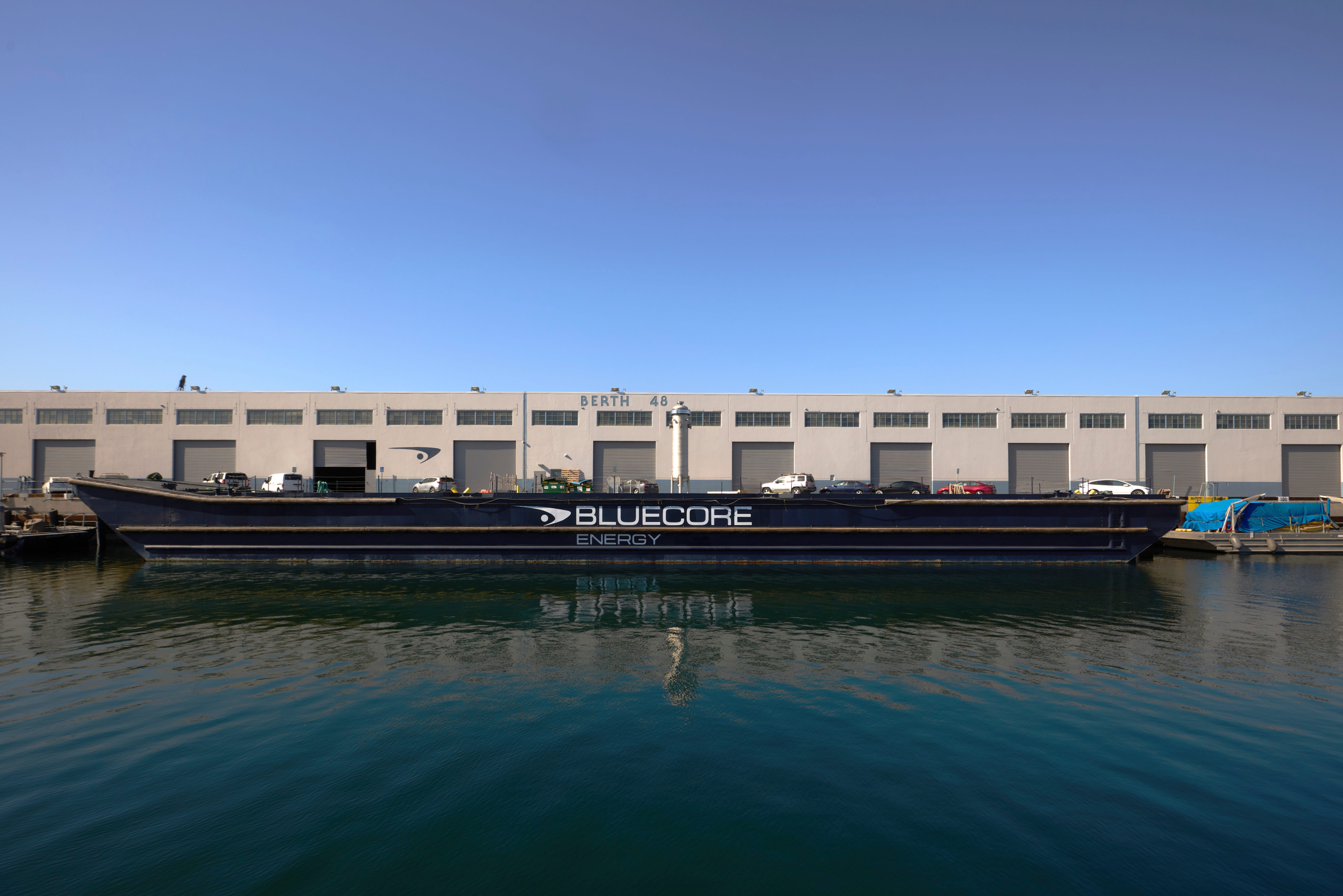
The most telling data point is not the $50 million Bluecore Energy raised, but the context: the startup formally launched only seven weeks ago with $10 million behind it, as SiliconANGLE reported. A seed round of that size, so soon after launch, would have been unthinkable in the late 2010s for a hardware company. Today it is normal because the asset class itself has changed. Bluecore is designing compact water-cooled reactors to mount on barges, a concept that requires naval architecture, nuclear licensing, supply chains, and years of testing. That is not a software roadmap. The company will use most of the new capital to get its first system engineered, tested, and licensed. The word “licensed” is the key. Software companies license their code; nuclear companies get licensed by regulators. The capital is not betting on a growth hack. It is betting on a permit.
This is the same logic that drove a $1.9 billion loan from a US regulator to restart a dead reactor in Iowa for Google, as Engadget reported. That loan is not venture capital. It is quasi-governmental financing tied to a specific power purchase need. Google is not investing in a startup; it is investing in the physical grid, and the US government is subsidizing that shift. The message to the broader market: the cloud giants have exhausted the easy efficiency gains from software and are now buying the underlying physics that power their data centers. That is not a trend. That is a strategic pivot.
Venture Scale Is Not the Only Story
While Bluecore’s round is striking, the more systemic signal comes from Team8’s research, covered exclusively by SiliconANGLE. Global limited partners committed just 6% of their 2025 allocations to venture funds smaller than $50 million, the lowest level since the dot-com crash. That is a flight to scale. But it is also a flight to substance. Small and first-time funds have a long record of beating their larger peers, the report notes, yet institutions are moving away because they cannot underwrite the risk of unproven managers. This is not just about fund size. It is about the underlying thesis of those funds. Early-stage software funds historically dominated that small-fund tier because they needed little capital to reach a valuation event. With the bar for that event now higher, institutions are saying: if we are going to take illiquidity risk, we want to back a company that has a reactor, a plane, or a power plant as collateral.
The Team8 data should be read alongside Bluecore and the other stories. The crowd that once funded social networks and collaboration tools is now funding small modular reactors, autonomous cargo aircraft, and nuclear restarts. Those are not asset-light businesses. They require tens of millions of dollars just to build a prototype, and hundreds of millions to get regulatory approval. Limited partners are not leaving venture capital. They are leaving small funds that cannot supply that kind of capital. The result is a hollowing out of the middle: too big to be seed, too small to be growth, and no longer interesting to institutions that want to write a single check that moves a physical needle.
The New Consumer Is an Industrial Buyer
For US technology companies, the practical consequence is that their customer is no longer a consumer with a smartphone, but a utility, a shipper, or a federal agency. Poseidon Aerospace secured $60 million ahead of its first pilotless test flight, as TechCrunch reported. The startup is trying to rethink cargo aircraft economics by removing pilots. That is not a consumer play. It is a logistics play, and its success depends on FAA certification, insurance markets, and the trust of freight forwarders. The consumers in that model are the warehouses and the airports, not the passengers.