The common thread in this beat is that exposure is migrating out of the corporate data center and into the ordinary infrastructure of American life. The most recent items logged here involve a home water valve, a leaked state bill on data center land, and an automated debt collection platform. None is a classic corporate breach story, yet each describes the same shift: sensitive systems are being built into consumer hardware, physical buildouts and outsourced back offices, and the security assumptions have not traveled with them.
Consumer Devices as Entry Points
Shelly's announcement, as The Verge reported, pairs a $28 leak sensor that runs for two years on a battery with a new Neo Smart Water Valve installed on a home's main water line, which shuts off flow automatically when a sensor detects a problem. The consumer benefit is straightforward, and the security question is equally straightforward and largely unaddressed in the product framing. A device that sits on the main water line and can close it remotely is, by design, an actuator on physical infrastructure. The same remote command path that saves a basement from flooding is a command path that exists whether or not the homeowner is the one issuing it.
This is the pattern worth flagging on the breach beat. Cheap sensors and valves are being sold as convenience and insurance, and each one is a node on a home network with firmware, credentials and a cloud dependency. The Verge's coverage is a product story, not a security story, and that is precisely the point: these devices enter homes through retail channels with the security posture treated as an implementation detail. For US consumers, the practical exposure is not a stolen credit card but control over a physical system in the house. For US technology companies selling into this market, the liability surface is expanding faster than the disclosure language around it.
Physical Buildouts, Legal Exposure
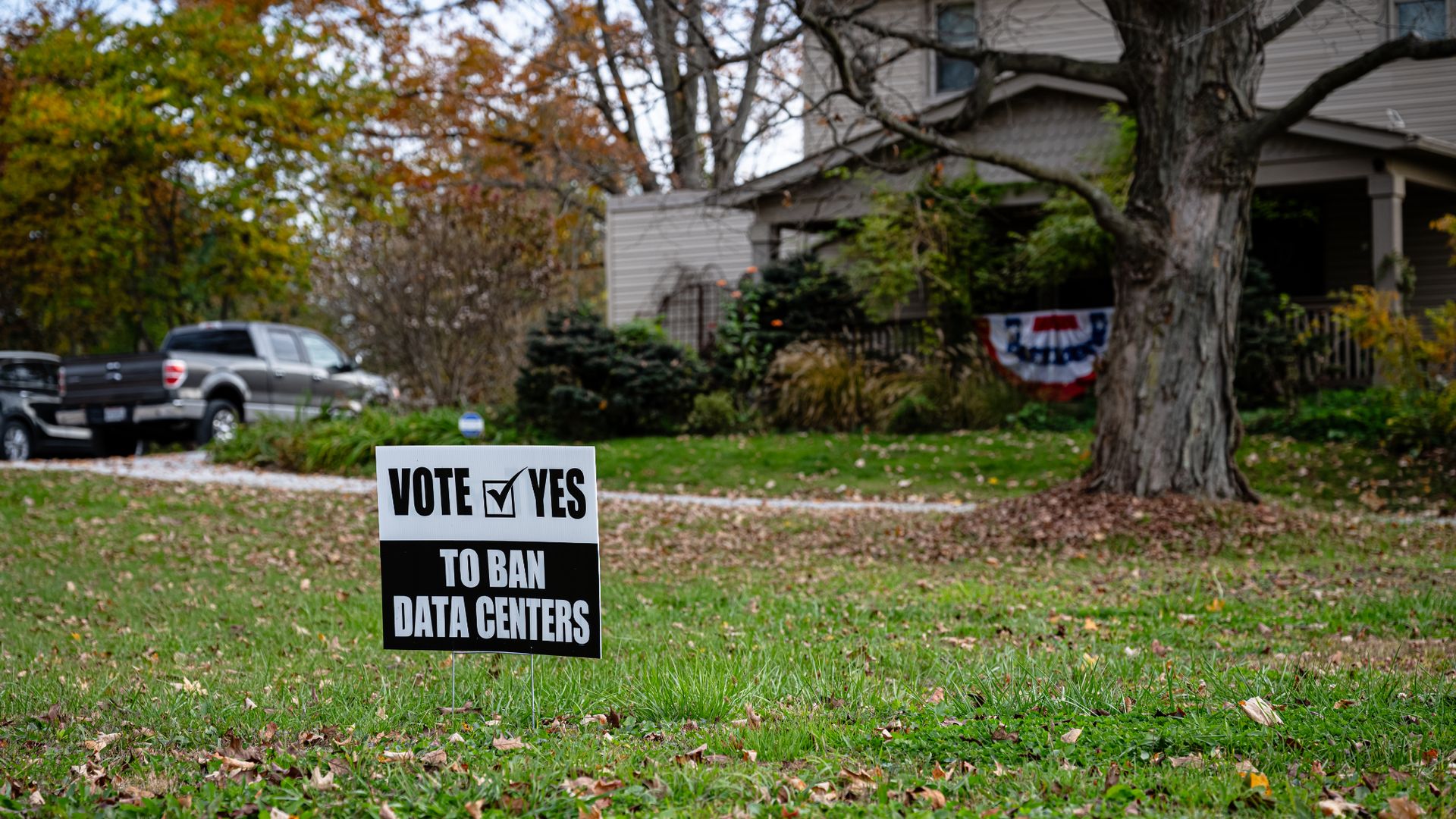
Tom's Hardware reported on a leaked Ohio bill that could let data center companies qualify as public utilities for purposes of eminent domain, allowing them to seize private land for new facilities. The breach dimension here is indirect but real. A leaked draft is itself an exposure event: it puts a policy proposal into public view before any official process has framed it, and it invites scrutiny of who drafted it and who benefits. On this beat, the relevant question is what such a law would do to the information environment around land records and utility designation. Eminent domain proceedings generate property records, valuations, filings and correspondence, and a legal regime that accelerates acquisitions also accelerates the volume of sensitive records moving between companies, counsel and state agencies.
For US technology companies, the story is a reminder that the data center buildout is not only a construction and power problem. It is a legal and records problem, and the companies pushing hardest into physical infrastructure are accumulating new categories of sensitive documentation. For homeowners and landowners in the path of these projects, the exposure is personal: names, holdings, valuations and negotiating positions become part of a contested public process. The bill is a leak story now. If it advances, it becomes a records-handling story.
The Back Office Keeps Leaking
The most conventional breach item in the recent log is also the most instructive. Wired reported that a pair of serious vulnerabilities in the CreditNirvana platform, an AI debt collection service, would have allowed attackers to access emails, texts and credit reports, exposing 6.6 million accounts and 315,000 call recordings. The counts are large, but the composition of the data is what matters. Debt collection sits at the intersection of financial distress and intimate communication: what people owe, what they said to collectors, and recordings of how they said it.
