The recent run of hardware news reveals a common pattern: technology companies are increasingly asking users and communities to accept surveillance, restrictions, or disclosure as the price of access. Whether it is a GPU purchase, a driverless ride, a laptop choice, or a data center build, the era of frictionless adoption is being replaced by one where trust must be earned through transparency and control.
The GPU That Comes With a Background Check
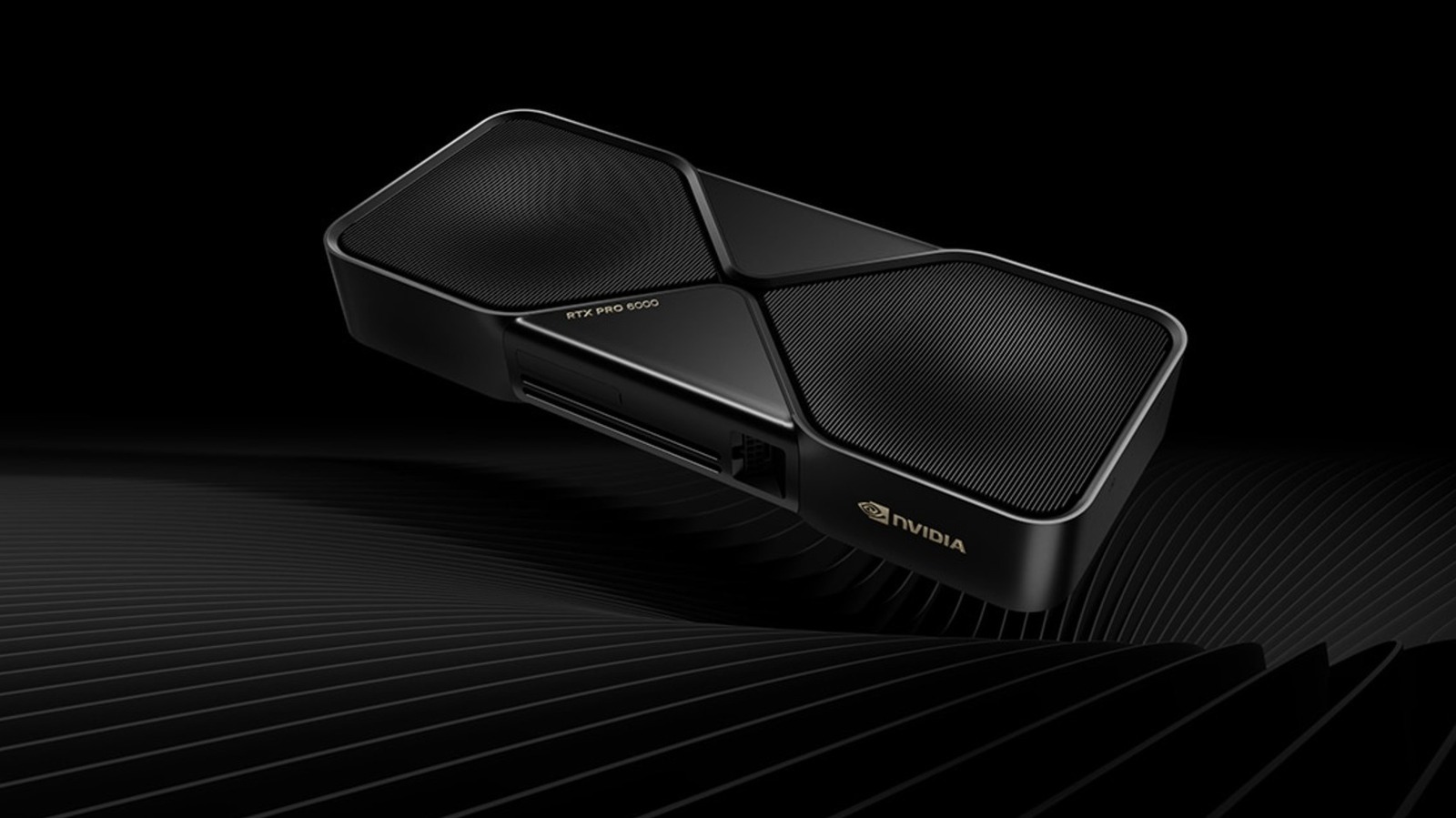
Tom's Hardware reports that Micro Center now requires photo ID and a signed no-export pledge before selling an RTX 5090. The form collects personal data before purchase approval, yet it remains unclear how Micro Center can use that information to actually track illegally exported GPUs. This is a striking example of security theater meeting retail. The policy imposes a real cost on legitimate US buyers, who must hand over identity documents for the privilege of buying a consumer product, while the mechanism for enforcement remains opaque. It also signals a broader anxiety in the hardware market: high-end components are being treated less like consumer goods and more like controlled exports. For US consumers, this means the simple act of buying a graphics card now comes with a compliance burden that did not exist before, and for US companies, it raises questions about how far they will go to police the end use of their products.
The Laptop That Wins on Specs, Not Ecosystem
The Verge reports that HP's new OmniBook 5 14 is thinner, lighter, and comes with OLED, directly targeting Apple's MacBook Neo. At $699.99, it pairs an Intel Core 5 315 "Wildcat Lake" processor with 8GB of RAM and a 256GB SSD, a configuration that mirrors both the Neo and its recent competition. This is the counterpoint to the GPU story: in the mainstream laptop market, competition is still about price, weight, and display quality. There is no ID check, no export pledge, no surveillance. HP is competing on the familiar terms of consumer choice. The contrast is instructive. Not every hardware category is being reshaped by restriction and monitoring. But the fact that HP's answer to Apple is defined so tightly by matching a competitor's specs suggests that innovation in this segment has narrowed to iteration. The battle is over who can deliver the most familiar package at the lowest price, not over who can offer a fundamentally different relationship with the user.
The Car That Watches You Back
Wired reports that self-driving cars from Waymo, Zoox, and Tesla are studded with cameras and sensors, some of them pointing at riders. This is the most direct version of the pattern: the product itself is a surveillance platform. Unlike a GPU purchase, where the data collection happens at the point of sale, here the monitoring is continuous and intrinsic to the service. For US consumers, the convenience of a driverless cab is paired with the reality that their image and behavior may be captured. For US companies, this creates a liability and a trust problem. The same sensors that enable autonomy also generate a record of passengers that could be subpoenaed, breached, or misused. The industry has not yet established clear norms for how long this data is kept, who can access it, or what passengers are told. The result is a service that feels futuristic and invasive at the same time.