Hardware's New Pitch Is Keeping What You Already Own
Article

Hardware's New Pitch Is Keeping What You Already Own

The recent hardware stories all point the same direction: the industry is selling longevity, diagnostics and efficiency rather than the next replacement cycle.

JaysuryaSeptember 29, 20265 min read

Photo: Tom's Hardware

The recent run of hardware stories on this desk shares one connective tissue. Each is about extending the useful life, efficiency or self-knowledge of a device rather than replacing it: an Intel patent for embedding MicroLEDs inside a CPU package, two guides on diagnosing and stretching phone batteries, and a carbon-capture design built around a battery. The through-line is that hardware value is migrating from raw replacement to maintenance, instrumentation and energy discipline. For US technology companies and consumers, that reframes where the next dollar of hardware spending is likely to go.

The upgrade treadmill is losing its pull

For most of the smartphone era, the industry's implicit contract with buyers was cyclical: a new handset every year or two, a new laptop every three or four. The stories logged here suggest that contract is being renegotiated from both ends. Engadget's two pieces, one on warning signs that an iPhone battery needs replacing and one on improving an Android phone's battery life, treat the existing device as an asset worth preserving rather than a candidate for the bin. Neither piece assumes the reader is shopping. Both assume the reader is trying to keep what they have running.

That is a meaningful shift in editorial posture, and editorial posture tends to follow audience behavior. When a mainstream outlet publishes service journalism about battery degradation and settings hygiene, it is responding to readers who are holding devices longer and want to know how to do so safely. The practical content sits alongside the same outlet's device coverage rather than replacing it, but its existence signals that the audience now contains a large cohort of long-term owners.

For US carriers and handset makers, that matters because their upgrade economics depend on churn. Anything that makes a two-year-old phone feel serviceable, a replacement battery, a settings tweak, a diagnostic warning, is competitive with a new sale.

Intel puts a diagnostic surface inside the chip

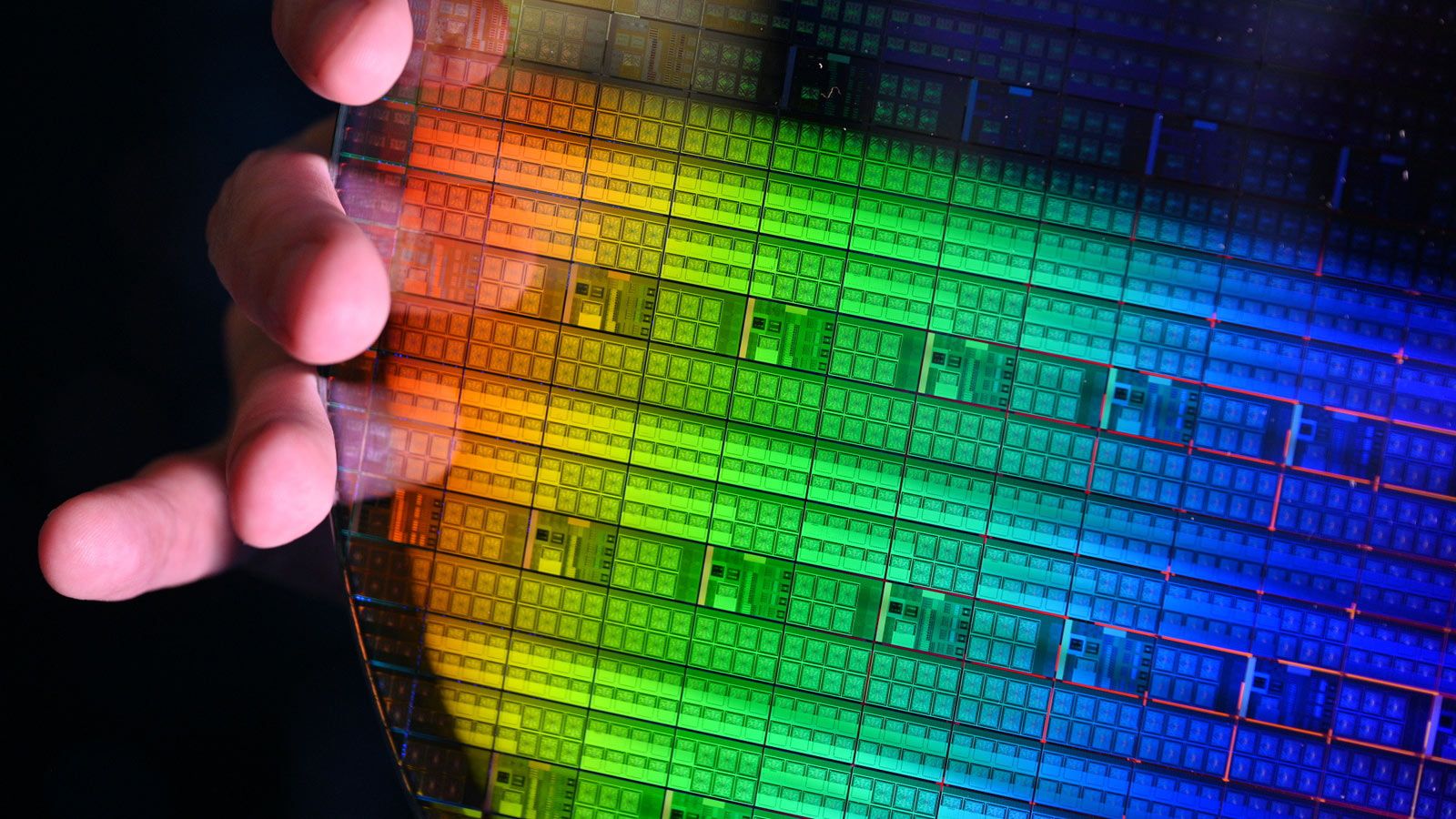
Intel's patent, as reported by Tom's Hardware, describes embedding MicroLEDs directly into a CPU package so they can light up wording or function as an extra aesthetic component. The framing is deliberately modest: diagnostic use and appearance, not a new compute capability. That modesty is the interesting part.

Silicon has become opaque to the people who own it. A modern processor package offers almost no external signal about what is happening inside, which is why diagnostics live in software layers that can only report what firmware exposes. A small array of lights on the package itself is a crude but direct channel. It can indicate state without a monitor, a driver or an operating system.

The aesthetic angle is not incidental either. Custom lighting has proven durable as a way for US enthusiasts to differentiate otherwise identical components, and PC builders have long paid for it. Intel's patent filing suggests the company sees the package surface as a place where a buyer's identity can be expressed, not just a thermal and electrical enclosure. As reported by Tom's Hardware, the stated purposes are diagnostics and aesthetics, and the patent does not promise a product.

Efficiency as the selling point

If the phone stories are about preserving what exists, the carbon-capture story is about doing necessary work with less energy. Ars Technica reports a new device that captures carbon dioxide by pumping it across a battery, a design that requires less energy to capture CO2 than current systems.

The significance is not the chemistry, which the material does not detail. It is the design principle. Energy cost has become the binding constraint on a whole class of climate hardware, and a system built around a battery implies portability and integration rather than a large fixed installation. Lower energy per unit of captured gas widens the set of places such a device can plausibly operate.

That connects to the same theme running through the CPU patent and the battery guides: the resource being managed is energy, and the engineering wins come from spending less of it. A CPU package that communicates its own state without a screen is an efficiency play in the same family, and a phone whose settings are tuned to stretch a battery is the consumer version of the same idea.

What this means for US buyers and vendors

American consumers have already shown a willingness to hold devices longer when the devices remain useful, and the material here suggests the tooling around that behavior is thickening. Replacement guidance for iPhone batteries and settings advice for Android phones are the consumer-facing edge of a broader service economy around owned hardware.

US vendors have two plausible responses, and the stories hint at both. One is to compete on longevity: make batteries diagnosable, make components instrumented, make it easy to know when a part is failing rather than guessing. The other is to compete on the parts and service that keep devices alive. Neither is a growth story on the scale of a boom replacement cycle, but both are durable.

There is a risk in reading too much into four items. Intel's patent is a filing, not a shipping product, and the carbon-capture device is a research design. The two Engadget pieces are service journalism, which has always existed alongside gadget reviews. The pattern is suggestive rather than conclusive, and the honest read is that these stories indicate where attention is going, not what has already been sold.

What to watch

Watch whether the Intel MicroLED concept moves from patent to product roadmap, and whether the diagnostic function or the aesthetic function leads. Watch how phone makers and US carriers position battery health tooling: as a retention feature or as a lever to push upgrades. Watch whether lower-energy carbon capture designs attract the integration partners that would move them out of the lab. And watch the service and repair economy around owned devices, because that is where the consumer version of this pattern will show up first. The common thread is not a single product category. It is the industry's growing interest in the devices people already have, and in the energy it takes to keep them running.

More on this beat: Hardware on TechManNews.

#hardware#batteries#semiconductors#energy efficiency#consumer devices#right to repair

Newsletter

Get Tech News in Your Inbox

The latest AI, gadgets, software and startup stories from TechManNews, delivered every morning - free.