The GPU story has quietly shifted from what chip you buy to how you configure and exploit it. Three recent items on this beat point in the same direction: a lawyer's eight-V100 server running DeepSeek at near-NVFP4 precision, a monitor plugged into the wrong port, and the murky comparison between an Nvidia GPU and a PS5. In each case, capability is gated less by the silicon than by decisions made around it.
Precision Work Versus Raw Hardware
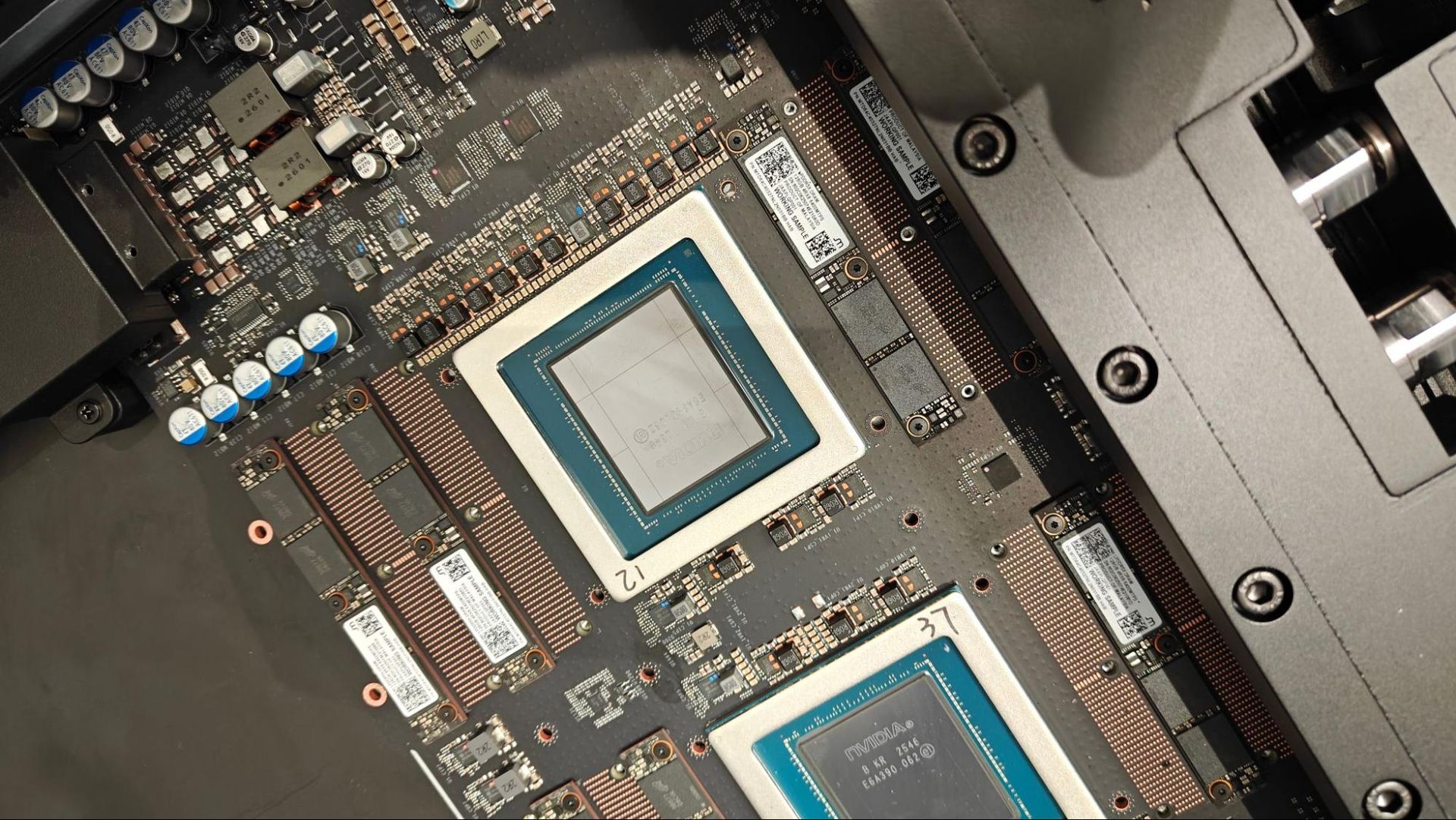
The most striking example is the eight-GPU Nvidia V100 server, reported by Tom's Hardware, which now runs DeepSeek V4.1 Flash's most-used experts at NVFP4 precision instead of 2-bit. The detail that matters is not the model or the lawyer. It is that a V100 generation, which predates the current precision formats being promoted for AI work, is being pushed toward near-NVFP4 behavior through software and configuration choices. The hardware did not change. The way it is driven did.
For US technology companies, this cuts both ways. It weakens the assumption that AI capability requires the newest accelerator every cycle. Operators willing to tune older fleets can extract more from sunk capital, which is good for cost control but complicates the upgrade pitch for vendors selling each new generation. It also raises the value of software stacks, quantization work and engineering time relative to raw chip purchases.
The Port That Costs Frames
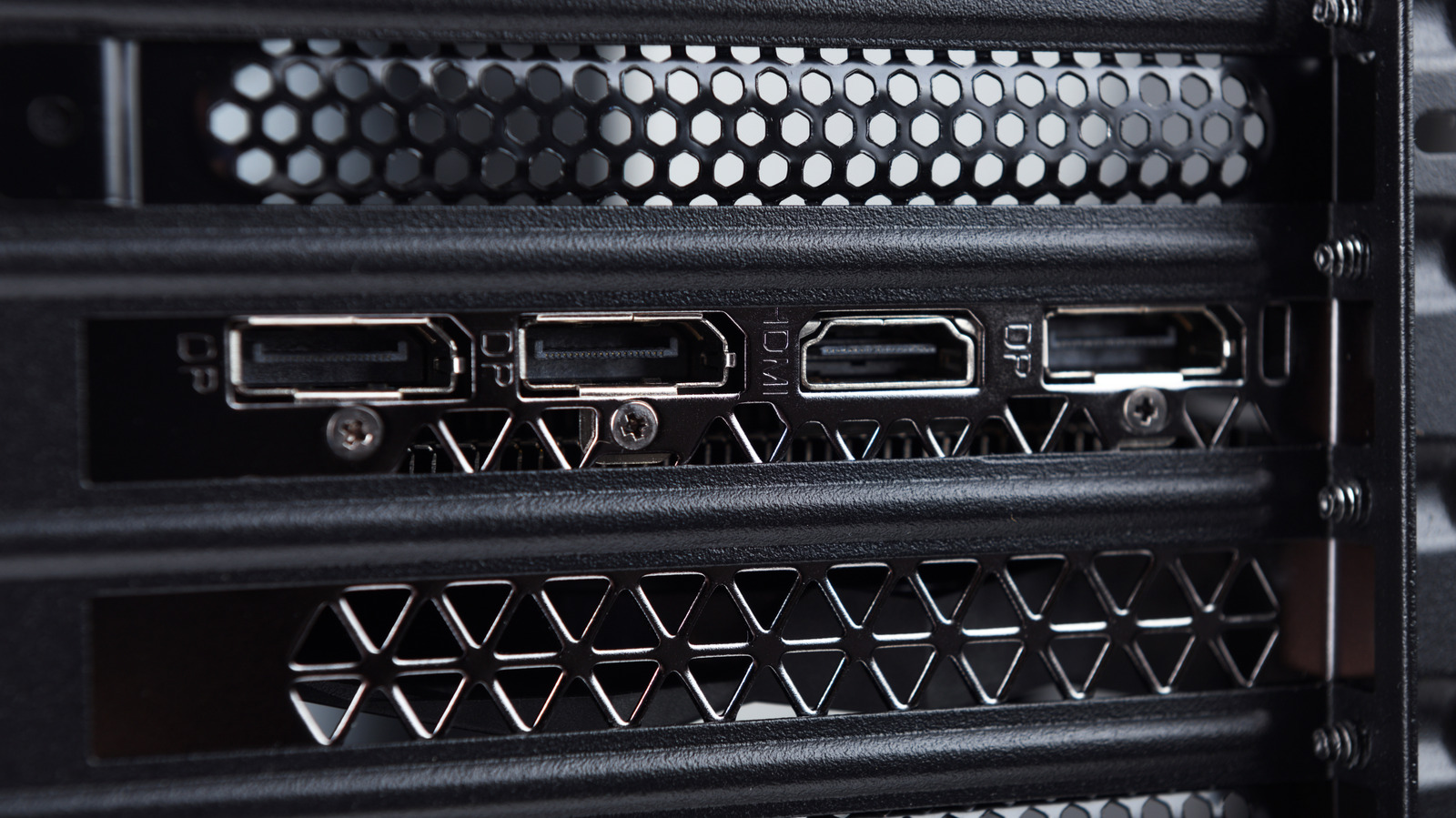
The desktop example is blunter. As Engadget reported, plugging a monitor into the motherboard instead of the dedicated GPU can ruin gaming performance. The fix is simply checking ports. There is no silicon problem here at all: the GPU is present and paid for, and it is being bypassed. A user can own capable hardware and still get integrated-graphics output because of one cable decision.
This is the same pattern in miniature. The performance a US consumer experiences is the product of the whole configuration, not the component on the invoice. It also suggests where support burden and returns come from: not defective parts, but misconfigured systems. Retailers and system builders that treat setup guidance as part of the product are, in effect, protecting the value of the hardware they sell.
The Console Comparison Trap
The console-versus-PC question, also from Engadget, makes the point structurally. Asking which Nvidia GPU is closest to the PS5 does not have a simple answer. Consoles are fixed configurations that developers target as a whole; a PC GPU is one variable in a stack of CPU, memory, drivers and settings. The comparison resists a single number because the thing being compared is not the same kind of object.
That matters for US consumers weighing a gaming rig against a console. A spec sheet comparison can mislead in either direction. The relevant question is what the complete system delivers in practice, which is exactly the configuration argument again, applied to a purchase decision rather than a repair.