The three stories on this beat this week look unrelated: retail GPU prices moving in Japan, open specifications promising to shorten data center integration timelines, and a viral chart knocking down the shares of CoreWeave and its peers. They are not unrelated. Each is a different surface reading of the same underlying condition in AI hardware - a supply chain and financing structure that is scaling faster than the mechanisms meant to price it, standardize it, and pay for it.
Retail Prices Are the First Tell
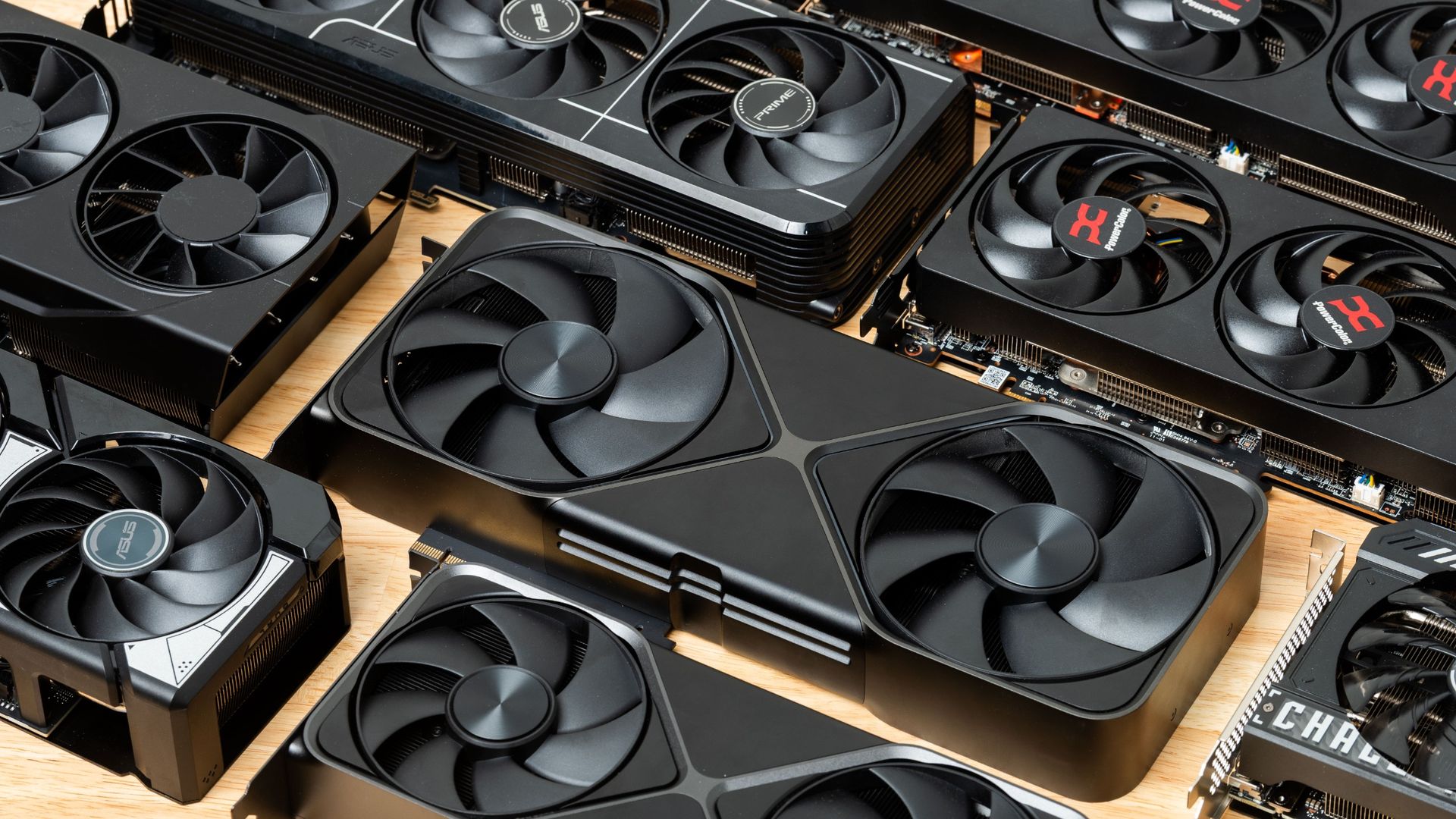
Tom's Hardware reported that a Japanese retailer raised prices on RTX 50-series GPUs by between 12.71% and 41.10%, with mainstream models absorbing the worst of it. The comparison point matters: those Japanese prices now sit as much as 41% higher than Amazon US listings.
A single retailer's price sheet is not a market. But the shape of the increase is informative. When price movement is concentrated in mainstream parts rather than halo products, it usually reflects allocation pressure rather than a deliberate repositioning. Mainstream GPUs are the volume tier. If that tier is getting squeezed hardest, the constraint is not demand at the top of the stack - it is supply distribution across the whole stack.
For US consumers and US system builders, the immediate implication is comparative, not absolute. A widening gap between Japanese and US pricing creates arbitrage pressure and allocation questions. It also raises the possibility that US pricing, which has looked comparatively reasonable in this data point, is not a stable reference but a lagging one.
Integration Is the Real Bottleneck
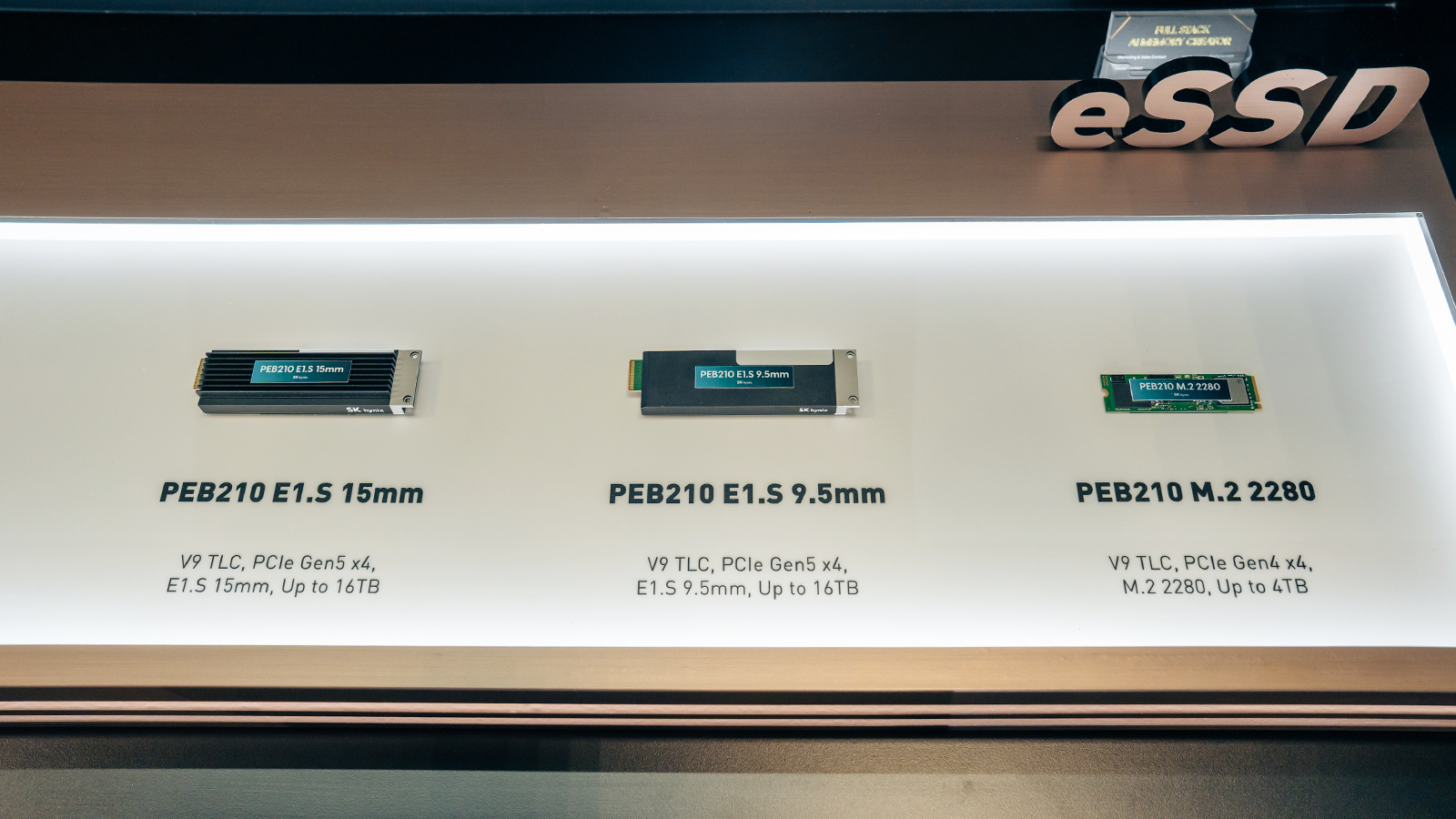
SiliconANGLE reported on claims that open specifications could cut AI data center hardware integration from a year to months. The framing in that piece is the important part: as AI factories scale, hardware interoperability is becoming as important as raw performance. Accelerators, memory and storage now come from many different suppliers, and every mismatch between them slows deployment.
The shift described there is from chips to systems. That is a meaningful change in where the difficulty lives. A faster accelerator does not help if the rack it sits in cannot be validated against the memory and storage it has to talk to. Integration timelines measured in quarters rather than weeks are a tax on every deployment, and that tax compounds as facilities get larger.
This connects directly to the retail pricing story. Both are allocation problems. One allocates finished GPUs to buyers; the other allocates engineering time to making heterogeneous hardware work together. Neither is solved by a better chip. Both are solved by coordination, and coordination is exactly what the open-spec argument is about.
Debt Is the Third Reading
SiliconANGLE also reported that shares of Oracle, DigitalOcean and several other tech firms dropped after a chart about CoreWeave's finances went viral on X. CoreWeave runs a cloud platform optimized for AI workloads and has grown its data center network from 3 facilities to 51 over four years. It financed that expansion with debt.
The market reaction is the story here, more than the chart itself. A viral post moving the shares of Oracle and a set of neoclouds indicates that investors are treating AI infrastructure exposure as a correlated position rather than a set of independent businesses. When one leveraged operator's balance sheet becomes a sentiment event for the group, the group is being priced on shared assumptions about demand duration.
That is the same fragility showing up in a different register. Retail GPU prices reflect physical allocation. Integration timelines reflect engineering allocation. Debt concerns reflect financial allocation. All three are about whether the current rate of AI hardware buildout can be sustained by the systems supporting it.