The Thread
Three newly logged funding rounds point to the same bet: investors are paying for AI agents that absorb a specific company's internal knowledge, not for agents that are merely more capable in general. Uvi raised $7.5 million in seed funding to help AI agents learn business context, Evos raised $9 million in pre-seed funding to build autonomous workers that learn from a company's most experienced employees, and Marklo raised $5 million in seed funding to apply founder Jessica Herrin's operating experience to marketing. The common asset in all three is context that lives inside a business and nowhere else.
What the Rounds Have in Common
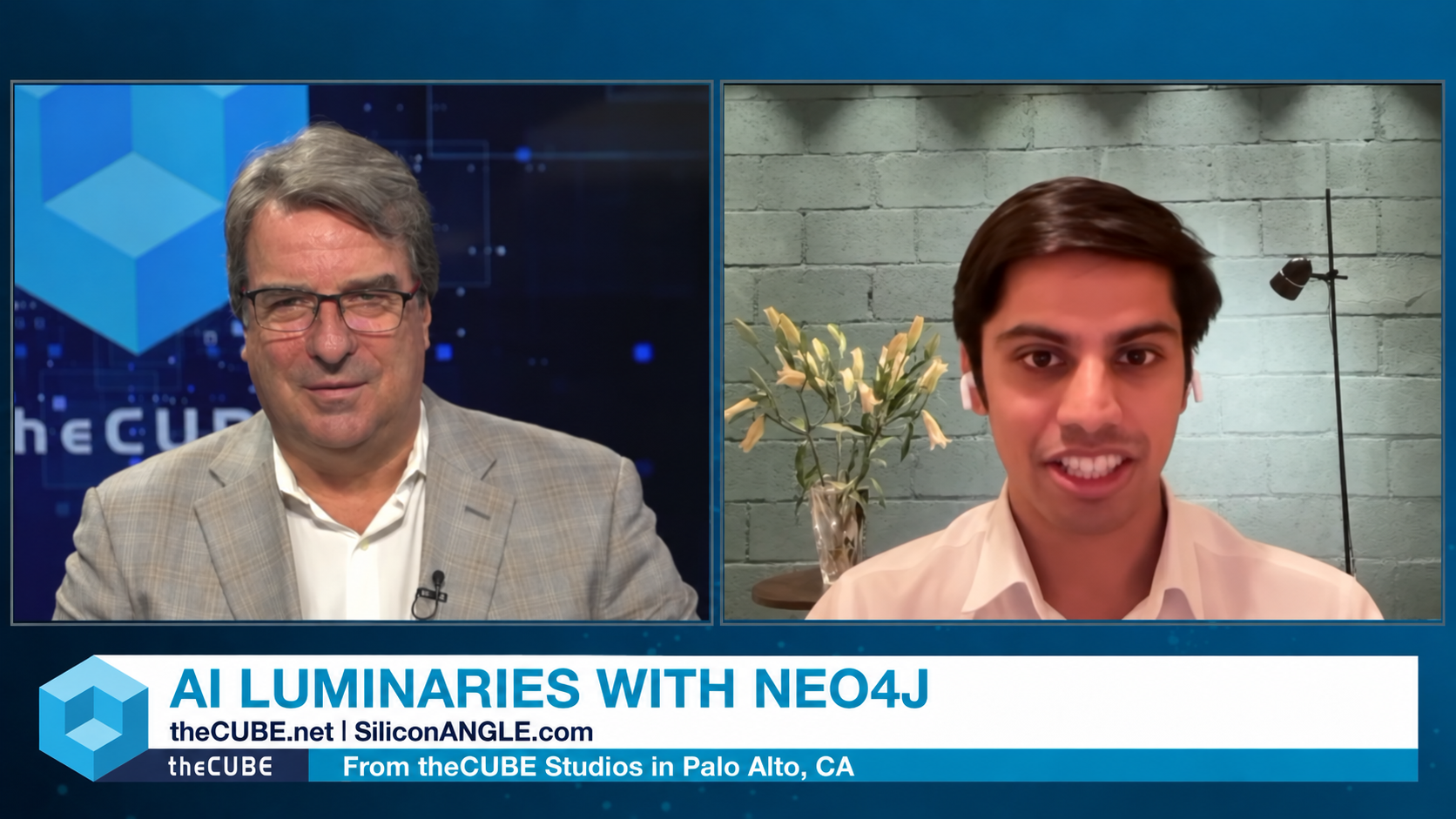
The three companies sit in different corners of the market. Uvi, as SiliconANGLE reported, frames its pitch around cost, saying its approach lets agents run at eight times lower cost while learning business context. Evos, also via SiliconANGLE, targets smaller businesses and builds autonomous workers by learning from the people already employed there. Marklo, reported as a Crunchbase News exclusive, comes out of Herrin's experience building earlier startups, with Forerunner leading the round.
The shared thread is not the model. It is the wrapper around the model. Each company is selling a way to capture what a particular organization knows and then apply it through automation. That is a different kind of product from a general-purpose assistant, and it produces a different kind of investment case.
Why General Models Are Not the Selling Point
If the value of an AI agent came mainly from the underlying model, there would be little room for seed-stage companies to build durable businesses on top of it. The pitches in these rounds suggest the opposite. Uvi's stated problem is that enterprises using autonomous agents are draining money on context that the agents lack. Evos is built on the premise that a smaller business's most valuable asset is the experience of the people it employs.
That reframes the competitive question. The moat is not the model weights. It is the accumulated, often undocumented knowledge of how a specific business quotes a job, handles an exception, or decides which customer gets priority. Investors putting seed money into this layer are betting that this knowledge is expensive to assemble and sticky once assembled.
The Cost Argument Gets Specific
Uvi's framing is unusual for a seed-stage company because it leads with a cost multiple rather than a capability claim. Running agents at eight times lower cost, as SiliconANGLE reported, is a claim about unit economics, and unit economics are what determine whether an enterprise can deploy agents broadly rather than in a pilot.
The implication for US technology buyers is that the constraint on agent adoption may be budget rather than ambition. If the cost per task falls far enough, the range of work that makes sense to automate expands. That is the kind of change that shows up in enterprise software budgets before it shows up in headlines.
Learning From People, Not Documents
Evos takes a different route to the same destination. Rather than extracting context from systems of record, it aims to learn from a company's most experienced humans, as SiliconANGLE reported. That is a notable choice for a pre-seed company, because it targets tacit knowledge that usually never gets written down.