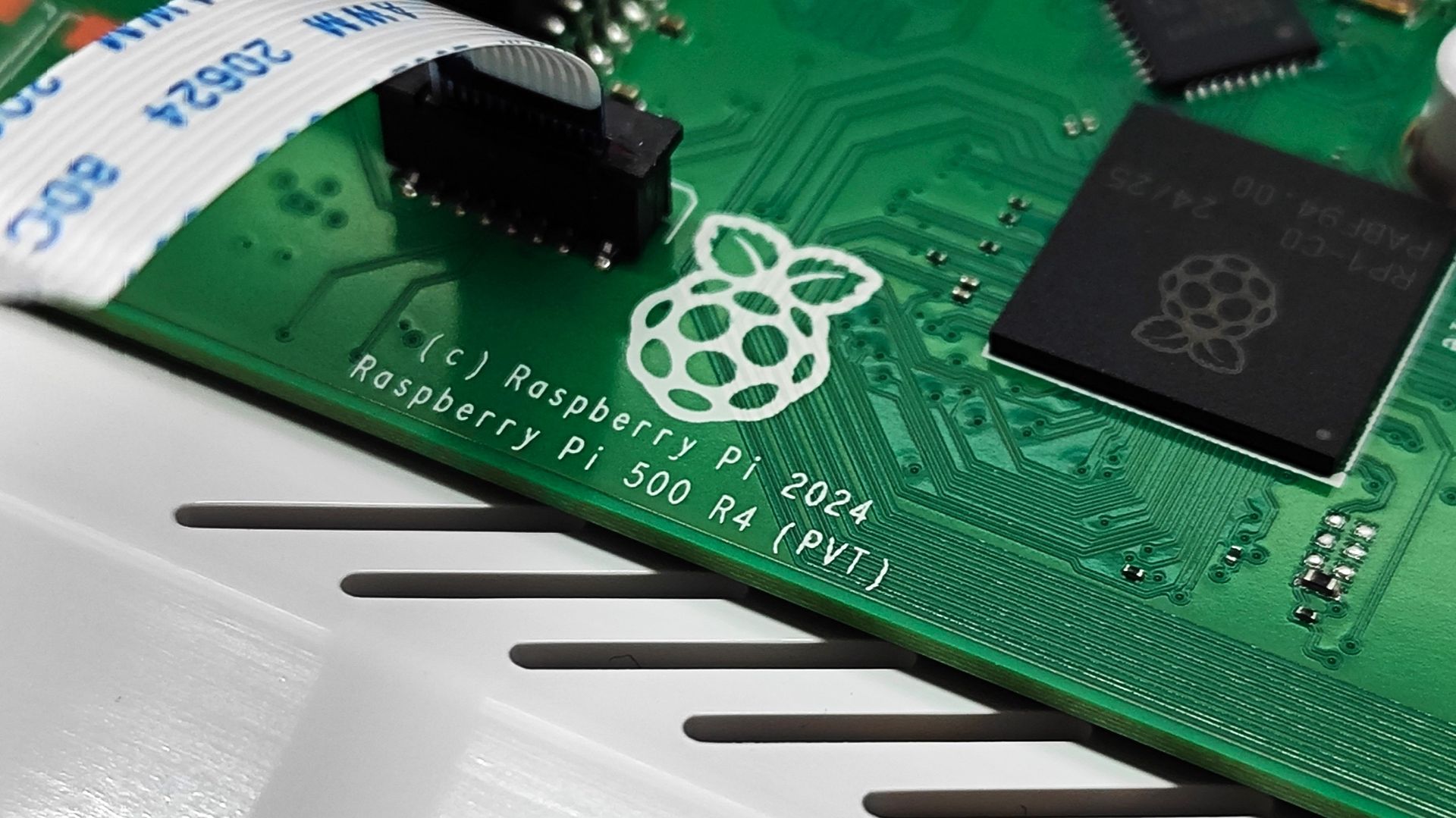
The common thread across this week's chip news is that capability is migrating out of the parts buyers own and into the silicon and firmware the vendor controls. Qualcomm is selling AI performance as a spec, Sony and MediaTek are pairing custom sensors with custom silicon, and Raspberry Pi is now using firmware to prevent board owners from changing the RAM they physically possess. In each case, the value and the limits of a device are set before it reaches the user, at the chip and firmware level.
Performance Is Now a Silicon Story
Qualcomm launched two new smartphone chips with an emphasis on AI, and the company said its new top chip can run a 30-billion-parameter mixture-of-experts model locally, as TechCrunch reported. That claim matters less as a benchmark than as a statement about where smartphone differentiation now lives. Running a model of that size on a handset is not a software feature that can be shipped to older hardware. It is a capability gated by memory bandwidth, compute, and power efficiency baked into the chip at design time.
For US consumers, this continues a pattern in which the most visible new phone features arrive only on the newest silicon. A user who bought a flagship phone a year or two ago does not get the local AI capability, even if the underlying model is available. For US chipmakers and platform vendors, it means the upgrade cycle is increasingly defined by silicon generations rather than by software releases. That is good for selling new chips and harder for anyone trying to extend the life of existing devices.
Sensors and Silicon Are Being Co-Designed
Vivo's X500 Pro Max is the first phone to use new sensors and silicon from Sony and MediaTek, according to The Verge, enabling 17 stops of dynamic range and 4K240 slow-motion recording. The important word is "and." The camera result is not attributed to a sensor alone or a processor alone. It comes from a sensor and a chip designed to work together, with the phone maker integrating both.
This is the same structural shift as Qualcomm's local AI claim. Image quality that was once partly a matter of lens and sensor is now increasingly a matter of how tightly the sensor and the image signal processor are paired. For US companies, the competitive question is whether they control both sides of that pairing. Firms that make only the sensor, or only the processor, are more exposed than firms that can define the pipeline end to end. For US consumers, the practical effect is that headline camera specifications may mean less than the specific combination of sensor and chip inside a given model.
Firmware as the Enforcement Layer
Raspberry Pi has locked its boards to factory RAM capacities in firmware, with an engineer telling DIY modders not to waste their time trying repairs or upgrades, and the company citing shady reseller scams, as Tom's Hardware reported. This is the clearest example of the pattern. The physical RAM chips are present and replaceable in principle, but the firmware refuses to recognize a change.
The stated reason is fraud prevention. That is a legitimate concern when resellers misrepresent board specifications. But the mechanism is broader than the stated problem. Firmware that binds a board to its factory RAM capacity also prevents legitimate repair and upgrade, which is exactly the kind of tinkering that built the single-board computer market. The control point is not the hardware the customer bought. It is the firmware the vendor ships and can update.