The semiconductor industry's competitive frontier has moved. It is no longer defined solely by who can fabricate the most advanced chips, but by who can navigate export politics, design data centers for inference workloads, and absorb disruptions across the broader ecosystem that supports chip production. Three recent stories - Nvidia's China sales dilemma, CoreWeave's argument about GPU wiring, and a strike threat at a Taiwanese snack maker - all point to the same shift: the chip business is now a test of political, infrastructural and cultural resilience.
Export Controls as a Product Feature
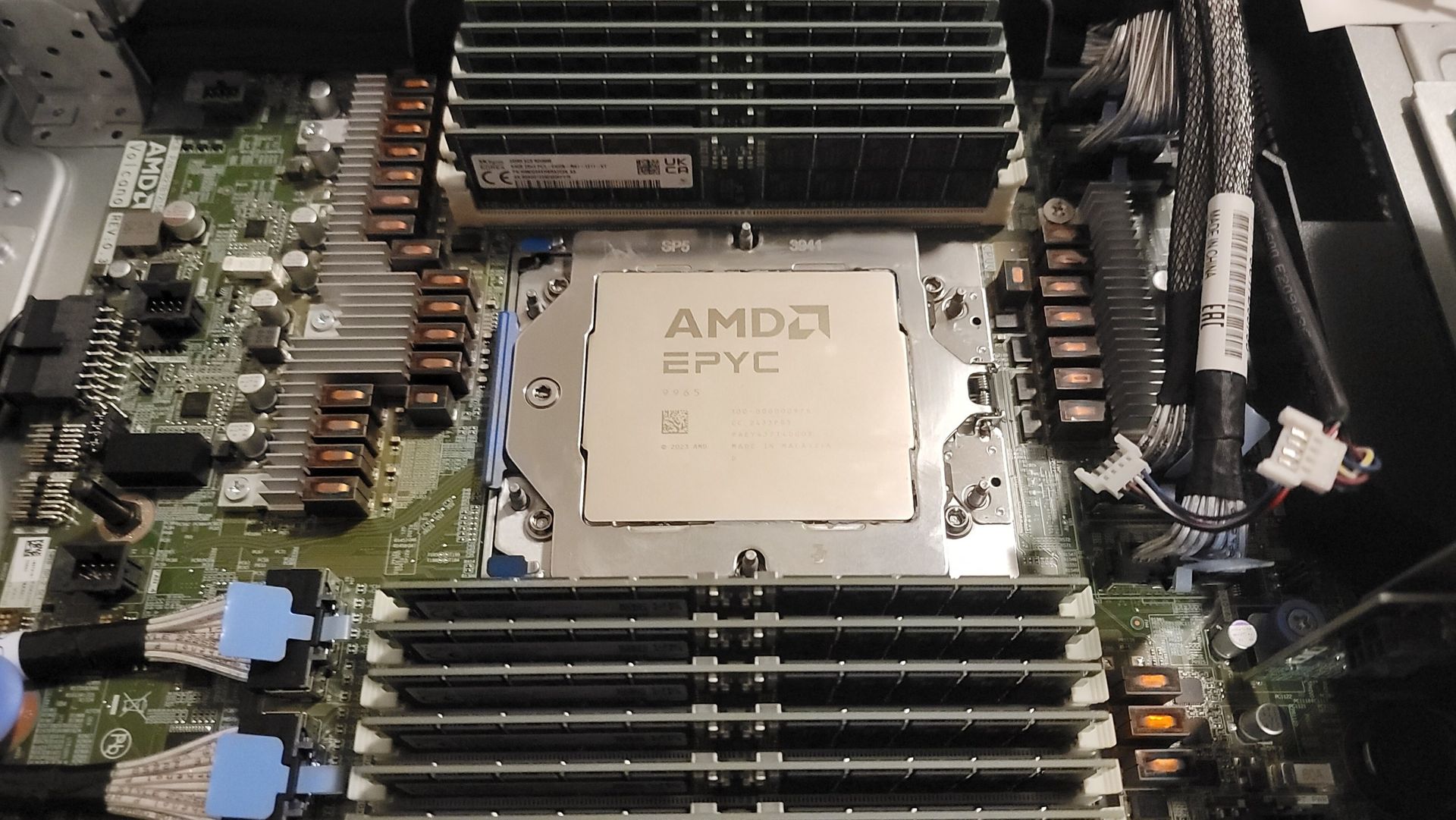
Nvidia's ability to sell AI chips to China is no longer a straightforward commercial matter. As Ars Technica reported, experts worry about Nvidia's AI chip sales in China and the company's influence over the Trump administration. The story notes that China is reportedly mulling whether to let ByteDance and Alibaba buy banned Nvidia chips. That is a remarkable inversion: the question is not whether the US will permit the sale, but whether Beijing will permit the purchase.
For US technology companies, this means the export control regime has become a two-way filter. Washington can restrict what Nvidia sells abroad, but Chinese regulators can restrict what their own firms buy. The result is that Nvidia's addressable market in China is shaped as much by Beijing's industrial policy as by US law. For US investors, this adds a layer of uncertainty that cannot be modeled through standard demand forecasts. A chip that is legal to sell may still be politically undesirable for the buyer. The influence Nvidia is said to hold over the Trump administration also cuts both ways: it may help shape rules, but it also makes the company a visible target in a geopolitical contest. US consumers may not feel this directly today, but the broader AI supply chain that eventually reaches them - through cloud services, devices and software - is being partitioned along political lines.
Infrastructure Design Becomes a Differentiator
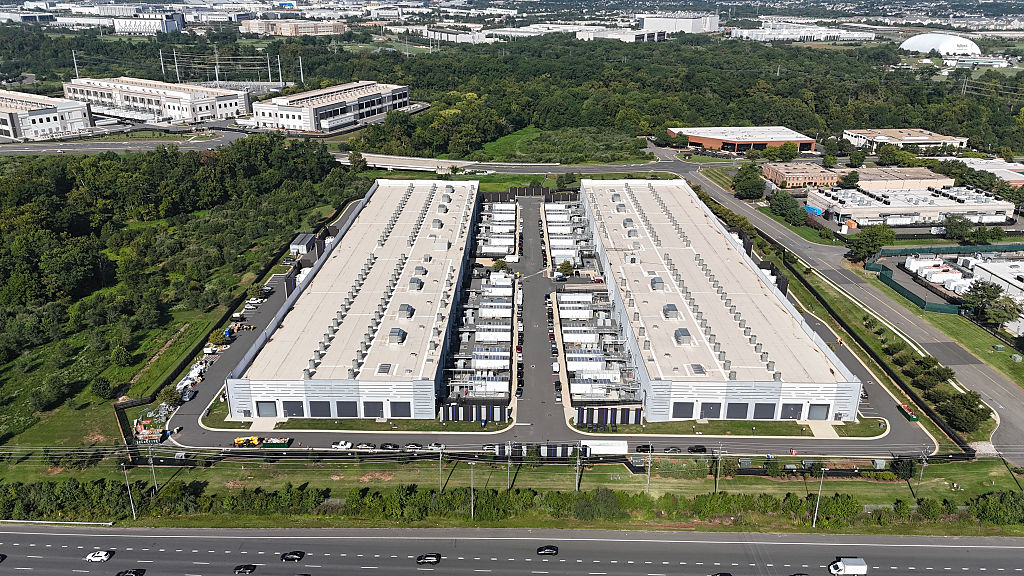
While export politics constrain where chips can go, the way they are wired and powered is becoming a source of competitive advantage. As SiliconANGLE reported, CoreWeave says that wiring and powering GPUs differently can swing AI latency by orders of magnitude. The neocloud market, the story notes, is moving past its origins as a stopgap for scarce graphics processing units. AI-native startups now choose infrastructure based on latency, burst capacity and openness, not just chip availability.
That shift matters for US technology companies because it changes what "chip performance" means in practice. A GPU's theoretical throughput is irrelevant if the interconnect or power delivery introduces delays. CoreWeave's expansion beyond GPU compute into networking, storage and software reflects a recognition that inference demand - running AI models rather than training them - puts a premium on end-to-end system design. For US cloud providers and AI startups, the lesson is that buying the same chips as a competitor does not guarantee comparable performance. The differentiator is increasingly the architecture around the chip. For US consumers, this could mean that AI services improve at different rates depending on which provider they use, even if those providers are running identical silicon.