Database, AI and Avatar Deals Show Buyers Paying for Distribution

Photo: SiliconANGLE

Article

Database, AI and Avatar Deals Show Buyers Paying for Distribution

Supabase, AMD and AppDirect are buying companies whose technology already has a place to land, not just promising research.

JaysuryaOctober 2, 20264 min read

The thread is buyers paying for distribution, not just assets

Three acquisitions logged on this beat show the same pattern. Supabase is buying Turso while it raises $150 million. AMD is buying World Labs in an all-stock deal worth approximately $8.2 billion. AppDirect is buying Soul Machines. In each case the buyer is not just acquiring technology. It is buying a company whose capabilities plug directly into something the buyer already sells.

The value in these deals sits less in the acquired product than in where that product can be placed once the deal closes.

Supabase buys Turso while it raises

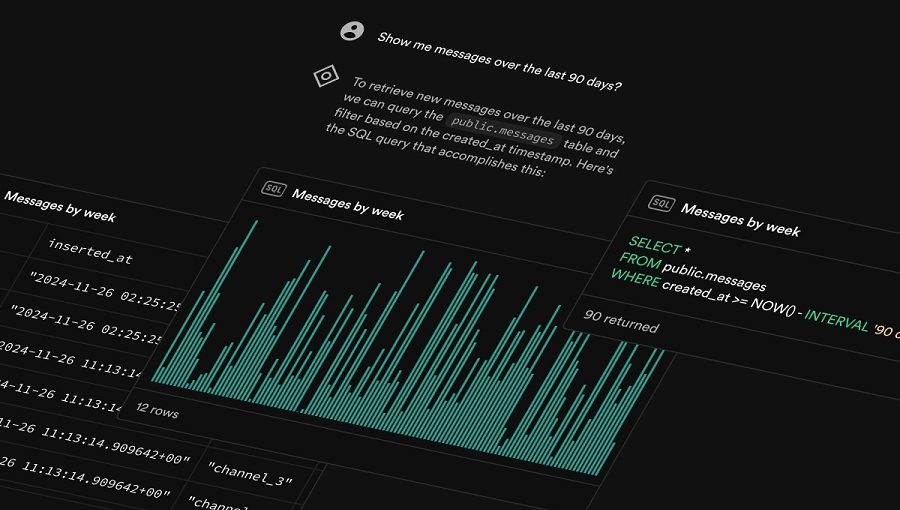
Supabase commercializes the open-source PostgreSQL database. It disclosed a $150 million round led by Singapore's GIC sovereign wealth fund, joined by Alphabet Inc.'s CapitalG, IronArc and SquarePeg. It announced the same day that it agreed to buy fellow database startup Turso for an undisclosed sum, as SiliconANGLE reported.

On its own, a database startup raising money and buying a smaller database startup looks like a talent-and-tech tuck-in. The distribution read is different. Supabase already has a commercial surface: developers building on its hosted PostgreSQL offering. Turso, once inside, does not need to build a customer base from nothing. It inherits one.

The investor list reinforces that logic. A sovereign wealth fund, an Alphabet venture arm and established funds are not underwriting a stand-alone Turso. They are underwriting a PostgreSQL platform that can absorb adjacent database capability and sell it through an existing developer relationship. That is a distribution story dressed as a funding story.

AMD pays up for World Labs

AMD's move on World Labs is the largest number in this group. The all-stock deal is worth approximately $8.2 billion, per The Verge, for a research lab co-founded by Dr. Fei-Fei Li. World Labs launched in 2024, reached a $1 billion valuation within months, and launched its first commercial product, a world generation model.

A chip designer buying an AI research lab can be read as a talent acquisition. The distribution angle is more specific. AMD sells compute into data centers and AI buildouts. A world generation model is, at bottom, a workload. Buying the company that produces both the research and a commercial model gives AMD a reference for what its hardware is meant to run.

The all-stock structure matters here too. AMD is using its own equity as currency, which ties the seller's outcome to AMD's share price. That is an incentive to integrate rather than shelve. For US technology buyers watching compute demand, the signal is that hardware vendors increasingly want a stake in the applications that justify their hardware.

AppDirect buys avatars that already have an audience

AppDirect runs a cloud-based business commerce platform and marketplace, and it acquired Soul Machines, which provides human-like AI avatar experiences, to expand interactive experiences for sales, advisers, support and services, as SiliconANGLE reported.

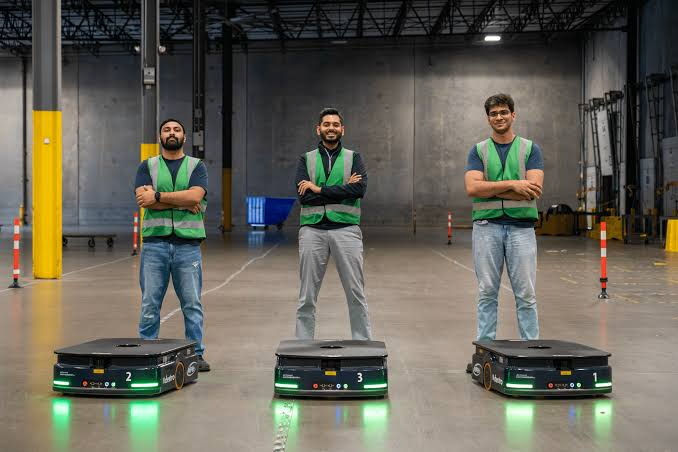
This is the cleanest example of the pattern. Soul Machines does not sell to end consumers. Its defined use cases are sales, advisers, support and services, the functions that already sit inside AppDirect's business customers. AppDirect is not buying a standalone avatar company and hoping to find buyers. It is buying capability it can drop into an existing marketplace and channel.

As more organizations move beyond experimenting with AI, the reported rationale goes, they want ways to use it in customer-facing work. AppDirect's answer is to own the avatar layer and distribute it through its platform rather than send customers to a separate vendor.

Why the pattern favors US platforms

Each deal competes for the same scarce thing: a route to buyers. Turso gets Supabase's developers. World Labs gets AMD's compute position and its enterprise relationships. Soul Machines gets AppDirect's business customer base.

For US technology companies, that makes platform ownership of the customer relationship the asset that appreciates. Startups with strong models but no channel become acquisition candidates. Startups with a channel can absorb technology and keep pricing power.

For the US market, the near-term read is consolidation of interfaces. A limited set of platforms gains the ability to bundle database, compute-intensive AI and customer-facing AI into one offering. That can simplify buying for enterprises, and it can reduce the number of independent vendors a procurement team has to evaluate.

For US consumers, the effect is indirect and slower. Interactions with sales, support and adviser functions may increasingly be handled by avatar systems owned by a commerce platform rather than a specialist vendor. The consumer may not notice the ownership change, but the operator behind the interaction will have changed.

What to watch

The test of these deals is integration, not announcement. The next signals are whether Supabase folds Turso into its core offering or runs it at arm's length, whether AMD's World Labs model becomes a workload AMD points its own customers toward, and whether AppDirect surfaces Soul Machines avatars inside its existing marketplace for business customers.

Watch pricing and packaging, since bundling is where distribution advantage shows up. Watch whether the all-stock AMD structure holds up relative to its share price through closing. And watch whether more database and AI infrastructure buyers follow the same route, acquiring companies that already have somewhere to land rather than companies that would need a channel built from scratch.

The throughline is simple. In these three deals, the buyer was not paying primarily for what the target had built. It was paying for the fact that the target had somewhere to put it.

More on this beat: Companies on TechManNews.

#Acquisitions#Database#AI#Semiconductors#Enterprise Software

Newsletter

Get Tech News in Your Inbox

The latest AI, gadgets, software and startup stories from TechManNews, delivered every morning - free.