The startup stories landing on this beat in early October 2026 share a single thread: momentum is being manufactured on fixed calendars and in unglamorous operational niches, not in sweeping platform narratives. TechCrunch's two deadline items and a modest warehouse robotics round from SiliconANGLE point to the same underlying condition, in which access to concentrated audiences and the ability to coordinate existing physical infrastructure matter more than the size of a funding headline. For US startups, the practical consequence is that presence and deployment are becoming the scarce assets.
Deadlines as a Distribution Strategy
TechCrunch reported that today, October 2, is the final day to book an exhibit table at TechCrunch Disrupt 2026, which runs October 13 - 15 at San Francisco's Moscone West and is expected to draw more than 10,000 founders, investors, operators and tech leaders. The same outlet reported separately that applications for a Side Event at TechCrunch Founder Summit 2026 close tonight at midnight PT, ahead of a Boston run on November 1 - 7. These are not product stories. They are stories about the narrowing windows through which a startup can buy or earn proximity to the people who fund, staff and buy from them.
The pattern is worth naming because it is structural rather than incidental. A startup that misses the exhibit deadline is not merely late to a conference; it is locked out of a room where roughly 10,000 relevant people will gather over three days in one city. A startup that misses the Side Event application is not merely without a party; it forfeits a slot in a week-long cluster of founder activity in Boston. In both cases, the cost of missing the window is not linear. It is binary. You are in the room or you are not, and the room does not reconvene.
The Small Round That Carries the Bigger Signal
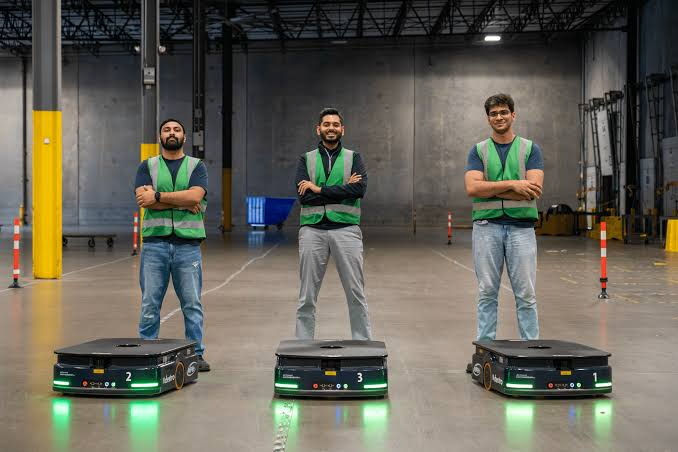
Against those two closing windows, SiliconANGLE reported that Destro AI Inc., a warehouse robotics software startup, raised $8 million to bring its platform for coordinating mixed robot fleets to more enterprise warehouses, with part of the money going to hire more engineers and researchers. Destro's software tells warehouse robots what to do regardless of which company built them.
That detail, as reported, is the substance. The company is not selling a robot. It is selling the coordination layer across robots that already exist in a facility. That is a deliberately unromantic position, and it is the kind of position that has become more fundable as physical operations accumulate heterogeneous equipment. An $8 million round is small by the standards of the largest venture headlines, but it maps cleanly onto a real purchasing decision inside an enterprise warehouse: how to make machines from different vendors work as one fleet without replacing them.
Read alongside the event deadline items, the round suggests where startup traction is actually being won. The exhibit floor and the Side Event circuit exist to surface companies to a concentrated audience. The Destro round shows the other half of the same funnel at work: a software company raising a modest sum to do a specific, operational job for enterprise customers. One side is attention acquisition. The other is deployment. Both are calendar- and access-constrained.
What This Means for US Startups
For US technology companies, the two-part thread produces an awkward set of priorities. The first is that capital-efficient software positions in operational categories remain fundable at the smaller end. An $8 million raise to hire engineers and researchers, as reported by SiliconANGLE, is not a signal of a frothy market. It is a signal that a company can raise on a concrete integration problem inside warehouses that already contain mixed robot fleets.