AI Chip Economics Are Outgrowing the Data Center Itself

Photo: Ars Technica

Article

AI Chip Economics Are Outgrowing the Data Center Itself

Amazon's chip sale-leaseback, hyperscale backlash, and camouflage design all point to the same shift: AI hardware costs are being pushed off balance sheets and out of sight.

ManishankarOctober 3, 20265 min read

The AI hardware boom is entering a phase where the chips matter less than who owns them and who has to live beside them. Across three recent stories, the same pattern appears: the physical and financial footprint of AI infrastructure has grown so large that companies are restructuring how they hold it and how they present it. Amazon is reportedly moving $8 billion of AI chips off its books, data centers are being camouflaged or rejected in American towns, and even efforts to address community concerns are generating fresh criticism.

The Chip Sale-Leaseback Signal

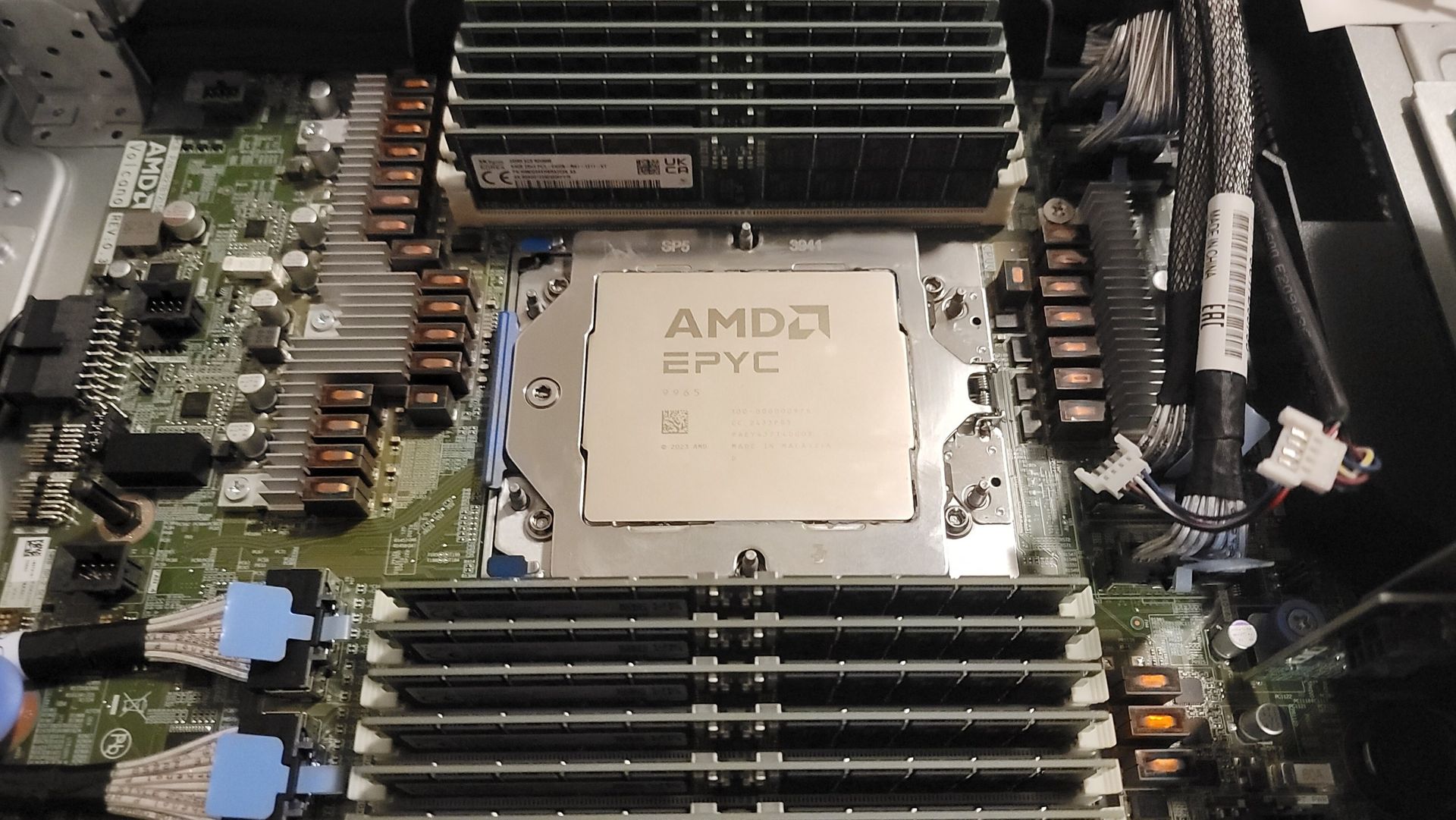
The most revealing story is Amazon's reported plan to offload $8 billion worth of AI chips and lease them back, as SiliconANGLE reported. The transaction would involve a special purpose vehicle, or SPV, a legal entity enterprises use to optimize the administrative aspects of large deals. On its face, this is a financing maneuver. But it reflects something deeper about the economics of AI hardware: the capital intensity of owning cutting-edge accelerators has reached a point where even the largest cloud providers are exploring ways to keep them off their balance sheets. For US technology companies, this matters because it changes the incentive structure. If chips can be sold and leased back, the pressure to depreciate them over a fixed schedule eases, and the risk of owning obsolete hardware is shared with other parties. That could make it easier to keep buying at scale, but it also introduces new financial complexity and new counterparties into the AI supply chain. The chips themselves do not change, but who holds the residual value does.

The Backlash Is Now a Budget Line

Amazon's $1 billion plan to combat data center backlash drew more backlash, as Ars Technica reported, with the company praised for ending NDAs but slammed for downplaying data center pollution. This is a telling moment. A company is spending real money to manage community opposition, and the response shows that spending alone does not resolve the underlying dispute. The criticism is not about process anymore; it is about substance. US consumers and local residents are asking what these facilities emit, how much water they consume, and what happens to the land around them. For US technology companies, the lesson is that data center siting is no longer a permitting formality. It is a reputational and political risk that can slow or block projects, and it is now large enough to warrant nine-figure responses.

Camouflage as Infrastructure Strategy

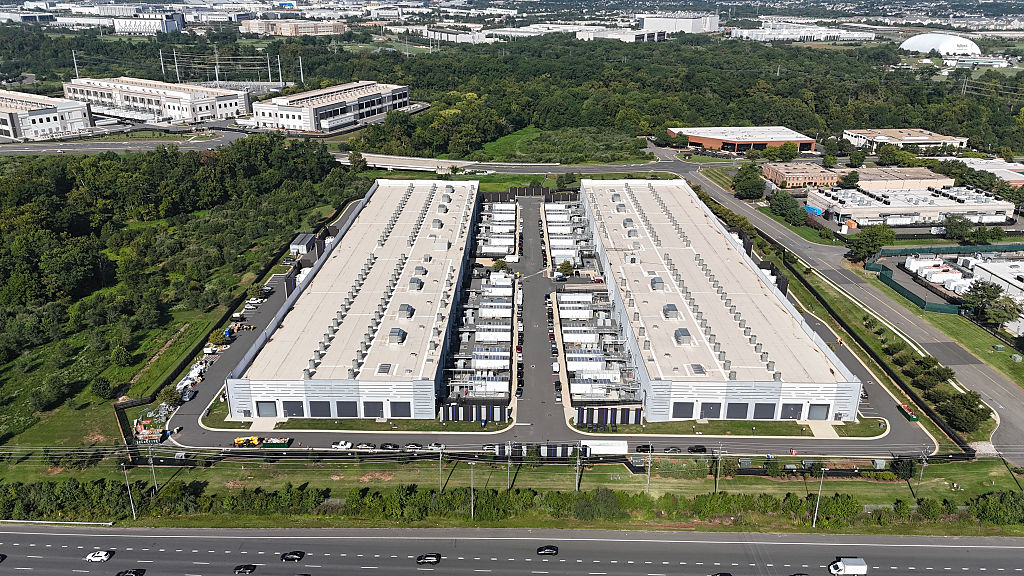
The Verge reported on San Antonio City Councilmember Ric Galvan, who remembers when data centers first arrived in his city in the 2000s looking like relatively unassuming office buildings. That has changed as data centers have grown into massive hyperscale facilities spanning millions of square feet and housing the physical infrastructure for AI. The story's framing, asking whether a data center camouflaged in the woods will draw less hate, captures a real shift. The industry is moving from visibility to concealment, not because the facilities are smaller but because they are larger. When a building's physical presence becomes a political liability, design and landscaping become tools of acceptance. For US consumers, this means the AI boom may be less visible in their communities even as it consumes more land, more power, and more water. The infrastructure does not disappear; it is just harder to see.


What This Means for US AI Hardware

Taken together, these stories describe a hardware economy that is maturing in an uncomfortable direction. The chips are more expensive to own, so ownership is being restructured. The facilities are larger and more controversial, so they are being hidden or defended with corporate spending. The backlash is more sophisticated, so process concessions like ending NDAs are not enough. For US technology companies, the strategic implication is that AI hardware leadership is no longer only about performance per chip. It is about financial engineering, community relations, and land use. A company that can build the fastest cluster but cannot site it or finance it competitively will find itself at a disadvantage. For the US market, this raises questions about whether the current pace of AI infrastructure buildout is sustainable if every new facility carries a growing political and financial overhead. For US consumers, the benefits of AI may arrive alongside local costs that are harder to attribute and harder to contest.

The Ownership Question Goes Public

The sale-leaseback report and the backlash stories are connected by more than timing. Both are responses to the same underlying problem: AI hardware has become so capital-intensive that companies are looking for ways to externalize parts of the burden. In the financial case, the burden is depreciation and obsolescence risk. In the community case, the burden is pollution, land use, and local opposition. In both cases, the trend is toward pushing costs and risks to other parties, whether that is an SPV, a landlord, or a host community. That is a rational response to scale, but it is also a signal that the industry's current model of owning and operating everything itself is under strain.

What to Watch

Three things to watch, grounded in what these stories actually say. First, whether more AI chip sale-leaseback deals follow Amazon's reported $8 billion transaction, as SiliconANGLE reported, which would indicate that off-balance-sheet hardware ownership is becoming standard rather than exceptional. Second, whether Amazon's $1 billion anti-backlash effort changes anything on the ground, or whether the criticism reported by Ars Technica continues to mount. Third, whether the camouflage approach described by The Verge in San Antonio spreads to other cities, and whether concealment reduces opposition or simply delays it. The common thread is that AI hardware is now big enough that its financial and physical presence cannot be separated from its technical performance. The next phase of the boom will be shaped as much by balance sheets and city councils as by silicon.

Sources

  • Ars Technica: Amazon's $1B plan to combat data center backlash draws more backlash
  • The Verge: If a data center is camouflaged in the woods, will anyone hate it?
  • SiliconANGLE: Report: Amazon to offload $8B worth of AI chips, lease them back

More on this beat: Hardware on TechManNews.

#AI hardware#data centers#Amazon#GPU economics#hyperscale

Newsletter

Get Tech News in Your Inbox

The latest AI, gadgets, software and startup stories from TechManNews, delivered every morning - free.