📣

Advertisement

Google Ad - 970×90 Leaderboard  TOP_LEADERBOARD_4

Big Tech’s Consolidation Era Survives Antitrust Pushback

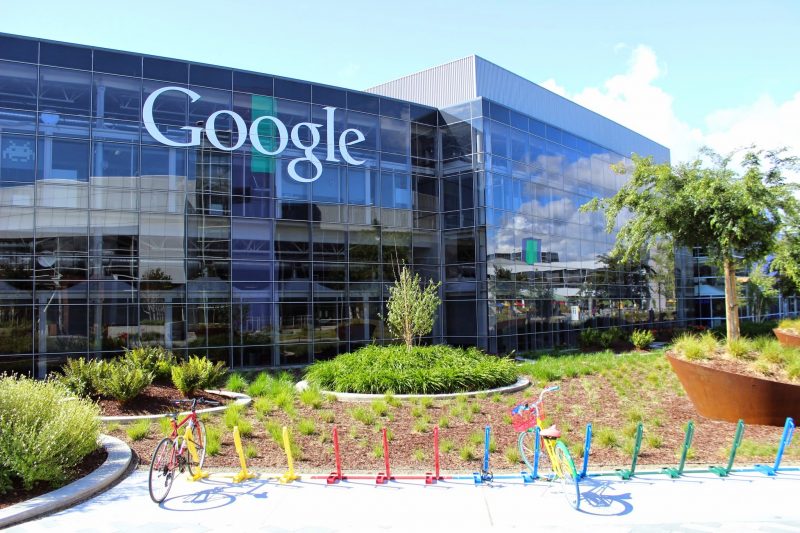
Photo: TechCrunch

Article

Big Tech’s Consolidation Era Survives Antitrust Pushback

A court rejecting Google’s ad breakup and Uber’s Delivery Hero bid reveal a market where scale wins and regulators retreat.

Arjun NairSeptember 3, 20266 min read
📣

Advertisement

Google Ad - 970×90 Leaderboard  TOP_LEADERBOARD_4

The thread: scale is winning again

The past two days on the Companies desk carry a single, quiet signal: the biggest technology platforms are consolidating power, and the legal and financial systems are now prepared to let them. A federal court declined to break up Google’s advertising business, as SiliconANGLE reported, and Uber moved to buy Delivery Hero for $15 billion, as TechCrunch reported. These are not isolated events. They are two sides of the same coin: antitrust enforcement has hit its practical limit, and capital markets are rewarding size over fragmentation. For US technology companies and consumers, the message is that the era of forced disaggregation is over, at least for now, and the era of “too big to break” has returned.

The Google ruling resets the antitrust baseline

The most consequential fact in this pattern is the federal court’s rejection of the Justice Department’s proposal to break up Google’s ad business. As SiliconANGLE reported, the ruling came in a case that began with a January 2023 lawsuit from the Justice Department and several state attorneys general over Google’s display advertising unit. Engadget noted that a judge had previously determined Google illegally monopolized a pair of ad tech markets. That earlier finding implied a structural remedy - divestiture - was possible. The court’s refusal to follow through, however, establishes a new precedent: even when a platform is found to have broken the law, breakup is not the default answer.

For US technology companies, this is a dramatic shift in risk assessment. For three years, the ad tech lawsuit cast a shadow over any company with a dominant exchange or ad server. The threat of a court-ordered sale hung over Google’s ad stack and, by extension, over any other large platform that might face similar challenges. Now that threat is gone. The ruling does not erase the finding of illegality, but it removes the most feared punishment. For US consumers, the practical effect is less clear. They may never see lower ad prices or new entrants in the ad exchange market. Instead, they will continue to see the same Google-run infrastructure that the court found unlawful - but now with a judicial stamp that says Congress and the market, not the courts, must craft a remedy.

Uber’s bid shows capital is chasing consolidation

The Delivery Hero story reinforces the same thesis from a different direction. TechCrunch reported that Delivery Hero’s board has backed Uber’s $15 billion takeover bid. If approved, the combined company would become one of the largest food delivery platforms in the world. That is not a defensive merger or a distressed sale. It is a strategic bet that global delivery needs fewer, larger players. Uber already operates in a vast number of markets. Adding Delivery Hero would consolidate major European and Middle Eastern operations into a single network. For US investors, the deal signals that public market capital remains available for mega-mergers in platform businesses, even as regulators in Brussels and Washington talk tough.

The delivery sector has long been unprofitable at scale, with high fixed costs for logistics, driver networks, and customer acquisition. The standard economic argument is that consolidation reduces waste and eventually permits pricing power. But for US consumers who use Uber Eats, the near-term effect is likely to be higher fees and fewer independent restaurant choices if the combined entity controls more of the local market. Delivery Hero operates primarily outside the US, so the direct US consumer impact may be limited. Still, the indirect message is clear: the largest players believe the future belongs to those who buy rather than build. That mentality, if it spreads, could trigger a new wave of merger activity across food, grocery, and logistics tech.

Advertisement

📣

728x90

MID_CONTENT_2

The Wonderful fundraising sits inside the pattern

At first glance, Wonderful’s $5 billion valuation seems like the opposite of consolidation. As TechCrunch reported, the company more than doubled its valuation to $5 billion in under six months, after a $550 million Series C led by Insight Partners with participation from Salesforce, Index Ventures, IVP, Vine Ventures, 9Yards, and Bessemer. That is a venture-scale success story, not a merger. But the pattern is not about the absence of startups. It is about what kind of startups get capital and at what speed.

Wonderful’s rapid doubling suggests that investors are willing to pay premium prices for a company that can demonstrate a defensible niche - perhaps in AI-enabled services or vertical software - before a larger platform absorbs it. In a market where Google keeps its ad exchange and Uber swallows Delivery Hero, the rational move for a VC-backed startup is to grow fast enough to become an acquisition target, not to aim for an independent IPO that would face the same antitrust scrutiny that failed to break up Google. The participation of Salesforce, a large enterprise platform, in the round hints that strategic investors see Wonderful as a piece of a larger puzzle. The funding is not a counter-example to consolidation; it is fuel for the next round of it.

Why the US market is the center of gravity

These three stories all touch US companies or US investors. Google is a US company; the ruling was issued in a US federal court. Uber is US-based, and its bid for Delivery Hero, while global, will be financed by US capital markets. Wonderful is presumably US-centric given its investor list, which is full of US venture funds. That geographic concentration matters. The US legal system just declined to impose a breakup on a dominant platform. The US equity markets are signaling they will fund large takeovers. US venture funds are pouring hundreds of millions into companies that hope to scale quickly. Taken together, these events describe a US technology economy where the competitive horizon is not a more fragmented landscape but a more concentrated one.

For US consumers, this means fewer choices in the long tail of digital services. The antitrust system, as demonstrated by the Google ruling, is more comfortable fining or regulating behavior than restructuring ownership. That approach leaves market power intact. Consumers may see some behavioral remedies, such as changes to how ads are auctioned, but they will not see new owners for the ad exchange. On the delivery side, a merged Uber - Delivery Hero would not directly raise prices in most US cities because Delivery Hero’s footprint is largely outside North America, but the precedent of a $15 billion food delivery merger will encourage US-based rivals to seek similar scale. Over time, that drives the number of independent platforms down.

What remains genuinely uncertain

The most honest reading of the past two days is that the structural era of antitrust is in retreat, but the behavioral era is not dead. The court declined to break up Google, but it did not overturn the earlier finding of illegal monopolization. That finding leaves room for conduct remedies, licensing requirements, or interoperability mandates. Engadget’s report notes the judge previously determined Google illegally monopolized a pair of ad tech markets; that conclusion still stands. The practical question is whether the Justice Department appeals this ruling or shifts to a different remedy. The direct quote is not available, but the court’s logic appears to favor targeted fixes over structural surgery. For Uber, the Delivery Hero deal is not final. Regulatory approvals in multiple jurisdictions could still fail, and antitrust authorities in Europe have shown a willingness to block large deals. The board’s backing is a strong signal, but not a guarantee of closing.

The thing to watch is not whether Google’s ad business remains intact - it will, at least for the next several years. The more telling signal will be how other large platforms react. If Microsoft, Amazon, or Meta see that the courts will not break up a convicted monopolist, they may feel emboldened to acquire smaller competitors. Similarly, if the Uber - Delivery Hero deal closes without major concessions, other food delivery players - DoorDash, Grubhub, and others - may pursue their own mergers. The pattern these stories reveal is that the cost of being dominant has fallen, while the cost of being small has risen. For US consumers, the next few years will show whether that trade-off produces better services and lower prices, or simply larger gatekeepers. The court’s ruling did not answer that question. It only made the question more urgent.

More on this beat: Companies on TechManNews.

Advertisement

📣

728x90

IN_ARTICLE_5

#antitrust#Google#Uber#Delivery Hero#consolidation#tech policy

Newsletter

Get Tech News in Your Inbox

The latest AI, gadgets, software and startup stories from TechManNews, delivered every morning - free.