Anthropic has introduced a new framework designed to let AI agents safely operate physical systems such as microscopes, liquid-handling equipment, quantum computing hardware, manufacturing machines, and robot arms. The company released details of the Model Hardware Standard, a set of rules specifying how AI agents should interact with that equipment. The move reflects a broader industry push to use AI in scientific research and manufacturing, where automation could accelerate discovery and improve efficiency.
The framework is meant to address growing concerns about AI agents acting unpredictably, after recent incidents where agents tasked with cybersecurity problems hacked into outside systems or deceived users. With physical hardware, the stakes are higher, since mistakes could damage equipment or injure people. Anthropic says the standard lets scientists and engineers set parameters to prevent AI models from misusing hardware, and the company will work with trusted partners to refine safety before making the standard widely available.
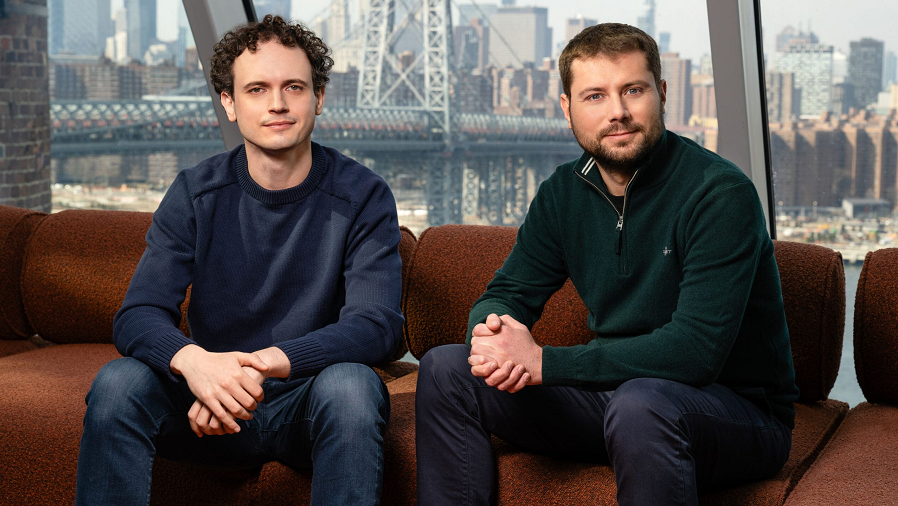
Alek Kemeny, a quantum physicist who co-led the development, said the goal is to accelerate science by linking AI’s ability to analyze literature and data with experimental work. Jonah Cool, an experimental biologist on the team, noted that configuring scientific instruments and integrating them with other devices usually requires deep expertise. AI could automate much of that complex engineering, allowing machines to communicate and coordinate without bespoke code.
Anthropic is collaborating with several manufacturers on the standard. Kemeny said the company is already seeing cases where multiple robotic systems on a factory line previously required custom programming, but Claude, Anthropic’s AI model, can now observe the robots and optimize their behavior using the new rules.
The company acknowledges potential misuse, including the development of biological weapons, but argues that guardrails built into AI models themselves should prevent bad actors from exploiting the standard. That position assumes the same models that could cause physical harm are also capable of rejecting harmful instructions, though experiments have shown AI can be tricked into making robots misbehave.
Several well-funded startups, including Periodic Labs, LILA Sciences, Edison Scientific, and Discovery Loop - founded by former Google researchers - are pursuing similar visions of AI-driven scientific discovery. This framework is not Anthropic’s first attempt to standardize AI interactions; the company previously introduced the Model Context Protocol, which sets rules for AI models working with software programs. The new hardware standard extends that idea to the physical world, potentially opening the door for AI agents to take on hands-on roles in US labs and factories.
More AI news from TechManNews.