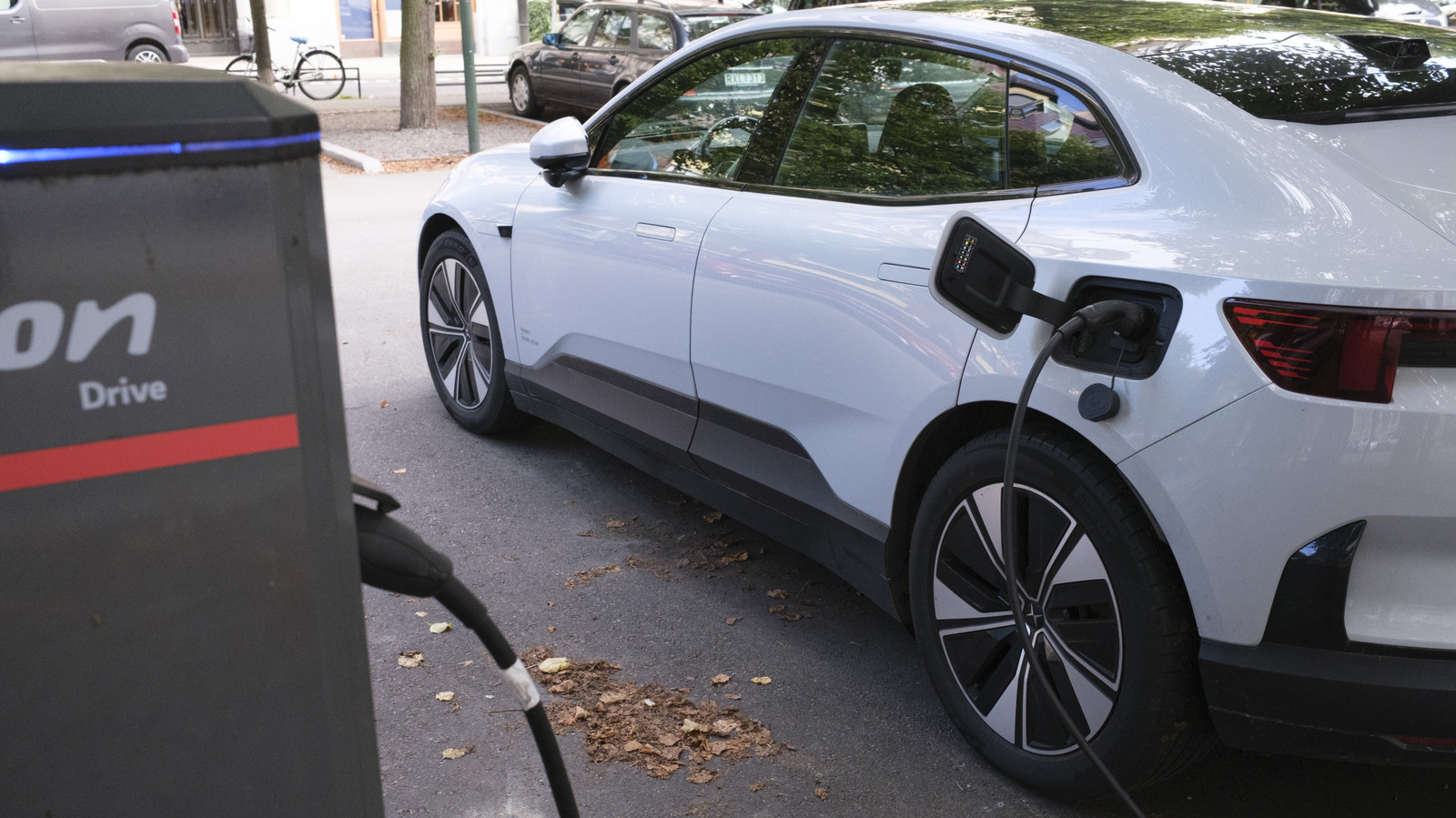
Electric vehicle owners who treat charging casually may be shortening the useful range of their cars over several years, according to guidance on battery care. Dealerships generally do not explain the practices, and the consequences can determine whether a driver completes an intercity trip without stopping. The main variables are the charge percentage a driver targets, the temperature at which charging occurs and how often high-speed Level 3 charging is used.
The simplest habit to change is charging to 100 percent every time. Full charges are sometimes unavoidable, such as at a remote job site or before a cross-country trip, but drivers should first determine which battery their car carries. Lithium iron phosphate (LFP) packs should be fully topped up only about once a week, while nickel manganese cobalt (NMC) systems should generally sit around 80 to 90 percent. Modern EVs and chargers allow fixed percentage caps, so owners do not need to monitor charging on a phone.
When in doubt, keeping the battery between 20 and 80 percent is advised, since running near empty also harms longevity. Holding at 80 percent has a convenience benefit as well: charging is usually throttled sharply beyond that point, so waiting is pointless unless a driver is on a genuinely long trip.
Temperature matters next. Preconditioning a battery before charging in cold weather is already familiar, because frigid conditions make charging inefficient. Charging in high heat, approaching 104 Fahrenheit (40 Celsius), is worse and can actively accelerate degradation, a particular challenge in states such as Texas and Arizona. Workarounds include early morning or overnight sessions, charging in a garage space and letting a car settle after a long trip before plugging in.
Level 3 chargers, also called DC fast chargers, should be avoided unless a driver is on the road, low on charge and cannot wait a few hours for a Level 2 charger. The long-term degradation from Level 3 systems appears minor but is not insignificant, since pumping dozens or hundreds of kilowatts into a battery generates substantial waste heat that an EV can only partly manage.
Driving less aggressively also helps. All EVs have a finite number of full charge cycles from 0 to 100 percent, typically between 1,000 and 2,000, and fewer charging sessions extend operating life and preserve original capacity. Cruise control, speed limits and EV routing options for efficient routes reduce demand. Sheltering a vehicle from the elements matters too, since batteries have an optimal resting temperature and a car near 68 to 86 Fahrenheit (20 to 30 Celsius) spends less energy on preconditioning; shade, a windbreak or a reflective windshield visor can help.
Owners should not stress about occasional exceptions, as EVs are built to be driven and withstand most usage. Charging to 100 percent twice a week will not collapse battery health, and noticeable mileage loss from hard use would take several years to appear.
More hardware news from TechManNews.