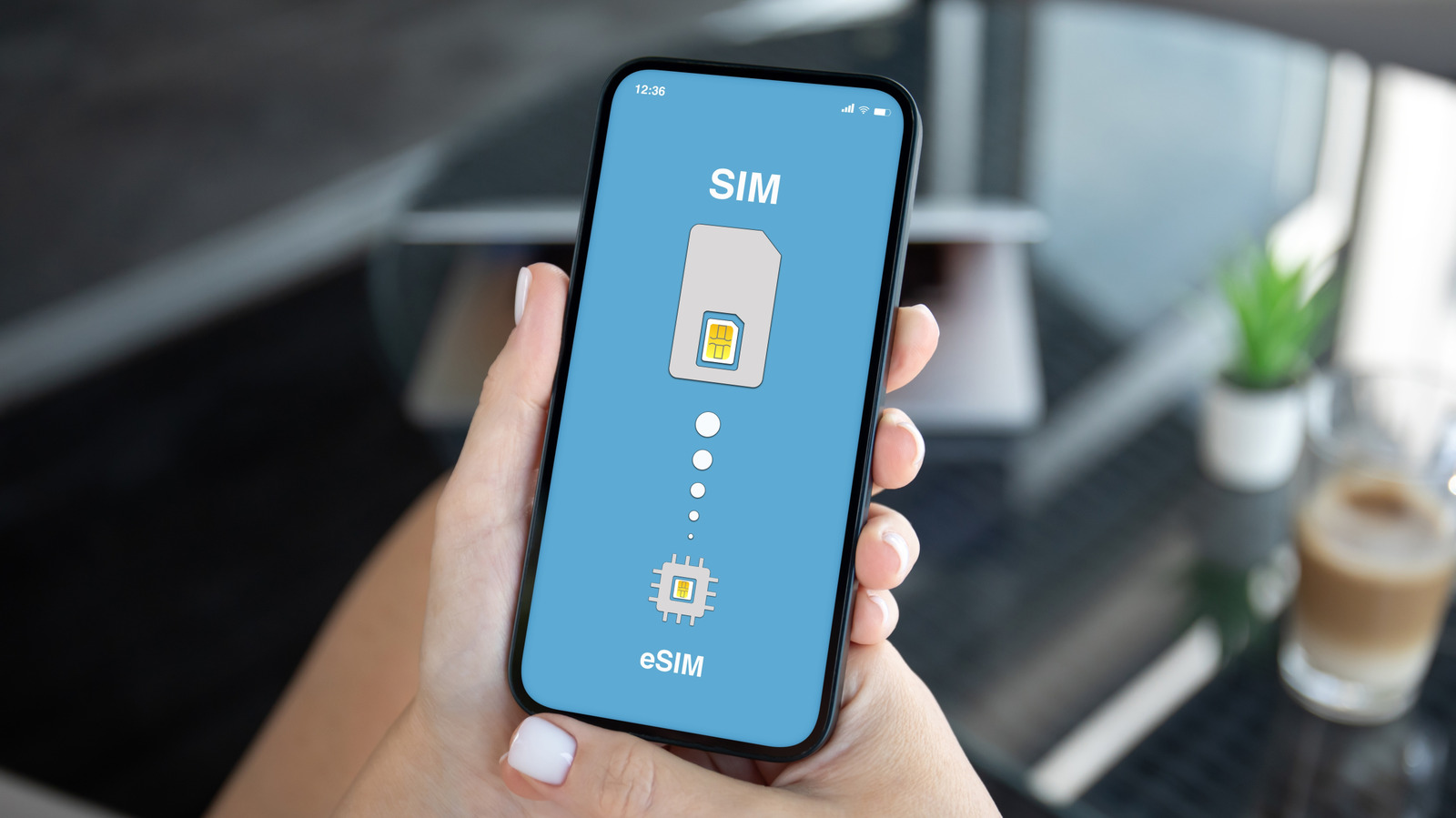
The choice between an eSIM and a physical SIM card does not affect call quality, reception or data speed, according to a comparison of the two formats. Both identify a user's subscription to a mobile network, and the real difference lies in how service is activated and moved between devices. A physical SIM is a removable card, while an eSIM relies on built-in hardware and a carrier profile that is downloaded to the phone.
The main appeal of an eSIM is flexibility and convenience. Device owners do not need to open a side tray or swap a card when they buy a new phone; instead, a supported plan can be activated through an app, a QR code or the handset's settings. Compatible devices can store multiple profiles, which lets users keep work and personal numbers separate without carrying spare SIM cards. An eSIM also removes the wait for a SIM card to ship when starting a new plan, and dropping the SIM slot gives manufacturers more room for larger batteries or other improvements.
For frequent travelers, an unlocked and compatible phone can be loaded with a travel eSIM before a trip, avoiding the search for a retailer selling physical SIMs at the destination. Depending on the plan, that can cost less than roaming with a home carrier, and the travel plan can sit dormant on the phone until the next trip rather than being left behind at home. An eSIM is not automatically the better deal, though; some domestic plans already include international roaming, making a switch largely pointless.
The biggest drawbacks involve compatibility and transferring service. Both the phone and the carrier must support eSIM, and support can vary by model and market. An eSIM cannot get around a carrier lock, so using another provider's plan generally requires an unlocked phone. Opera's free eSIM on Android is cited as a way to test the technology before buying one. Users should check requirements before purchasing a travel plan or assuming an existing number can move to another device.
Moving service between phones can also be more complicated than it should be, depending on the carrier. Apple's eSIM Quick Transfer lets users move service between compatible phones without contacting support, but some carriers require an app, a replacement QR code or help from customer service. Cross-platform transfers are improving, with some iPhones and Android phones now able to transfer eSIMs directly. Travelers are advised to read the fine print, since a carrier may hide roaming fees, and to set the phone to use the travel eSIM for data on arrival; turning off the regular line entirely means no calls or texts on that number.
Physical SIMs remain more widely compatible with older and simpler phones, a benefit for retro-minded younger users and for many seniors who still prefer them, though that is changing. Digital activation does not eliminate account fraud or SIM-swap scams. For phones that support both formats, either option works, and users can keep a physical SIM while running an eSIM for another supported line.
More gadget news from TechManNews.