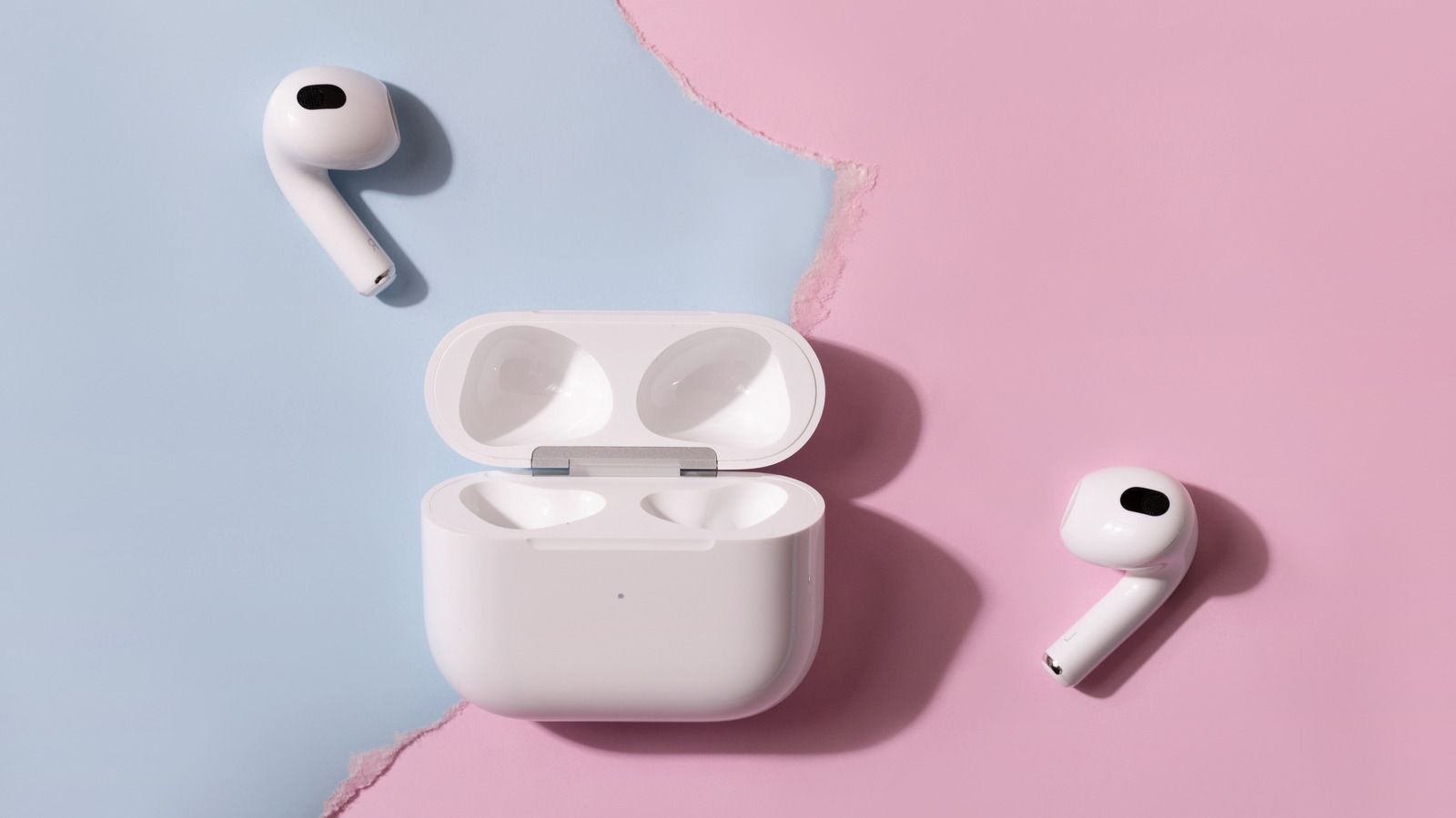
The smartphone stories worth noticing this week are not about hardware. They are about the quiet transfer of control from the device in a user's hand to the account infrastructure behind it. AirPods paired to a Galaxy phone keep working as earbuds but shed nearly everything that makes them Apple products, and Google is tying phone numbers to Android accounts in ways users did not explicitly choose. The pattern is the same: what a phone can do is increasingly decided by whose ecosystem it belongs to and what identity it is carrying, not by what the device itself is capable of.
Capability Now Lives in the Account
Engadget's comparison of AirPods on a Samsung Galaxy phone makes the point cleanly. The earbuds connect over standard Bluetooth, so the basic function survives a platform switch. What does not survive is almost the entire feature set Apple built around them. The hardware is unchanged; the entitlement is not. A pair of AirPods is a fully featured product inside Apple's ecosystem and a generic Bluetooth headset outside it.
That is a deliberate architecture, not an accident of engineering. Apple's differentiation lives in the pairing layer, the account layer and the software layer, and those layers are gated. For US consumers, the practical consequence is that switching phone brands is no longer a decision about one device. It is a decision about a bundle of accessories, settings and habits that may silently lose value the moment the phone changes. The sticker price of a handset understates the real cost of leaving, and the real cost of staying.
The Number as an Identity Key
Engadget's reporting on Google quietly linking phone numbers to other Android accounts describes the same shift from the opposite direction. Adding a new SIM to a phone links that number to all Google accounts on the device, and any new Google accounts added afterward inherit the phone number. The phone number stops being a billing detail and becomes an identity key that propagates across accounts.
For US users this matters because the phone number is already the primary recovery and verification channel for most consumer services. When a carrier-issued identifier is automatically bound to a company's account graph, control over a SIM becomes control over account recovery. Google's approach may well be intended to reduce fraud and simplify sign-in, and the reporting does not establish intent either way. What it establishes is that a decision made at the carrier level now has consequences inside an account system the user may not connect to it.
The Same Logic, Two Companies
Put the two stories side by side and the shared thread is hard to miss. Apple decides which features follow the earbuds based on which account they are paired to. Google decides which accounts a phone number attaches to based on which SIM is in the device. In both cases the phone is a credential carrier, and the meaningful permissions are granted or withheld upstream.
This is a coherent business model, and it is not new. It is worth naming plainly because it changes what shopping for a smartphone in the US actually means. Reviews and spec sheets compare screens, cameras and chips, and Engadget's own review recap shows how much of the beat's coverage is organized around individual product verdicts. Those verdicts remain useful. But the questions that determine long-term satisfaction are increasingly about portability of features and portability of identity, which spec sheets do not capture.