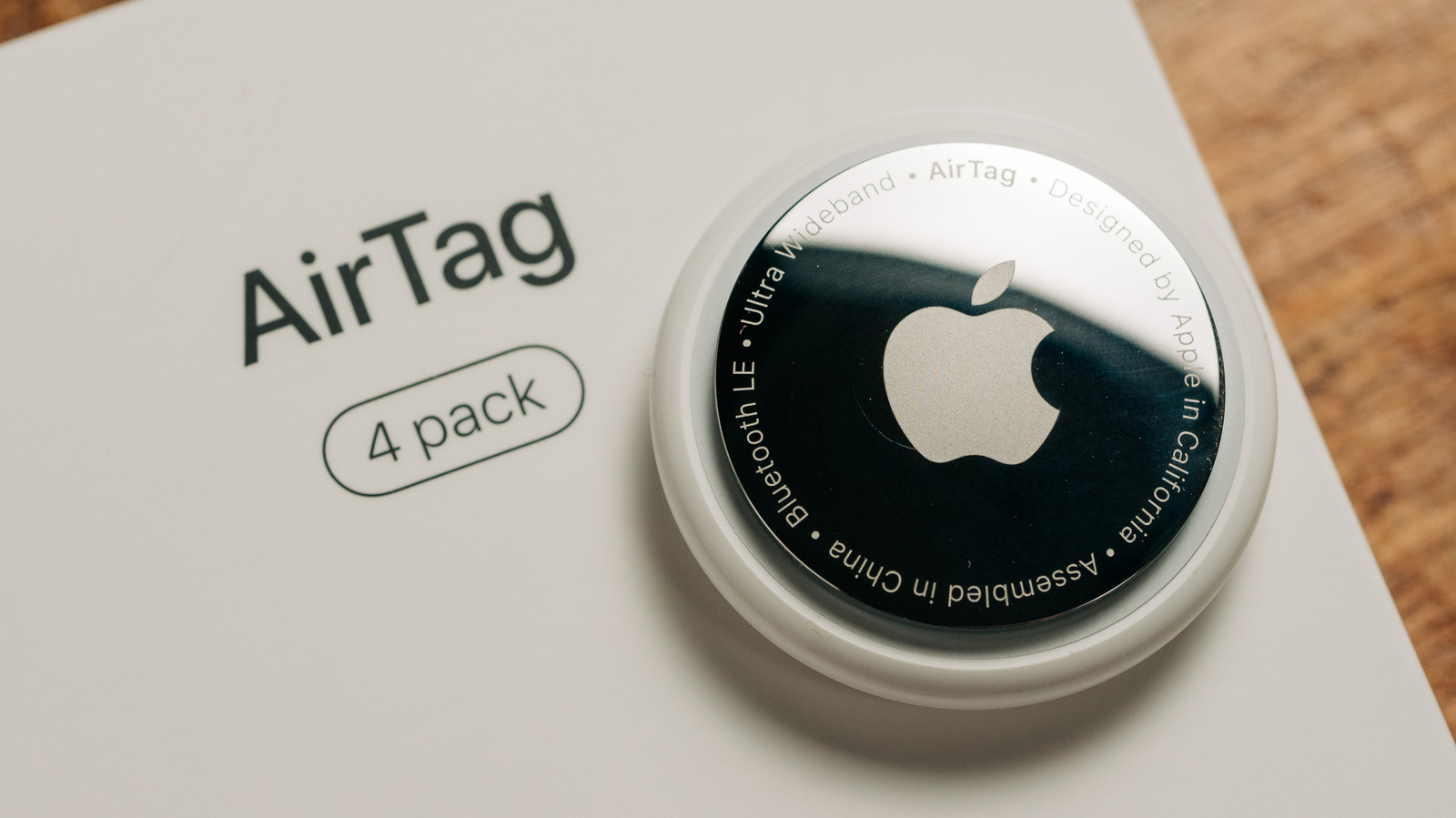
Apple AirTag owners who find their trackers running out of power sooner than expected are not imagining it, according to a report on the device's battery behavior. The coin-cell-powered accessory is rated by Apple to last more than a year, but actual endurance depends heavily on how the AirTag is used, and the second-generation AirTag released this year carries the same battery performance as earlier models. A few simple habits can extend the time between replacements.
Every AirTag runs on a CR2032 coin cell, a 3V lithium battery also common in car key fobs and watches. The batteries are widely available from online retailers and likely at drugstores and supermarkets, and typically cost no more than $1 each. New AirTags ship with a battery already installed. To replace one, the owner presses and twists the steel underside cover until it comes off, removes the old battery, inserts the new one with the positive side facing up, and twists the cover back on. A short sound confirms the AirTag has powered back on.
Apple's one-year estimate generally holds, though heavy use of certain features can cut battery life to a few months. Owners can check battery level in the Find My app's Items tab: an orange battery icon means it is time for a replacement, while no icon appears when the battery is in good condition. Older versions of Find My always displayed a battery indicator, but Apple removed it because it was often inaccurate. When power runs low, the AirTag restricts some features, disabling Precision Finding and sound playback.
Frequent sound alerts are among the biggest drains, since the speaker must fire up repeatedly. Precision Finding also draws more power because it keeps the Ultra Wideband chip communicating in real time with an iPhone or Apple Watch, and repeatedly opening Find My to check on a nearby tag has a similar effect. These features are fine in normal use, but playing with them to see them work can shorten battery life. On low power, an AirTag can last from a few days to weeks or even a month depending on use, and during a trip without a replacement battery, owners should avoid tracking or locating the tag unless necessary.
Battery choice and temperature also matter. Generic CR2032 cells tend to hold less charge, so a well-known brand is recommended; Apple recommends the Duracell 2032 Lithium Coin Battery, though some bitterant-coated CR2032 batteries may not work in an AirTag. Apple rates the AirTag for operation between minus 4 and 140 degrees Fahrenheit, so storage in a car trunk is not advisable. A tag that is constantly moving drains faster because it is always pinging its location, making early battery death in a car-mounted AirTag normal. Setting a reminder a year out at each battery change can help owners avoid a low battery at an inconvenient moment.
More hardware news from TechManNews.