The U.S. Space Force sought launch providers for three future satellite missions and came up empty, with SpaceX declining to bid and no other rocket company stepping forward, according to Politico. Brig. Gen. Eric Zarybnisky, the acting portfolio acquisition executive for the Space Force, said the government and the space industry are experiencing growing pains as demand for rockets rises. He said some issues will need to be worked through as new providers begin flying. SpaceX has been declining to sign new Falcon 9 and Falcon Heavy launch contracts for all kinds of customers.
The three missions were listed through the National Security Space Launch initiative, and two of them belonged to the Space Development Agency, a Space Force branch building a network of hundreds of military satellites in low-Earth orbit for expanded data services and missile warning and tracking. United Launch Alliance and Blue Origin, the other potential providers, are both working through setbacks with their launch vehicles. Zarybnisky said he remains optimistic that both companies will resolve their technical problems and that new competitors will be ready in time.
In Spain, PLD Space says its Miura 5 rocket is nearing final integration ahead of an inaugural launch, Aviation Week reports. CEO Raúl Torres said in an October 19 program update that the company has already manufactured three Miura 5 vehicles, with two of them designed to qualify key system elements. PLD Space now targets a first flight of the small-lift rocket before mid-2027. Torres said building the three vehicles let teams work continuously across production and integration, applying lessons from each qualification campaign to the launch vehicle.
One Miura 5 second stage is now fully integrated to begin system-level testing under representative operating conditions. That stage is at PLD's Teruel test facility for a qualification campaign that includes a wet dress rehearsal and a static hot-fire test.
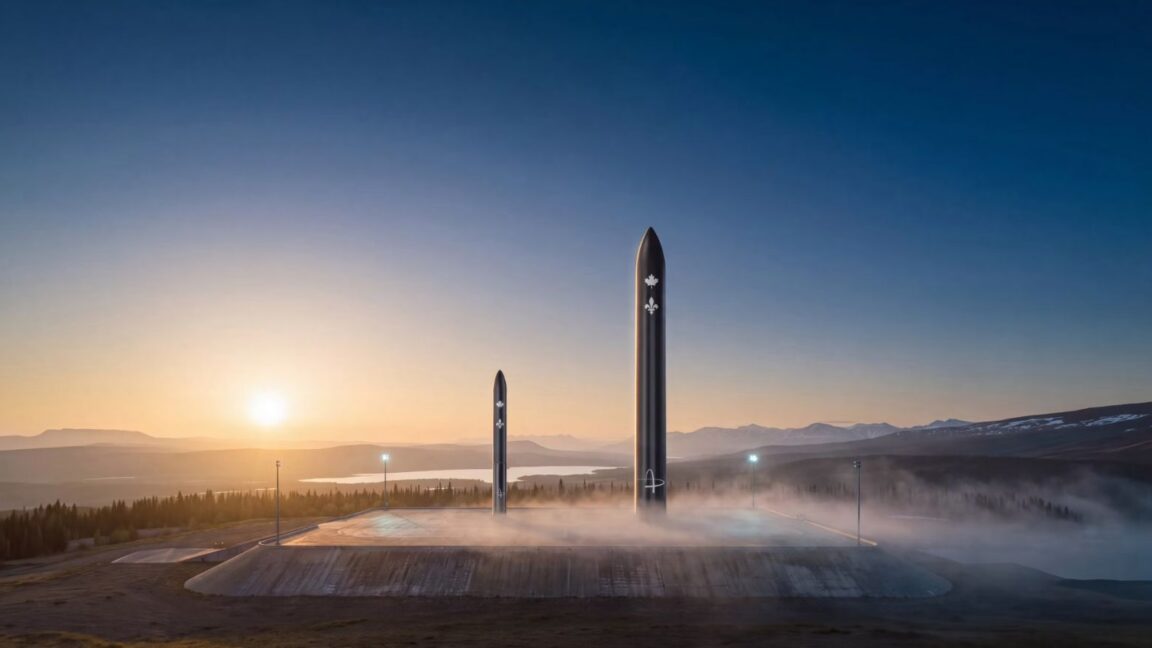
In Canada, Reaction Dynamics said it is seeking to raise $350 million to grow its staff from 68 to more than 350 people, spaceQ reports. The company is developing the small-lift Aurora rocket, which it hopes will reach orbit in 2028, and announced plans for a medium-lift rocket called Borealis with a debut targeted for 2031. Borealis would carry 6 tons to low-Earth orbit, a little under half the advertised payload capacity of Rocket Lab's Neutron. Founder and CEO Bachar Elzein said the company was founded on the belief that Canada should be able to reach orbit on its own terms, with Aurora providing that access in 2028 and Borealis delivering it at scale by 2031.
More technology news from TechManNews.