The three stories logged on this beat share one thread: chips are no longer a procurement line item but an instrument of leverage, wielded by companies and governments alike. Capital, regulation and architecture are being arranged around who controls computing supply. For US technology companies and consumers, the consequences show up as higher capital risk, constrained device supply and a narrowing set of credible chip suppliers.
Capital as leverage
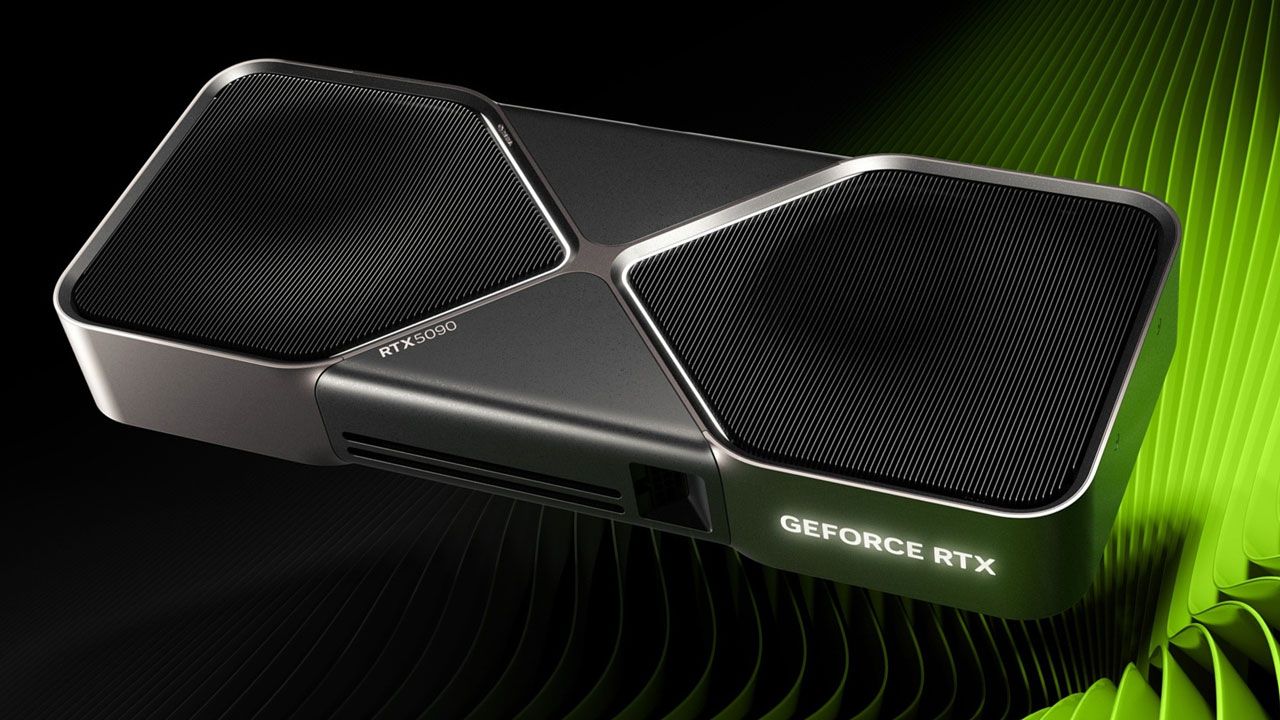
The Verge reports that SpaceX and Tesla have formed special committees to discuss a merger, and that SpaceX's credit risk is high because it is about to borrow another $40 billion to spend on Nvidia chips. That single detail ties the deal chatter directly to the semiconductor beat. A rocket company taking on debt to buy accelerators is not a peripheral story about corporate finance; it is a story about how compute demand is reshaping capital structures across the technology sector.
The Verge also notes that the degree to which the merger is compelling likely depends on the reader's view, a framing that points to a genuine analytical split. On one reading, combining the two firms concentrates access to capital and compute under one corporate roof. On another, it concentrates risk: the same borrowing that funds Nvidia chips becomes a fixed obligation if demand or pricing shifts. The Verge's own characterization of SpaceX's credit risk as high suggests the second reading deserves weight.
For US markets, the implication is that chip purchasing decisions are migrating from operating budgets to balance sheets. When accelerator purchases are financed with debt, semiconductor demand becomes more sensitive to credit conditions. That is a structural change worth tracking, because it means the chip cycle and the credit cycle are becoming harder to separate.
Provenance as leverage
The Verge also reports that on October 13th, FCC Chairman Brendan Carr's agency gave itself a new power: it can block gadgets for containing any computer chip made by any company on its list of potential threats to national security. Today, per The Verge, the commission is exercising that power for the first time, blocking two gadgets because they contain what the FCC calls "foreign surveillance chips."
This is the second form of leverage, and it operates on provenance rather than capital. The mechanism does not regulate performance or price; it regulates origin. Once a chip's maker appears on a national security list, any gadget containing that chip becomes blockable at the border. The first exercise of the power, against two devices, is small in volume but large in precedent.
For US consumers, the near-term effect is straightforward: fewer device models may reach the US market, and those that do may face longer compliance paths. For US technology companies, the effect is a new diligence burden. Component sourcing decisions now carry regulatory risk that did not exist before October 13th, and a chip choice made months earlier can determine whether a finished product clears the FCC.
The open question, given only what The Verge reports, is the scope of the list. The story does not specify which companies are on it or how a gadget is judged to contain a listed chip. Those details will determine whether this remains a narrow tool aimed at a handful of devices or becomes a general screen on imported electronics.
Architecture as leverage
Tom's Hardware reports that Google's TPUs now serve AI in production at Meta, through new open-source engines that run PyTorch models natively on the chips. This is the third form of leverage, and it is the most consequential for the semiconductor beat over time.