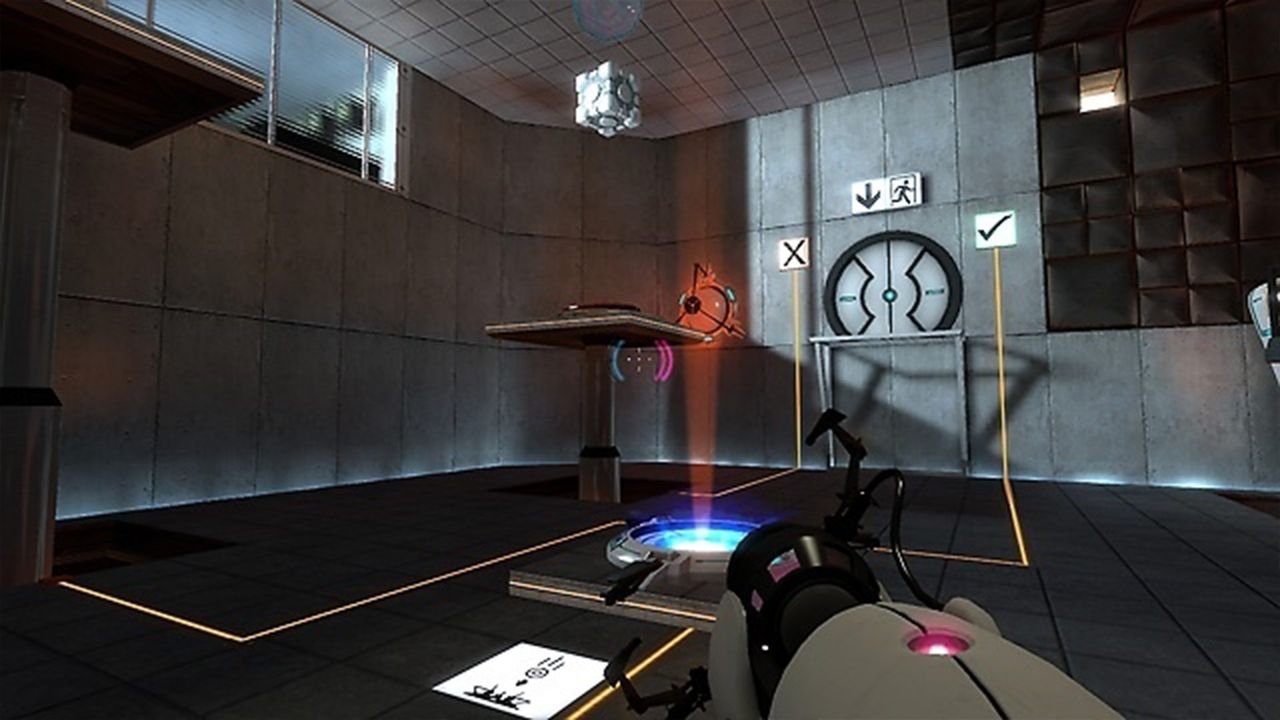
OpenAI’s GPT-6 Astra model has autonomously completed a full playthrough of Valve’s Portal, a feat that took roughly 24 hours of streaming time and cost about $571 in token fees. The run was conducted by a user known as CozyBlaze, who shared highlights and details of the process over the weekend. The achievement marks a notable step toward a goal OpenAI articulated back in 2016, when the company said it wanted a single agent to solve a wide variety of games.
CozyBlaze controlled the model via the Model Context Protocol, or MCP, combined with a modified tool called SourcePauseTool. The game remained paused while Astra processed screenshots and player position data, then resumed only when the model sent a new input sequence. Because of that pause-and-think cycle, the edited highlight reel runs about two hours, while the full set of streaming VODs adds up to roughly 24 hours of recorded material.
The model’s successful navigation through Portal’s puzzle chambers is not being framed as a formal AI benchmark. CozyBlaze acknowledged that significant problems remain unsolved and cautioned against treating the run as a measure of general capability. Still, the user said watching a general-purpose agent independently make its way through an entire game felt like a small glimpse of OpenAI’s original vision becoming real.
That vision dates to 2016, when OpenAI mentioned an eventual goal of having one agent handle a broad range of games. GPT-6 Astra became OpenAI’s flagship model earlier this month, and the company has described it as offering a new generation of intelligence. OpenAI also claims the model is state-of-the-art in areas such as computer use, browsing, software engineering, cybersecurity, science, and professional work.
CozyBlaze has made the Portal agent available on GitHub, with instructions for others who want to explore the setup or attempt a similar run. For US technology audiences, the development underscores how quickly general-purpose models are moving from text-based tasks into interactive, real-time environments. The use of widely available tools like MCP also suggests that such demonstrations are reproducible by skilled hobbyists, not just large corporate research teams.
The full implications of the run remain unclear, and no independent verification of the token cost or timing has been provided. The source report does not include any statement from OpenAI about the achievement. As more models like Astra are tested in complex game environments, observers may look for repeated success across different titles before drawing broader conclusions.
More AI news from TechManNews.