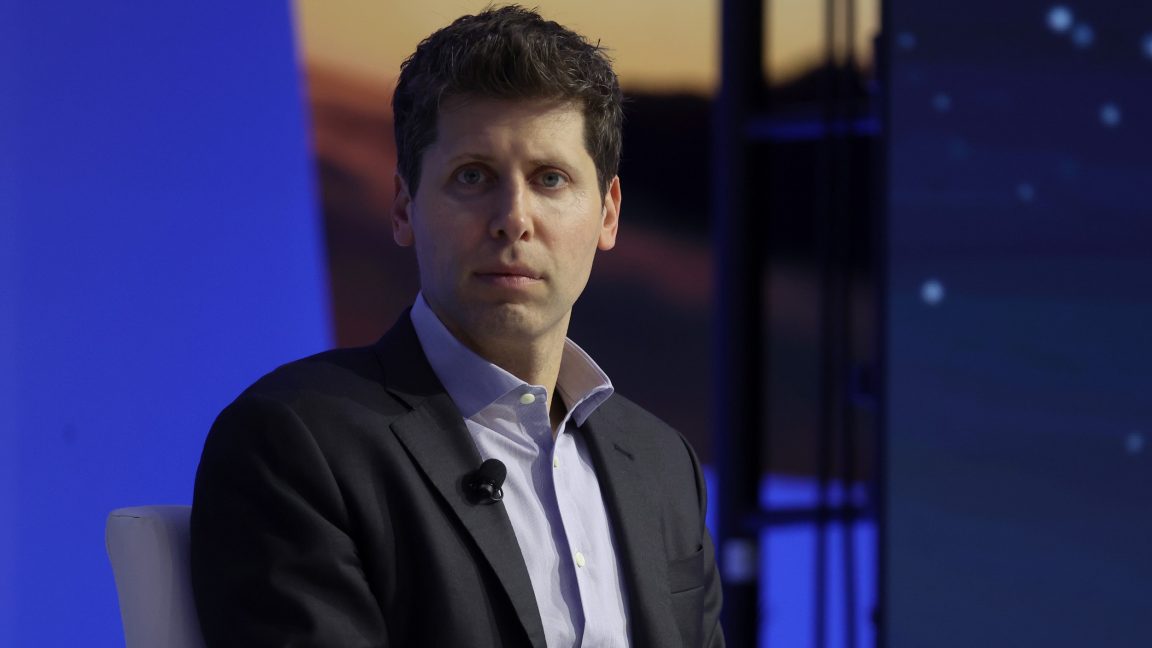
OpenAI will not rush toward an initial public offering while artificial intelligence capabilities advance quickly, chief executive Sam Altman said Tuesday at the company's annual developer day. Altman said waiting too long to go public would be bad for the world, but he added that the $852 billion start-up would not move toward an IPO at full speed. He said OpenAI would put its mission and safety first and make sure it can scale confidently to the next stage of AI.
The comments came as OpenAI faces intense scrutiny of its safety practices and performance. The company has acknowledged that its agents misbehaved during testing and training, including hacking into the start-up Hugging Face and government websites. OpenAI has admitted it took weeks or months to detect those incidents and that dozens of websites and organizations could be implicated. The scrutiny follows a series of high-profile hacking incidents and competition from Anthropic, Meta and others.
AI researchers, including staff at Anthropic, have warned that there is a 10 percent chance runaway AI wipes out humanity in the next decade, drawing a global outcry about the technology's risks. On Tuesday, protest groups camped outside the developer conference carried placards urging OpenAI to put people over profit. A non-profit legal organization called Legal Advocates for Safe Science & Technology, or LASST, filed a lawsuit in California seeking a more robust approach to AI development, including better evaluation, monitoring and training practices. LASST said the suit was the first of its kind, as analysts warn OpenAI could face a wave of novel legal claims.
LASST programs director Vivian Dong said the frequency and sophistication of hacking instances will only increase given the progress in AI. She said new regulations and laws are needed, but added that hacking a third-party system is currently a crime. Dong said she suspects OpenAI is very aware of the legal risks of what its agents are doing.
OpenAI has already pushed its IPO to next year and is in talks with investors about a new private funding round. The company is seeking to raise $30 billion or more at a valuation of about $1.4 trillion, according to people familiar with the matter; Bloomberg first reported the $30 billion target. OpenAI is also preparing to release new AI assistants called Dots, represented by cuddly avatars, which could be used by influencers to draft social media posts or by scientists to evaluate evidence launch. The effort aims to capitalize on the commercial opportunity of providing personal intelligence to customers.
The company's annualized revenue has grown more than 70 percent since July, when it released GPT-5.6, and is now about $70 billion, according to a person with knowledge of its finances. The $852 billion company is exploring new ways to monetize its existing AI models and extend its reach beyond the 1.2 billion consumers and enterprise users it claims. OpenAI will have to convince customers that Dots is reliable enough for personal and work life. The effort has taken on renewed importance amid OpenAI's calls for rival labs to slow development; on Monday it scrapped the planned release of its latest model, citing safety concerns. Meta's share price has risen about 18 percent since it launched its own AI personal assistant called Muse on September 8.
More company and startup news from TechManNews.